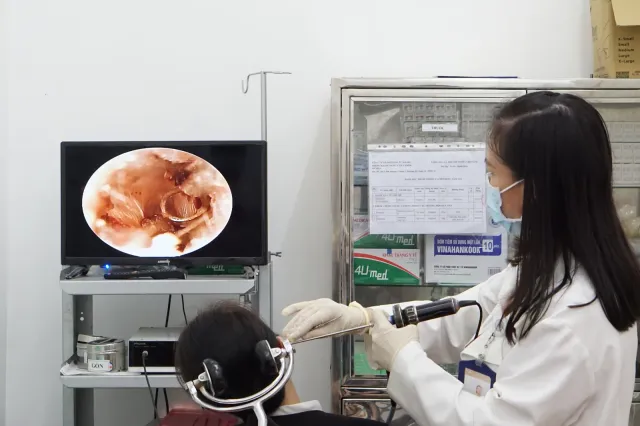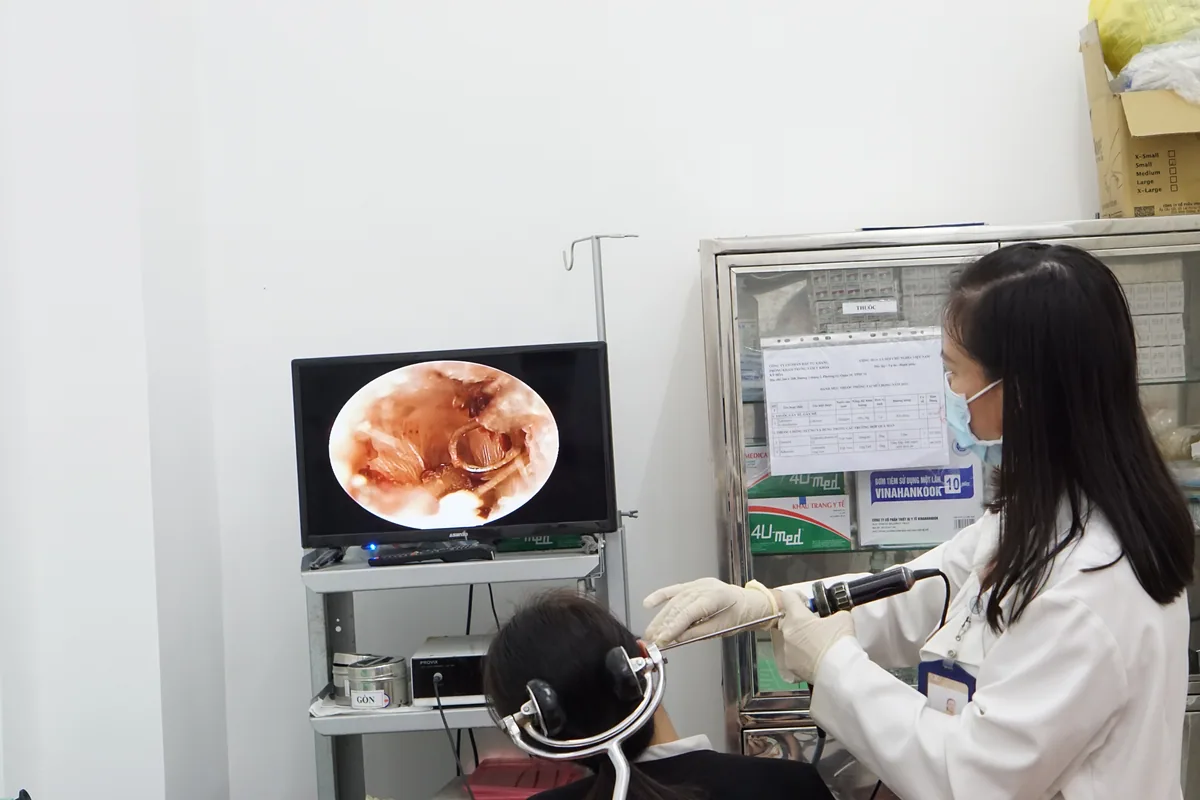

The Ear, Nose and Throat (ENT) Department at Ky Hoa Medical Center handles the examination and treatment of conditions involving the ears, nose, throat, larynx and the head and neck region. Our ENT specialists use endoscopic equipment and specialized instruments for precise examination, helping to detect problems early and treat them effectively - from common acute conditions to chronic conditions that require long-term monitoring.
What ENT examines and handles
- Acute and chronic pharyngitis, tonsillitis, adenoiditis in children
- Allergic rhinitis, acute and chronic sinusitis, nasal polyps
- Otitis media, tinnitus, hearing loss, eustachian tube obstruction
- Hoarseness, laryngitis, vocal cord lesions
- Throat fungus, recurrent granular pharyngitis caused by reflux
- Masses in the throat and neck region requiring assessment and monitoring
When to come for examination
- Sore throat or pharyngitis lasting more than 1 week without improvement
- Chronic nasal congestion, runny nose or a prolonged loss of smell
- Tinnitus, hearing loss in one or both ears, or dizziness of unclear cause
- Hoarseness or loss of voice lasting more than 2 weeks
- Difficulty swallowing, a foreign-body sensation in the throat, or a detected neck mass
Examination process
- Reception and symptom review: Nurses record the main symptoms, how they have progressed and the patient’s ENT medical history.
- Specialist examination: The doctor uses an otoscope, nasal speculum and throat and laryngeal endoscopy to directly observe the relevant structures.
- Ordering investigations: Sinus X-rays, audiometry or laboratory tests when needed to support a more accurate diagnosis.
- Treatment and follow-up: Prescribing appropriate treatment, performing minor procedures if needed (draining ear pus, nasal and sinus irrigation) and scheduling a follow-up to assess the results.
Frequently asked questions
Does chronic sinusitis require surgery? Most chronic sinusitis is treated effectively with medication and nasal and sinus irrigation. Surgery is only considered when medical treatment has been ineffective over a sufficiently long period - the doctor will give specific advice after the examination.
Do children with recurrent tonsillitis need their tonsils removed? Not all cases require tonsil removal. The doctor will assess the number of recurrences per year and the impact on the child’s health and development before making an appropriate recommendation.
Is prolonged tinnitus dangerous? Tinnitus can have many causes, from earwax to auditory nerve damage. A specialist examination is needed to determine the cause and treat it promptly, preventing progressive hearing loss.
Contact the center to confirm information before your visit.
Contact us via hotline, Zalo or email for guidance on timing and the documents to prepare.