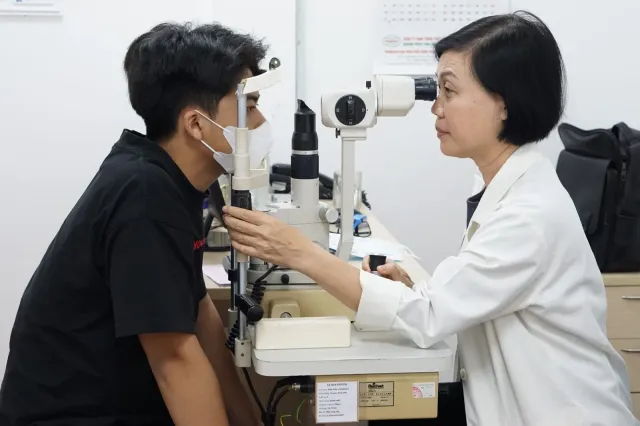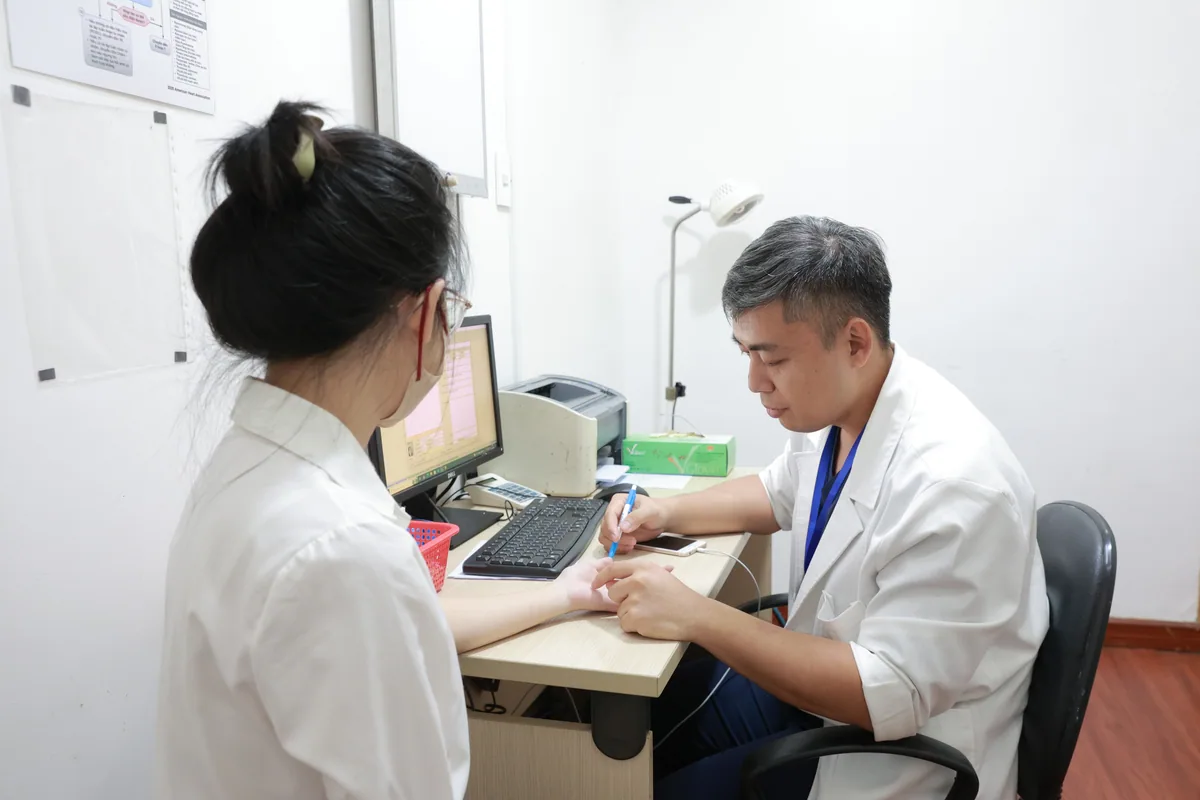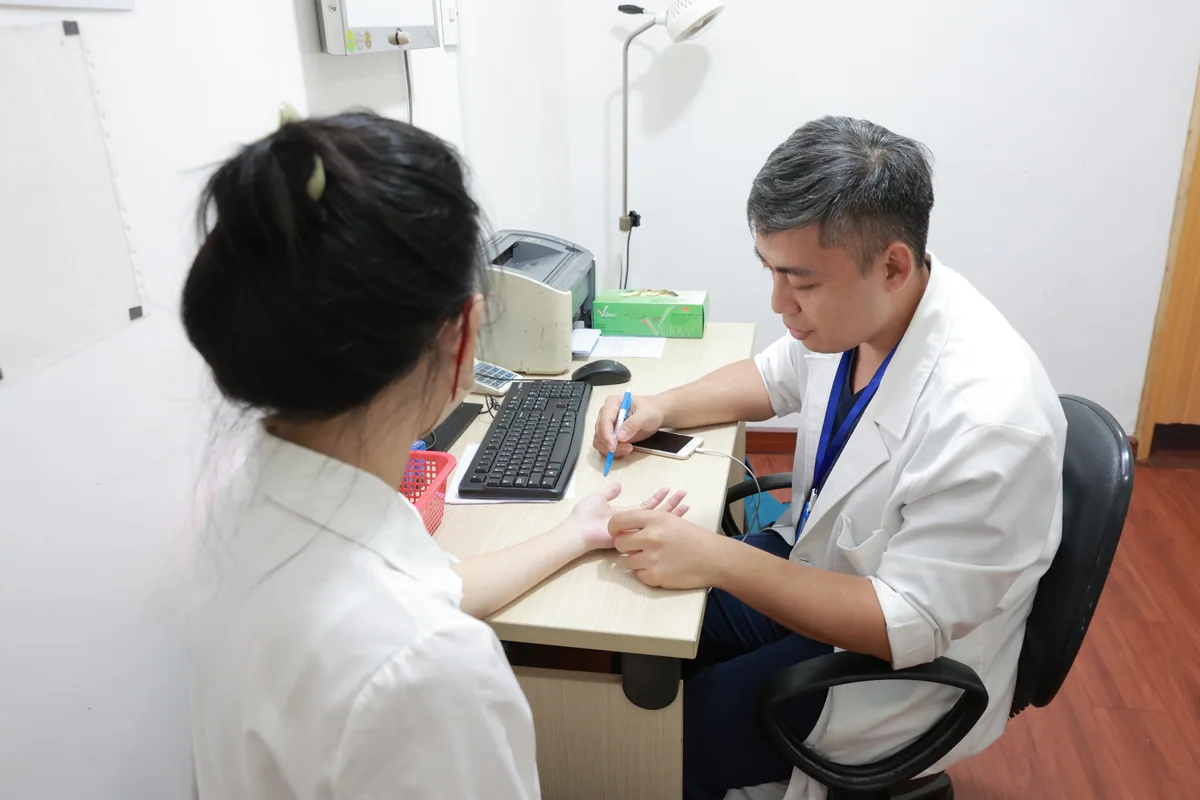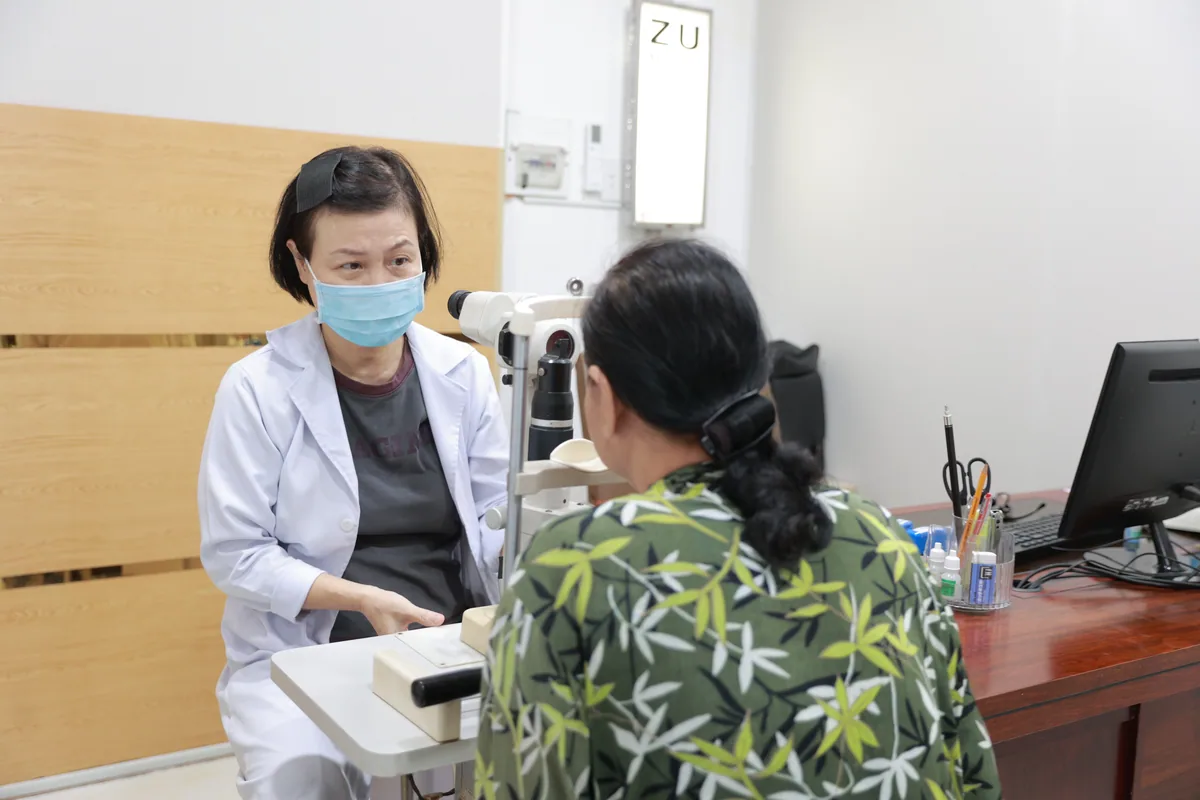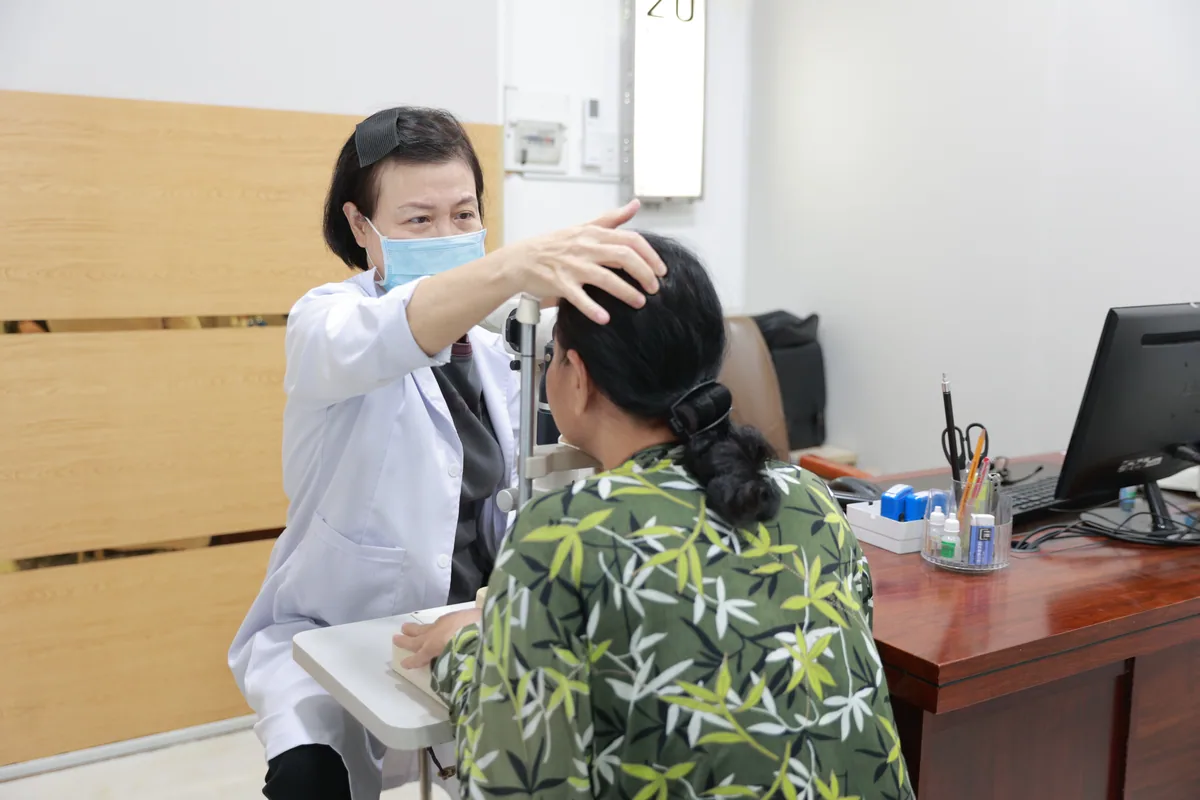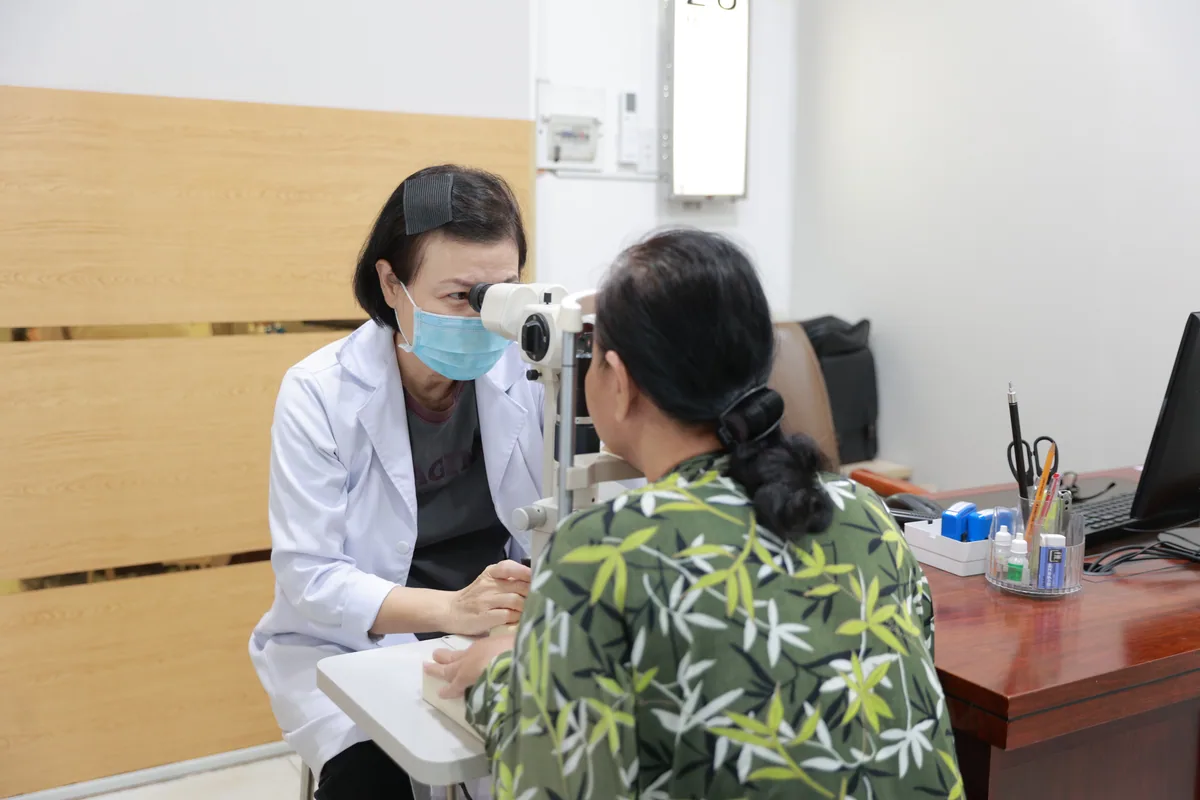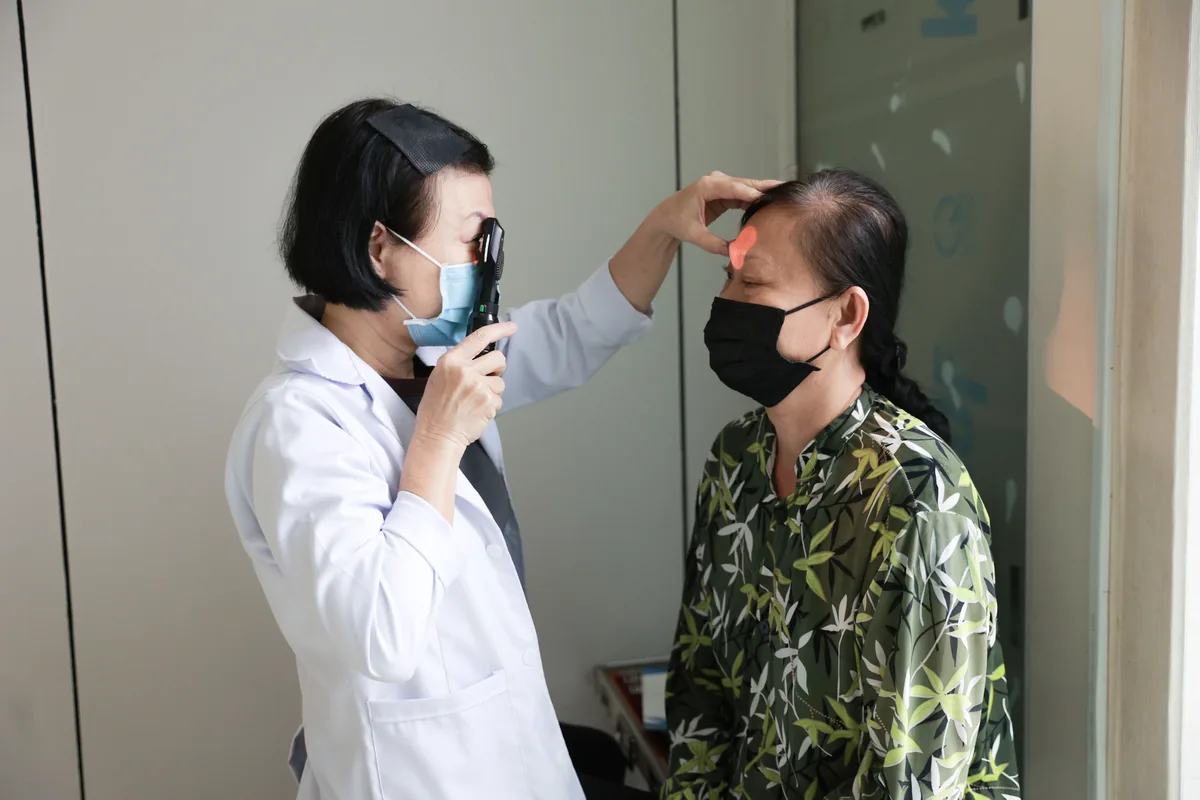

The Ophthalmology Department at Ky Hoa Medical Center provides examination and treatment for common eye conditions in the community. Our ophthalmologists perform comprehensive vision testing, fundus examination, intraocular pressure measurement, and appropriate corrective-lens counseling. Early detection of eye conditions helps prevent complications and protect vision over the long term.
What ophthalmology examines and treats
- Refractive errors: myopia, hyperopia, astigmatism, and presbyopia - examination and corrective-lens counseling
- Conjunctivitis (pink eye) caused by bacteria, viruses, or allergies
- Dry eye, foreign-body sensation, and chronic eye irritation
- Monitoring and initial treatment of glaucoma (elevated intraocular pressure)
- Early-stage cataracts, with counseling and monitoring of progression
- Fundus screening in patients with diabetes or hypertension
When to come in for examination
- Blurred vision, double vision, or a marked decline in vision over a short period
- Red eyes, discharge, itching, burning, or persistent eyelid swelling
- Sudden appearance of dark spots, flashes of light, or a dark curtain across the vision
- Eye-socket pain or unusual sensitivity to light
- Children needing routine vision checks; older adults screening for glaucoma and cataracts
Examination process
- Reception and intake: The nurse records symptoms, eyeglass history, and any history of eye disease, and instills pupil-dilating drops if the doctor has ordered them in advance.
- Vision testing and basic examination: Testing the vision of each eye, measuring intraocular pressure, and a preliminary assessment of the external eye.
- In-depth examination: The doctor performs slit-lamp examination, fundus examination, and a full assessment of the eyeball structures according to the patient's condition.
- Counseling and treatment: Prescribing eye drops, advising on an eyeglass prescription, providing eye-care guidance, and setting an appropriate follow-up schedule.
Frequently asked questions
At what age should a child start having routine eye examinations? A first vision check is recommended before a child enters first grade (around 5–6 years old), with annual check-ups thereafter. This is especially important during the primary-school years, when myopia often appears and progresses rapidly.
Is pink eye contagious, and what precautions are needed? Viral and bacterial pink eye spreads very easily through direct contact. Wash your hands frequently, do not share towels, wear protective glasses, and avoid close contact during treatment.
How often should people with diabetes have their eyes examined? Patients with diabetes should have their eyes examined at least once a year to screen for retinal complications, even when there are no obvious eye symptoms.
Contact the center to confirm this information before your visit.
Contact us by hotline, Zalo, or email for guidance on timing and the documents you need to prepare.