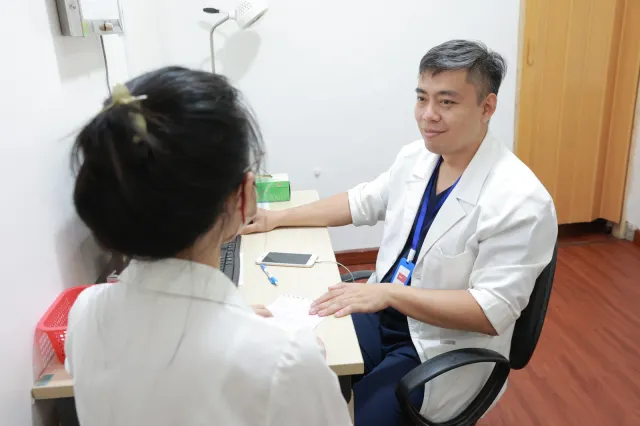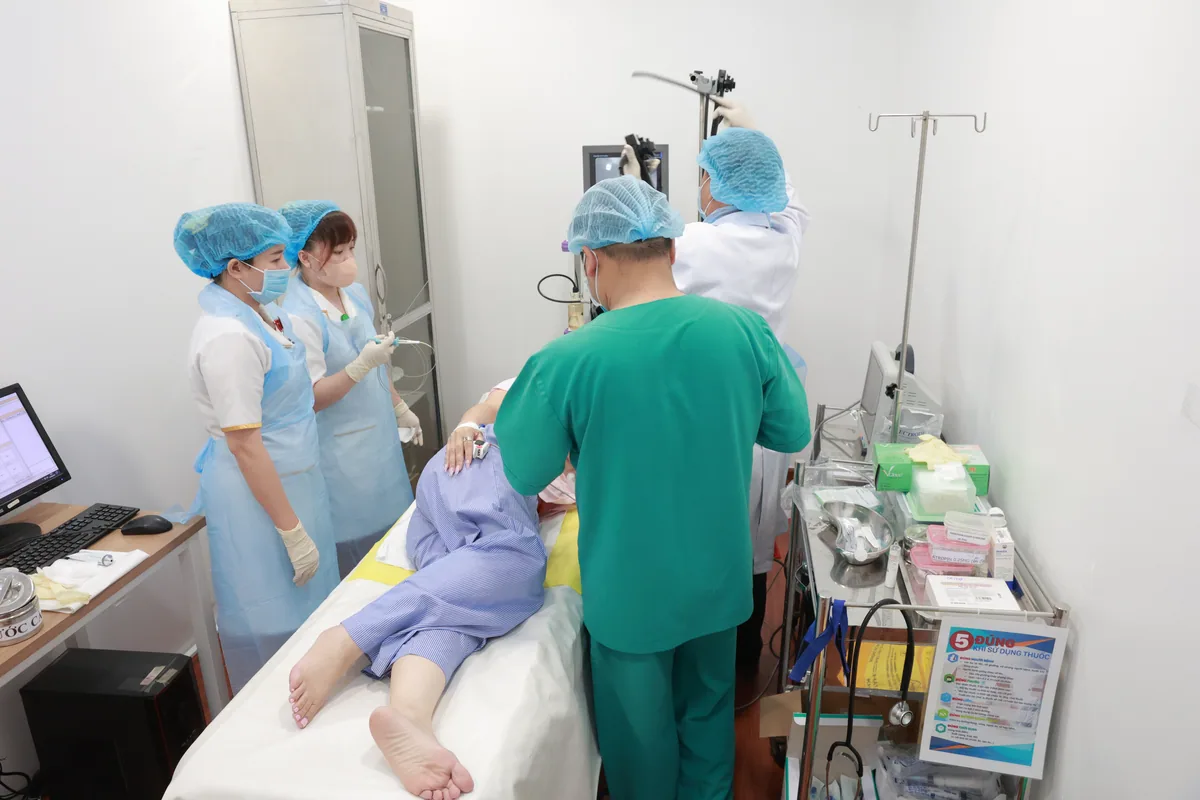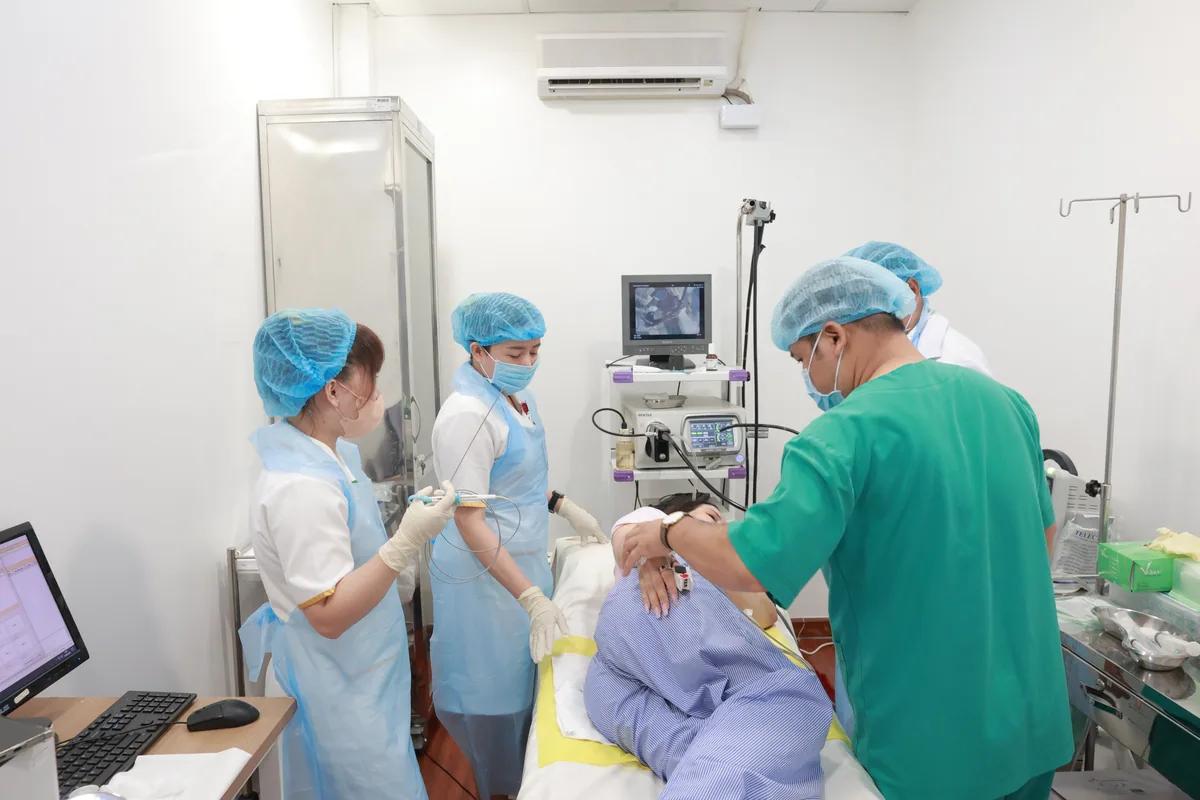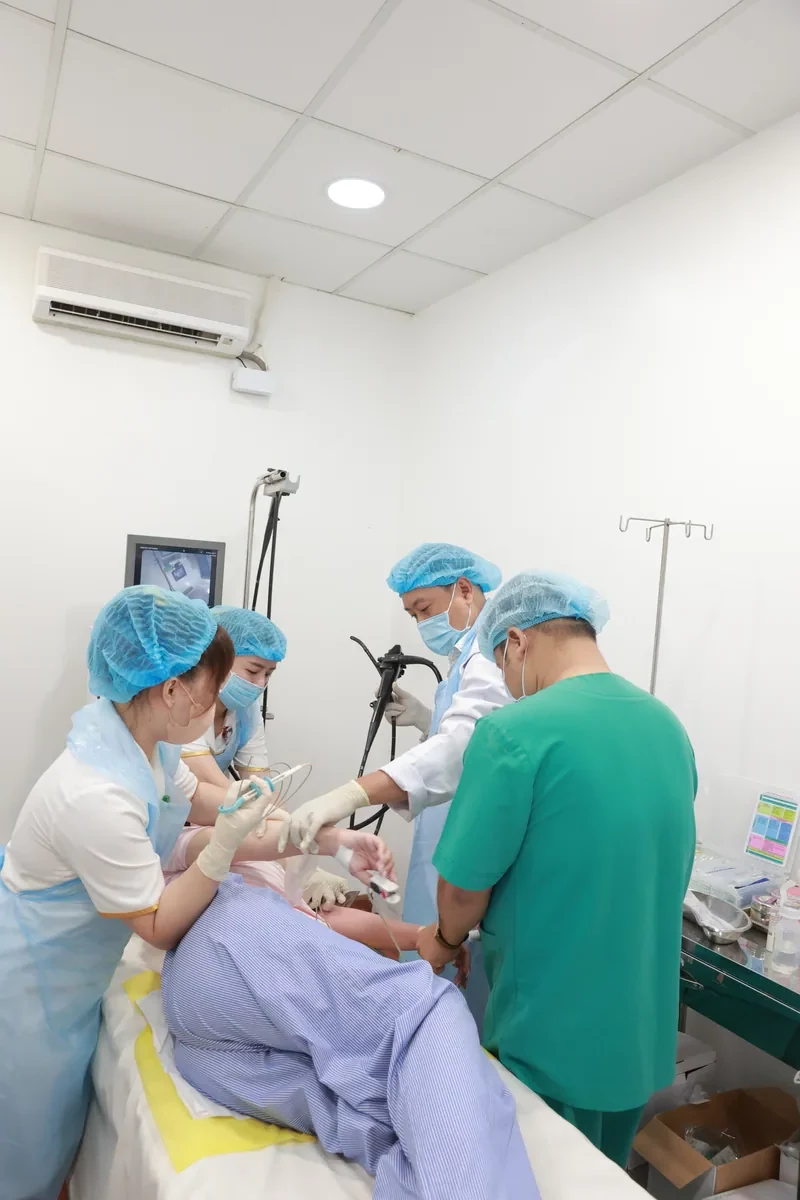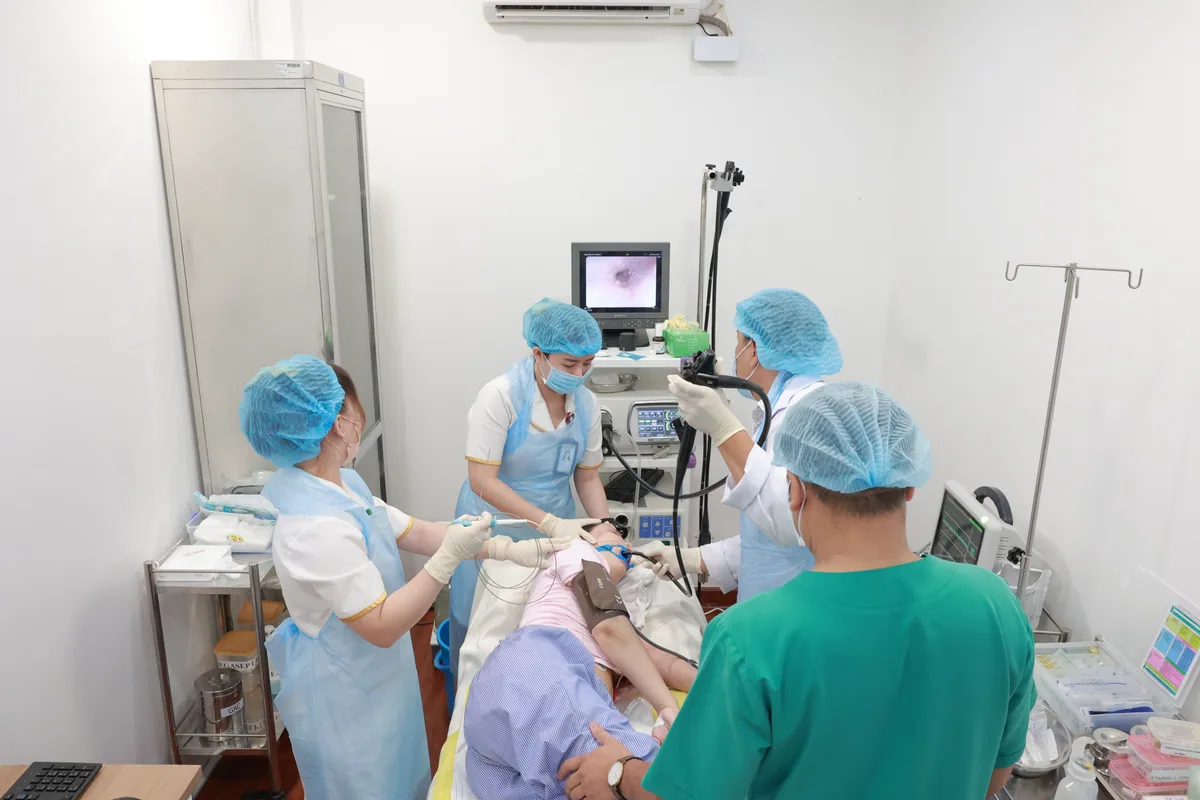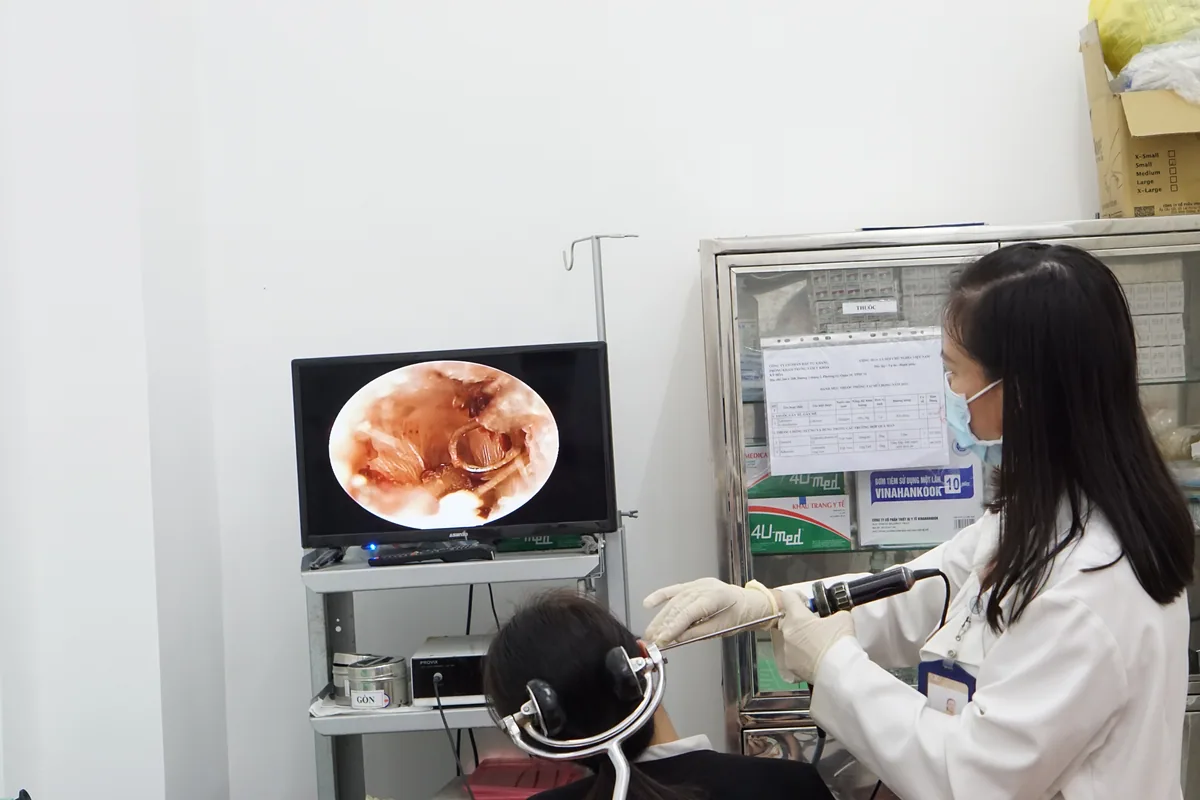

The Surgery Department at Ky Hoa Medical Center handles the examination, assessment, and management of common surgical conditions that do not require major operations. Our surgeons perform minor surgical procedures under properly sterile conditions, ensuring safety and effectiveness. Cases requiring major surgical intervention receive counseling and support with referral to an appropriate specialized facility.
What surgery examines and treats
- Open wounds: cleaning, suturing, and specialized management of tears and cuts
- Abscesses, boils, and subcutaneous cysts: incision and drainage or removal
- Mild to moderate burns: treatment, dressing, and healing follow-up
- Foreign bodies in the skin, feet, or hands: safe removal under sterile conditions
- Counseling and assessment of surgical conditions such as hernia, hemorrhoids, and early-stage appendicitis
- Post-operative wound care, dressing changes, and suture removal
When to come in for examination
- Deep wounds, long tears, or wounds from sharp objects that require suturing
- Abscesses or boils that are red, swollen, and tender with fever or discharge
- Burns from heat, chemicals, or electricity at a level requiring medical intervention
- A foreign body embedded in the flesh that cannot be removed at home
- Pain in the right iliac fossa or groin, or a suspected hernia that needs assessment
Examination process
- Reception and initial assessment: The nurse records the condition, measures vital signs, and prepares the instruments needed for the type of procedure.
- Clinical examination: The doctor assesses the wound or lesion, determines its severity, and plans appropriate management.
- Performing the procedure: Suturing wounds, incising abscesses, removing foreign bodies, or other minor procedures are performed under local anesthesia with proper sterility.
- Post-procedure care instructions: The doctor explains how to care for the wound at home, prescribes antibiotics or pain relief if needed, and schedules dressing changes and suture removal.
Frequently asked questions
How large does a wound have to be to need suturing? Tears longer than 1 cm, wounds that extend through the skin, or wounds whose edges do not close naturally should all be assessed and sutured by a doctor to avoid unsightly scarring and the risk of infection.
Is wound suturing painful? Before suturing, the doctor applies local anesthesia so the patient feels no pain during the procedure. Once the anesthetic wears off there may be a mild tightness, which is treated with ordinary pain relievers.
Is an antibiotic needed after an abscess is incised? In most cases, a skin abscess is thoroughly incised and drained and does not necessarily require prolonged antibiotics. The doctor will assess each specific case and prescribe accordingly.
Contact the center to confirm this information before your visit.
Contact us by hotline, Zalo, or email for guidance on timing and the documents you need to prepare.