

For older adults, health is always the first concern. Below are the best ways to look after the health of older people.
Detecting chronic disease early
Building the habit of regular health checks for older adults helps prevent dangerous illness and detect disease at the earliest stage.
Measuring height and weight: Done once a year, this gives an overall picture of general health and can detect obesity, malnutrition or osteoporosis. If an older person's height decreases year on year and the back becomes more stooped, the first thing to consider is osteoporosis.
Blood pressure measurement: A simple but valuable way to diagnose hypertension. A reading above 140/90 mmHg indicates high blood pressure. Record the reading each time so it can be monitored.
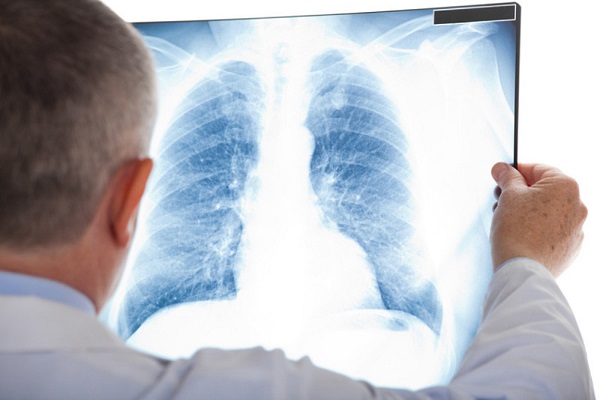
Chest X-ray: Chronic lung disease affects between 50% and more than 70% of older adults. This routine test can detect, prevent and allow early treatment of chronic bronchitis, chronic obstructive pulmonary disease and lung cancer.
Electrocardiogram: An annual ECG is essential. If disease is detected early and monitored and treated, older adults can still lead a healthy life.
Bone density measurement: Recommended for people over 60, people of small build, women after menopause, and those who often take corticosteroids. Taking calcium supplements, increasing physical activity and stopping smoking can help prevent osteoporosis.
Rectal examination: Colorectal cancer occurs mostly in people aged 50 and over. This is why older adults should have a colonoscopy so that any problem is found in time.
Good nutrition helps keep illness at bay
Older people are often described as "a lamp in the wind" - the body grows weaker by the day. Temperament and taste in food may also change suddenly. They therefore need a special diet to build resistance and prevent opportunistic illness.
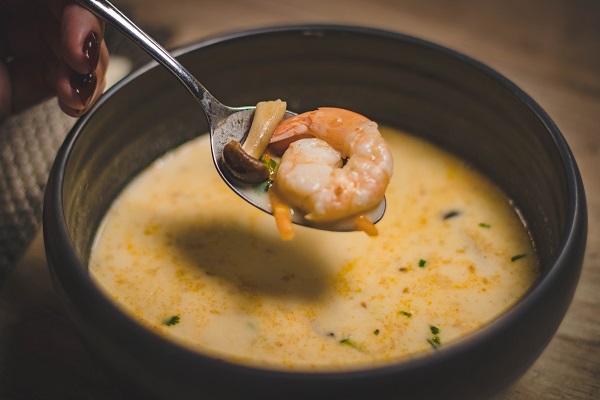
According to MSc Dr Le Thi Ngoc Van, food for older adults should be varied and nutrient-rich, prepared soft so that it is easy to chew, swallow and digest.
- If eating congee, mung bean, adzuki bean or hyacinth bean congee is best.
- Older adults should eat soups and stews, ideally with carrot, potato, beans and mushrooms.
- For soup, choose katuk, amaranth, tonkin jasmine, papaya, watercress or winter melon.
- For fish, choose snakehead, goby and other lean fish, prepared for example in sour soup.
Older adults should eat fish instead of meat; fresh milk and yoghurt are encouraged: 250 ml of fresh milk (or 2 pots of yoghurt) provides 300 mg of calcium a day. Meals should be divided into several small portions, avoiding a single large meal. Dinner should not be too late, as this affects sleep and may set the stage for stroke or coronary events.
A good night's sleep is a "miracle cure"
Older adults often have difficulty sleeping, wake to urinate several times a night, and are easily roused. Sleep disturbance markedly reduces their health and quality of life, leading to physical and mental exhaustion. It therefore helps to establish the habit of going to bed and getting up at set times, and to keep the sleeping area quiet, airy and dimly lit.
For those who need to urinate frequently at night, family members may provide incontinence pads or an underpad to maintain hygiene and prevent repeated waking.
Source: MEDIHUB