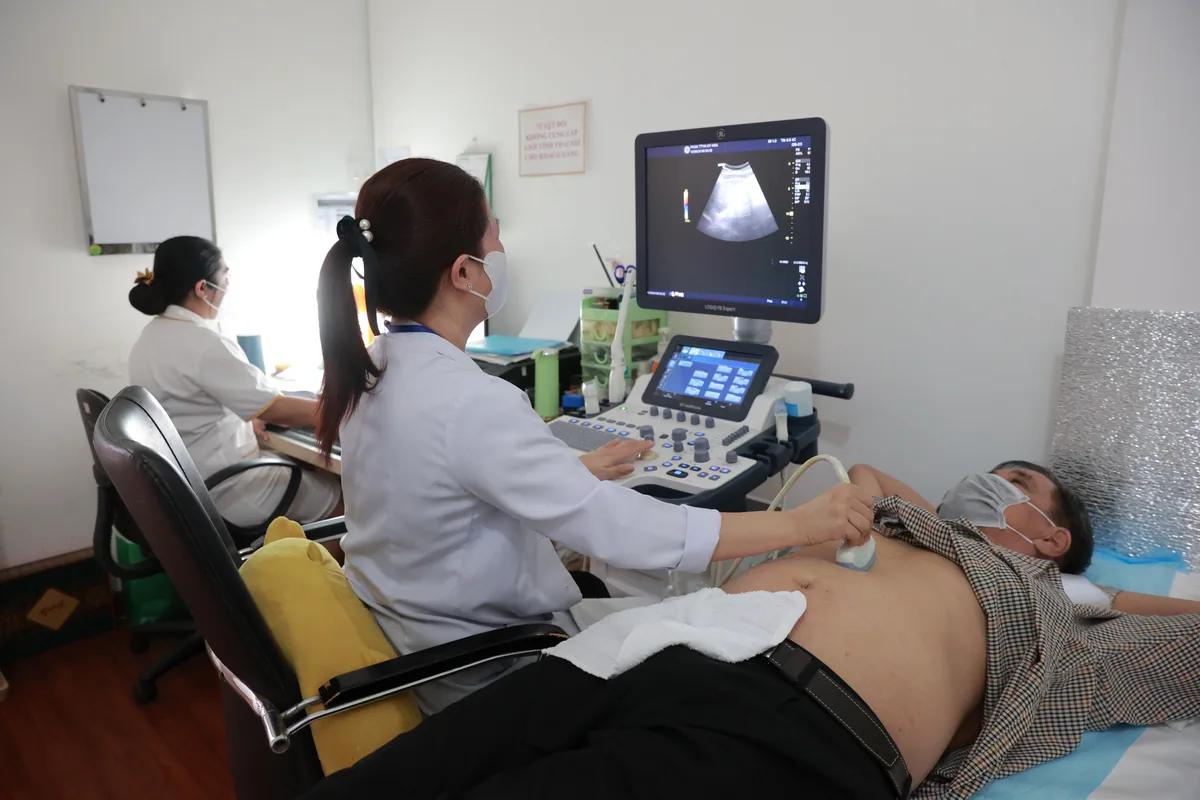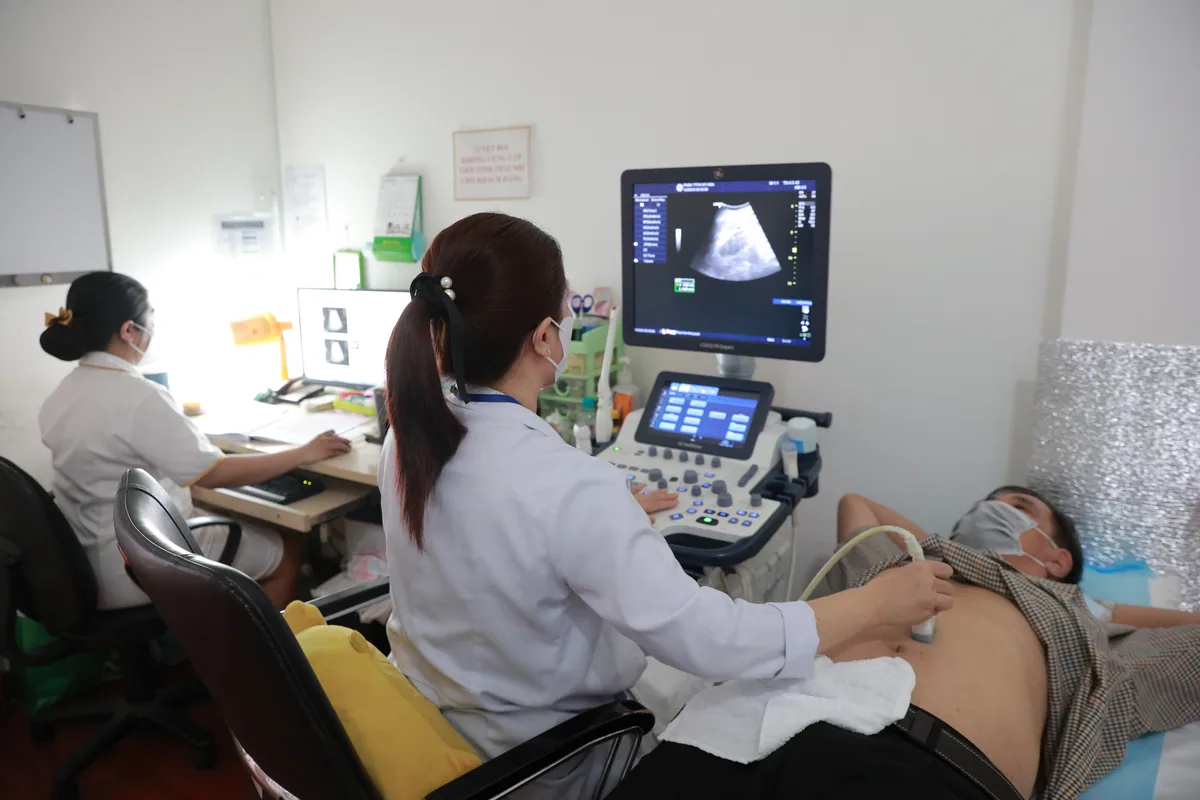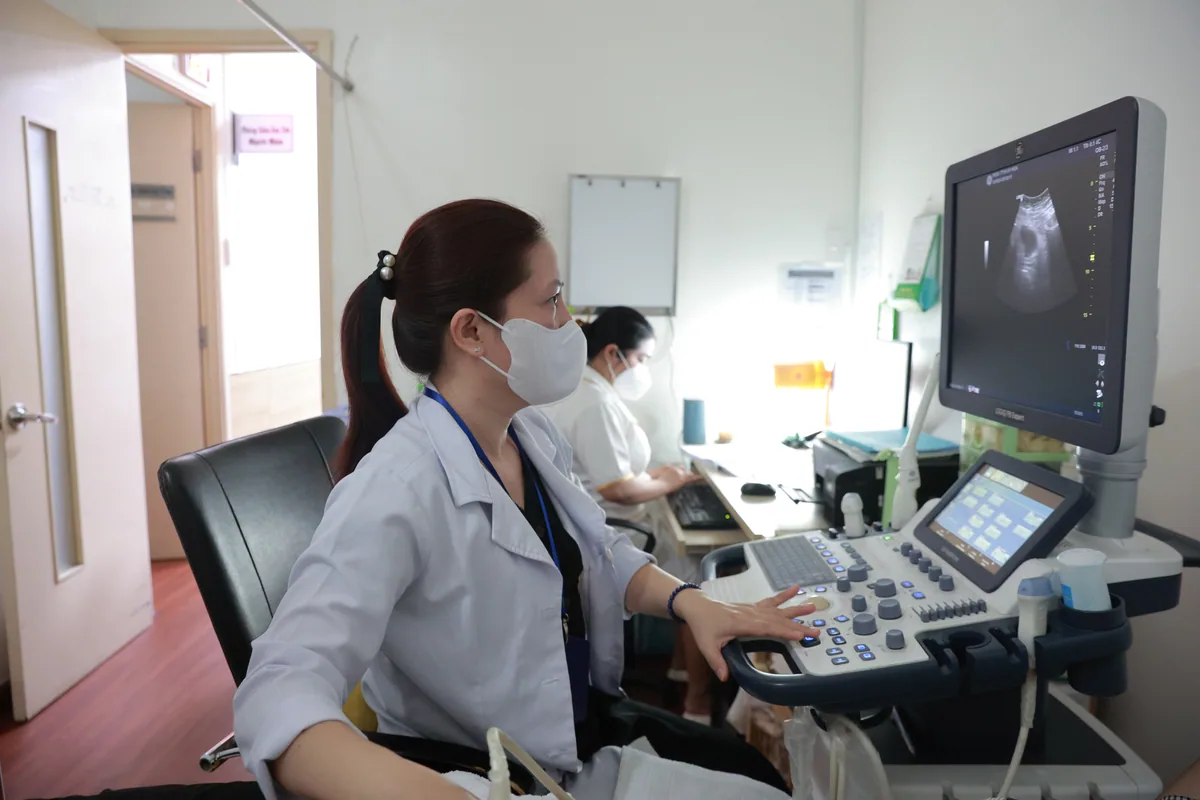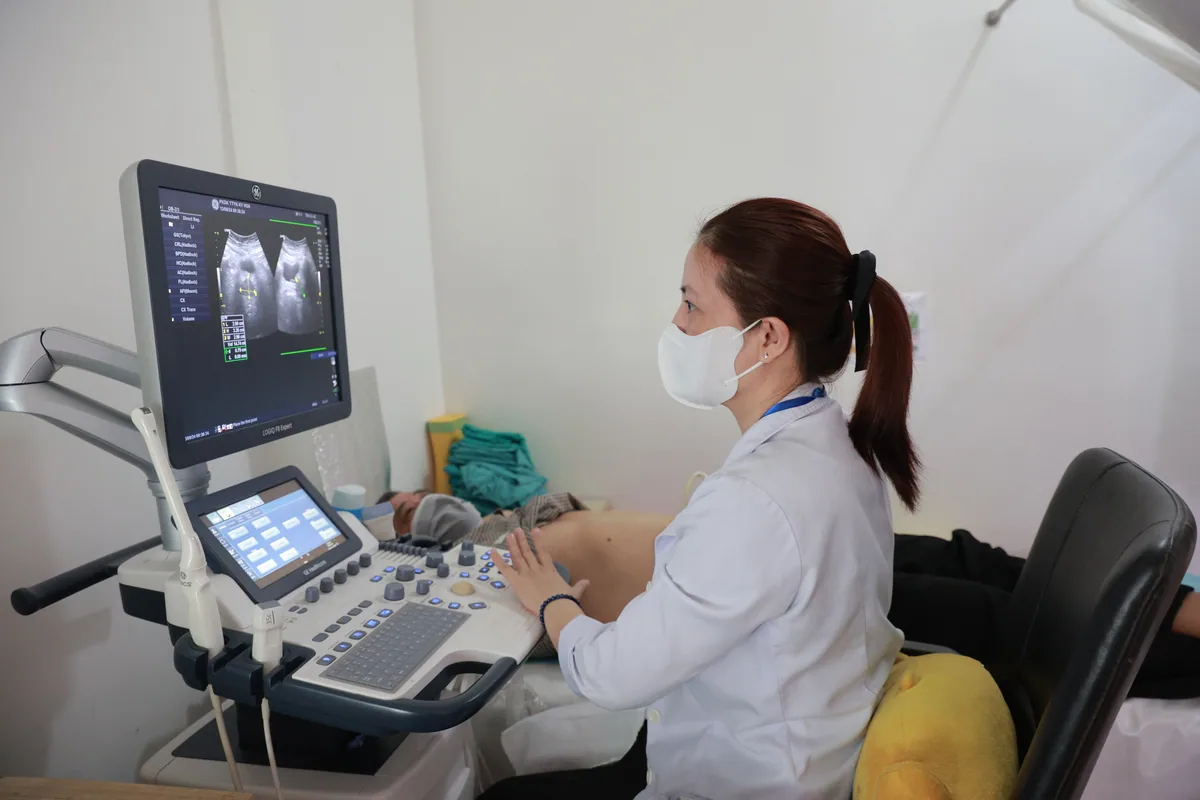

The Ultrasound Room at Ky Hoa Medical Center is equipped with a versatile color ultrasound machine that allows comprehensive examination of the abdominal organs, neck, breast and vascular system. Experienced diagnostic imaging physicians perform the scans and read the results, ensuring high accuracy. Ultrasound results are returned the same day and serve as an important basis for clinicians to adjust the appropriate treatment plan.
What ultrasound examines
- General abdominal ultrasound: liver, biliary tract, pancreas, kidneys, spleen, bladder
- Obstetric ultrasound: monitoring pregnancy, checking the fetal heartbeat and fetal morphology
- Ultrasound of the thyroid, salivary glands and neck structures
- Breast ultrasound: detecting tumors, cysts and abnormal breast tissue
- Soft-tissue ultrasound: assessing cysts, abscesses and subcutaneous masses
- Vascular (Doppler) ultrasound: examining arterial and venous circulation in the limbs
When you should have an ultrasound
- Abdominal pain, bloating or suspected disease of the liver, biliary tract, kidneys or pancreas
- Routine pregnancy monitoring according to the antenatal schedule
- Detection of a tumor, cyst or abnormal thickening in the neck, breast or abdomen
- Patients with diabetes or hypertension who need screening for organ complications
- General abdominal ultrasound as part of the annual routine health check-up
Procedure process
- Preparation and reception: The nurse guides you into position and reiterates the preparation requirements (fasting for abdominal ultrasound, drinking enough water for bladder ultrasound).
- Performing the ultrasound: The physician applies conductive gel and moves the probe over each area to be examined, saving images for analysis.
- Image analysis: The physician evaluates the size, structure and any abnormalities on the ultrasound images against normal standards.
- Returning results and consultation: Results are returned the same day with a clear explanation - clinicians can use them right away to adjust treatment.
Frequently asked questions
Do I need to fast for an abdominal ultrasound? You should fast for at least 6 hours before a general abdominal ultrasound so the gallbladder distends and the images of the liver, biliary tract and pancreas are clearer. Thyroid and breast ultrasounds do not require fasting.
Does ultrasound affect the fetus? Ultrasound uses sound waves, not radiation, and is completely safe for both mother and fetus. It is the standard method recommended worldwide for monitoring pregnancy.
Can ultrasound replace a CT scan? Ultrasound and CT complement rather than fully replace each other. Ultrasound is suitable for initial screening and monitoring, while CT offers higher resolution for complex lesions - the physician will indicate the most appropriate method for each case.
Contact the center to confirm information before your visit.
Contact us by hotline, Zalo or email for guidance on timing and the documents to prepare.