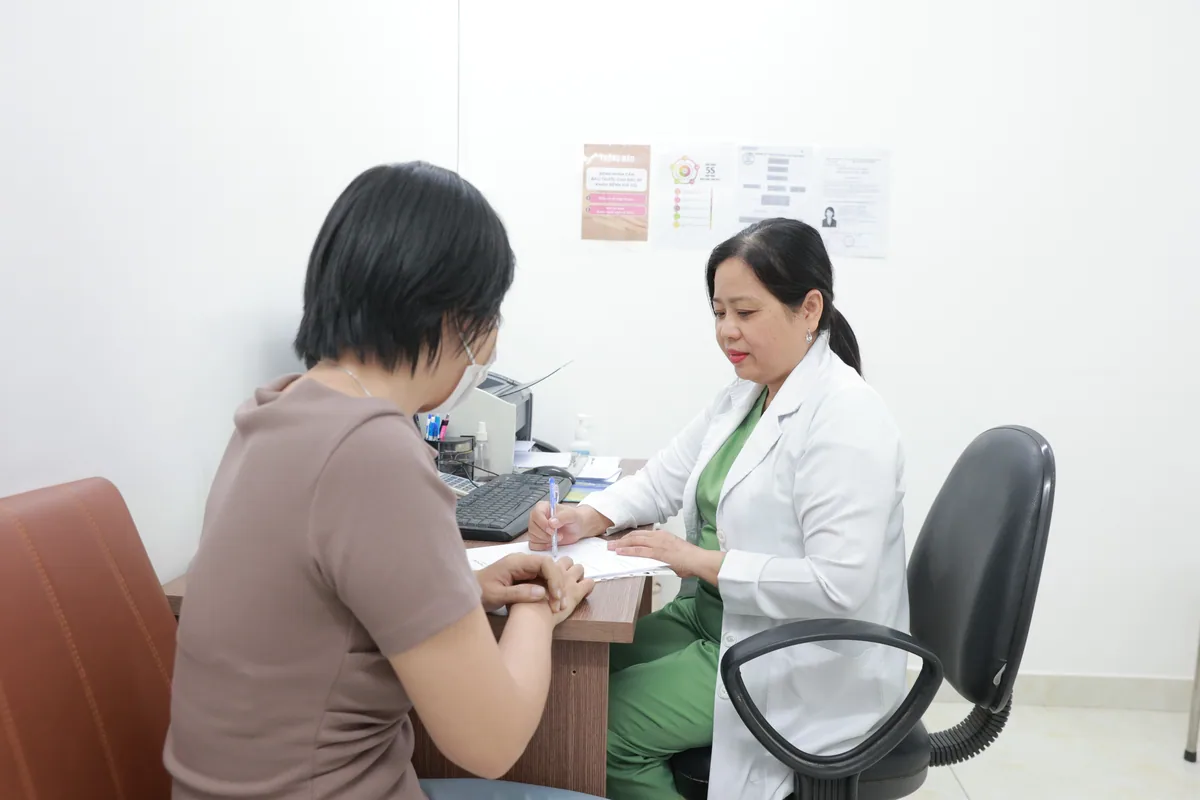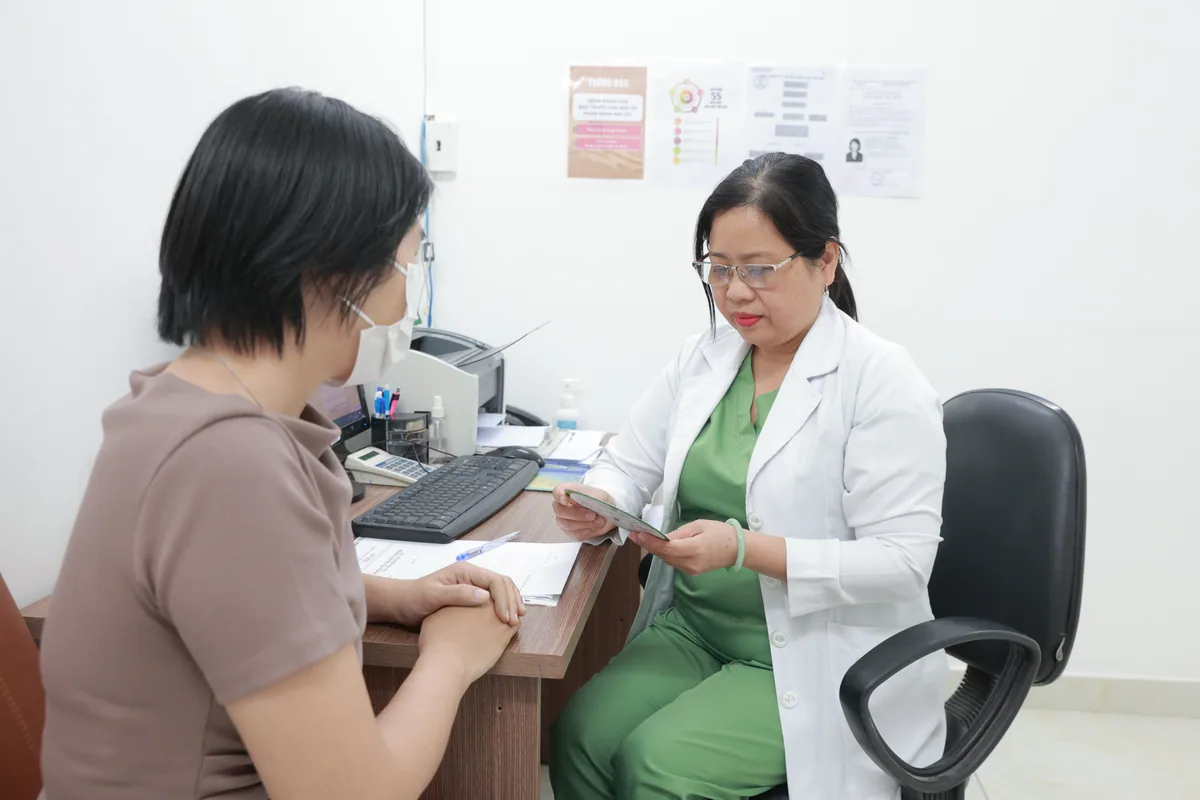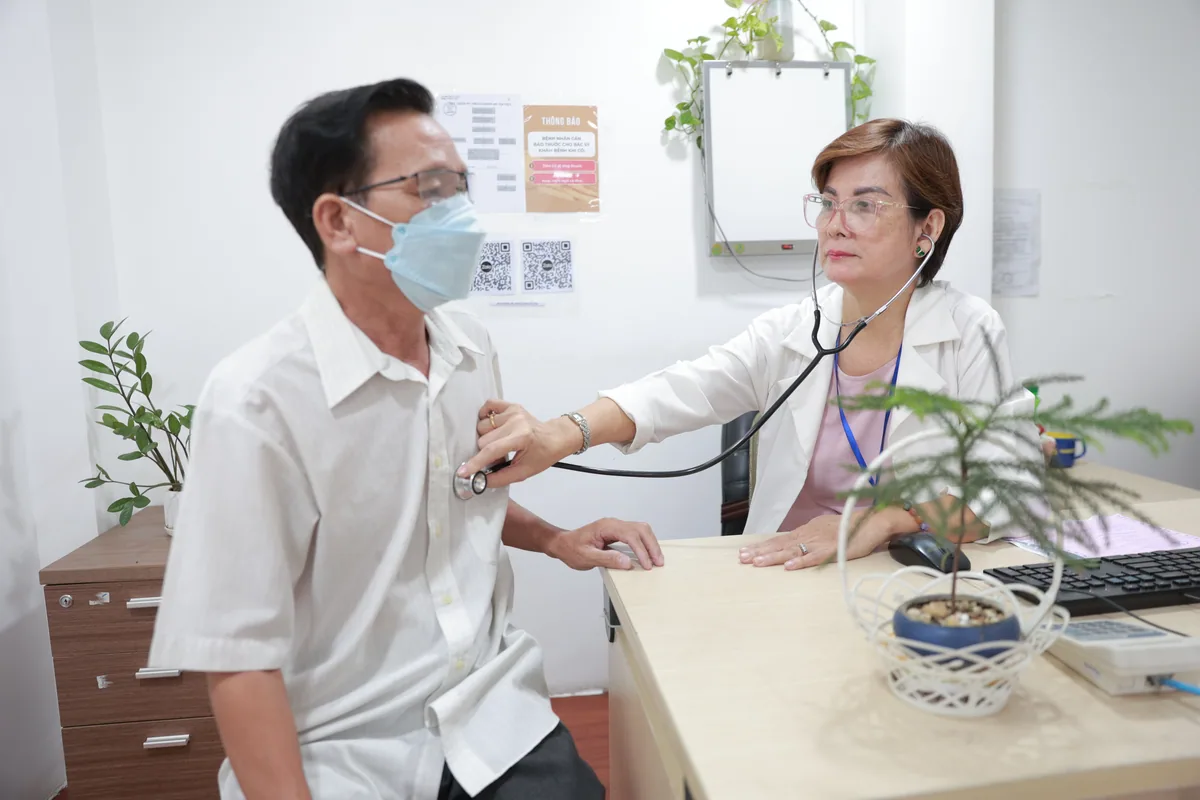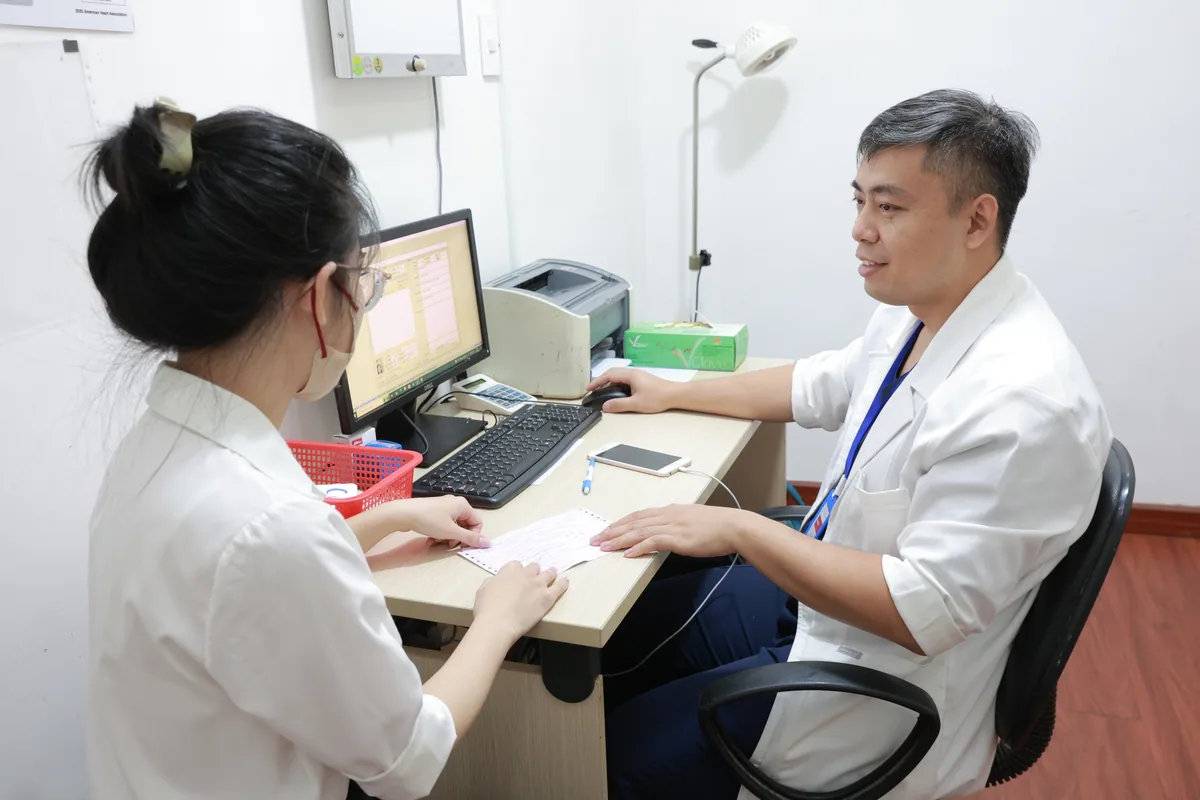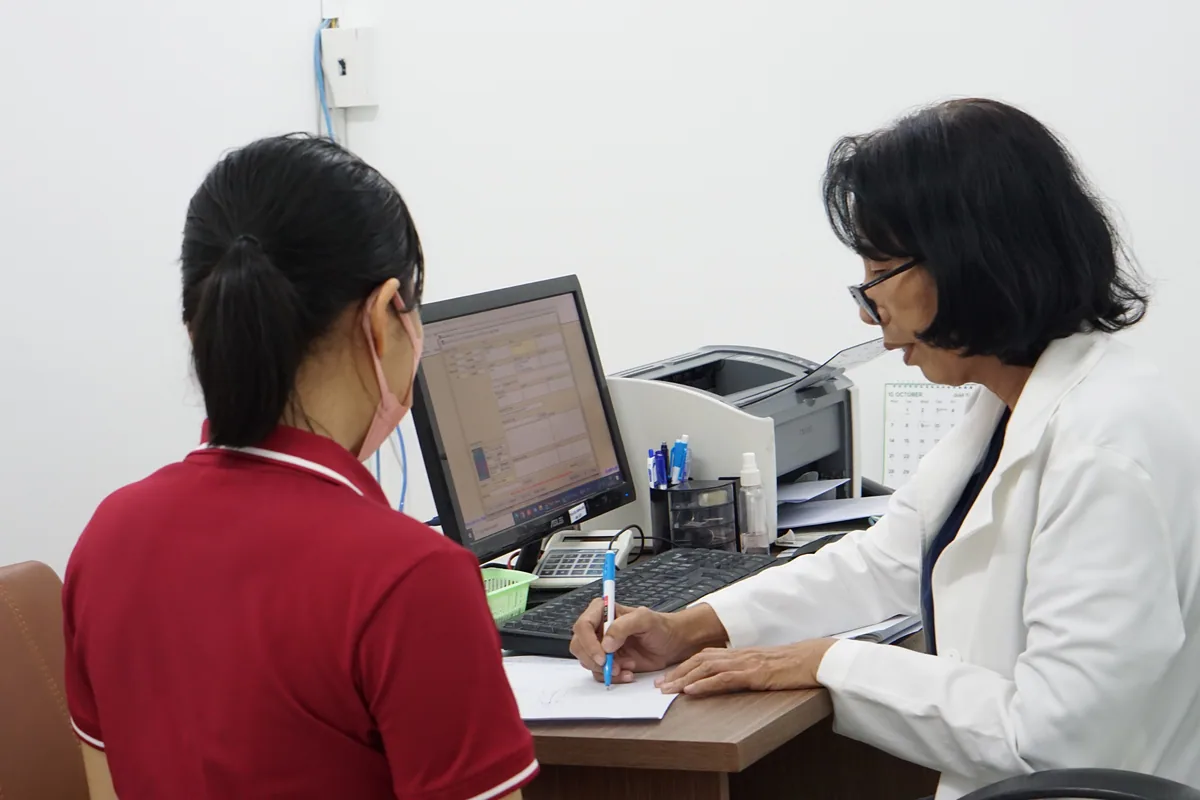

Many people come to General Internal Medicine not because of sudden severe pain, but because of small things that will not go away: feeling bloated after meals lately, getting short of breath after a flight of stairs, or a blood pressure reading at the pharmacy that came back a little higher than usual. Those seemingly minor things are often exactly the right moment to sit down with a doctor and find out whether the body is fine, or simply needs a closer look.
The General Internal Medicine Department at Ky Hoa Medical Center handles the examination and treatment of most common internal conditions found in the community. Our doctors perform comprehensive examinations, order appropriate investigations and build treatment plans or provide guidance for monitoring health at home - an important first step in each patient's journey toward comprehensive care.
What General Internal Medicine examines and handles
- Digestive conditions: stomach pain, esophageal reflux, irritable bowel syndrome, colitis
- Respiratory conditions: bronchitis, mild pneumonia, chronic cough, chronic obstructive pulmonary disease (COPD)
- Cardiovascular and metabolic conditions: hypertension, diabetes, dyslipidemia
- Musculoskeletal conditions: back pain, arthritis, osteoarthritis, gout
- Endocrine conditions: thyroid disorders, obesity, prediabetes
- Prolonged fatigue, abnormal weight loss or symptoms of unknown cause
Common conditions and the signs to look for
Below are the groups of conditions our internal medicine doctors see most often, together with the symptoms patients usually describe. This is written to help you recognise what you may be experiencing, not to diagnose yourself: the same symptom can come from very different causes, and only a doctor who examines you in person can reach a conclusion.
Hypertension and cardiovascular problems
High blood pressure often causes no clear discomfort, so many people only discover it by chance during another visit. Some things patients commonly mention: a heavy headache at the back of the head in the morning, mild dizziness when standing up quickly, a flushed face, or a racing heartbeat for no obvious reason. Older adults, people carrying extra weight, and anyone whose parents had high blood pressure should have it measured regularly even while feeling well. You may also want to read High Blood Pressure: Warning Signs and When to Seek Emergency Care.
Diabetes and metabolic disorders
Feeling thirstier than usual, getting up several times at night to urinate, losing weight while eating normally, small cuts that heal slowly, tingling in the fingers and toes - these are what patients with diabetes often describe when they first come in. Dyslipidemia is quieter still and is mostly found through blood tests. What both have in common is that early detection makes long-term monitoring far gentler. Our article Early Warning Signs of Type 2 Diabetes describes this in more detail.
Digestive conditions
Pain in the upper abdomen, heartburn, belching, bloating after meals and morning nausea are common signs of gastritis and reflux. If bowel habits become irregular, alternating between constipation and loose stools with a dull ache lasting several weeks, it is worth seeing a doctor to look for the cause rather than adding more over-the-counter medicine. Depending on the situation, the doctor may suggest gastrointestinal endoscopy or an abdominal ultrasound.
Respiratory conditions
A cough lasting more than three weeks, phlegm that changes colour, wheezing, or breathlessness after only a short walk are all reasons to have your chest listened to and to consider an X-ray. People with a long history of smoking, or years of work in dusty environments, are usually followed more closely in this group.
Musculoskeletal conditions
Back pain, aching knees on the stairs, morning stiffness that takes a while to rub away - these are very common from middle age onward and are often dismissed as simply getting older. A sudden hot, swollen big toe joint, on the other hand, often points toward gout. The doctor will distinguish between degeneration, inflammatory arthritis and other causes in order to choose an approach that suits each person.
Thyroid and endocrine problems
Palpitations, trembling hands, weight loss and heavy sweating - or the opposite: fatigue, weight gain, sensitivity to cold and persistent constipation - can all relate to how the thyroid is working. A neck that has grown larger, or a small lump you can feel, is also a good reason to come in. Blood tests and a thyroid ultrasound help the doctor assess this more clearly before drawing any conclusion.
Prolonged fatigue of unknown cause
Some cases do not fit neatly into any group: just constant tiredness, no appetite, restless sleep, a few kilograms lost over several months with no explanation. That is a perfectly valid reason to see an internal medicine doctor. The doctor will examine you thoroughly and order the laboratory tests needed to narrow down the cause step by step, rather than guessing.
When to come for examination
- Stomach pain, heartburn, bloating or digestive disturbances lasting more than 2 weeks
- Cough, shortness of breath or chest tightness that persists after usual treatment
- High blood pressure, high blood sugar or high blood lipids found incidentally
- Unexplained fatigue, rapid weight loss or night sweats
- Regular follow-up to monitor chronic conditions such as hypertension and diabetes
The following signs, however, should not wait for a scheduled appointment. Go to the nearest medical facility straight away:
- Severe chest pain, spreading to the shoulder or jaw, with heavy sweating
- Sudden shortness of breath, unable to finish a full sentence
- A drooping mouth, weakness or numbness on one side of the body, slurred speech, blurred vision in one eye
- Vomiting blood or passing black stools
- Persistent high fever with drowsiness, confusion or seizures
During working hours, Ky Hoa Medical Center has an Emergency department that receives these cases. Outside working hours, please call 115 or go to the nearest hospital rather than waiting until morning.
Examination process
- Reception and information gathering: Nurses measure vital signs and record the medical history and reason for the visit.
- Clinical examination: The doctor takes a detailed medical history, performs a full physical examination and assesses the relevant organ systems.
- Ordering investigations: Depending on the condition, the doctor may order blood tests, X-rays, ultrasound or an electrocardiogram right at the center.
- Counseling and treatment: The doctor explains the results, prescribes medication or advises on lifestyle changes and an appropriate follow-up schedule.
Most of these steps are completed within the same visit when the investigations ordered can be carried out at the center. The list of techniques the center is licensed to perform is available on our Procedures page. If your condition requires a technique beyond the center's approved scope of practice, the doctor will explain this clearly and guide you through the next steps.
How to prepare before your visit
- Personal identification, and your health insurance card if you are visiting under health insurance (BHYT)
- Your current prescription, or simply a photo of the packaging - including supplements and any medicine bought without a prescription
- Your medical record book, previous test results or imaging films, even from some time ago
- If blood sugar or blood lipid tests are expected: fast for at least 8 hours, drinking only plain water during that time
- A few written notes: when the symptoms started, when they worsen, what you have already tried. Coming with a family member also helps you recall the details
- Loose sleeves, which make blood pressure measurement and blood draws easier
Follow-up for chronic conditions
For chronic conditions such as hypertension, diabetes or dyslipidemia, what matters most is usually not the first visit but the steady follow-up afterwards. Readings shift with weight, with the seasons, and with changes in daily routine, so prescriptions and diet need to be reviewed by the doctor from time to time. Your doctor will set a follow-up schedule suited to you and explain clearly which readings are worth tracking at home.
One thing we see fairly often: people stop taking their medication once they feel well again. This is worth discussing with your doctor before deciding, because feeling well and the actual readings do not always move together. Please ask your doctor directly - no question is a bother.
Frequently asked questions
How is a general internal medicine examination different from a routine general check-up? General internal medicine focuses on internal conditions, especially chronic diseases that require long-term monitoring. The doctor has deeper expertise and follows a more systematic process for ordering investigations than in a general health check-up.
I have taken blood pressure medication for years - should I bring it to the examination? Yes - please bring your current prescription or a photo of the medication names so the doctor can assess how well the treatment is working and adjust the dose if needed.
Do I need to fast for a general internal medicine examination? Fasting is usually not required for a clinical examination. However, if blood tests (blood sugar, blood lipids) are expected, you should fast for at least 8 hours before coming.
Can an elderly parent come for the examination alone? Yes, if they still move around comfortably and can recall their own condition clearly. That said, having a family member along makes things easier: remembering the doctor's instructions, helping move between rooms, and keeping track of the medication schedule afterwards.
Can I use health insurance for an internal medicine visit? Ky Hoa Medical Center is a primary care facility under contract with Ho Chi Minh City Social Insurance. Please bring your health insurance card together with personal identification, and our reception team will explain which parts fall within the insurance fund's coverage and which are paid directly. More detail is on our Health Insurance page.
Should I come in if I feel completely fine? Many internal conditions develop quietly for a long time before any symptom appears, so a periodic examination is still useful while you feel well, particularly from middle age onward or when heart disease or diabetes runs in the family. If you are not sure where to start, you may look at our periodic health check packages and take your time deciding.
Contact the center to confirm information before your visit.
Contact us via hotline, Zalo or email for guidance on timing and the documents to prepare.