

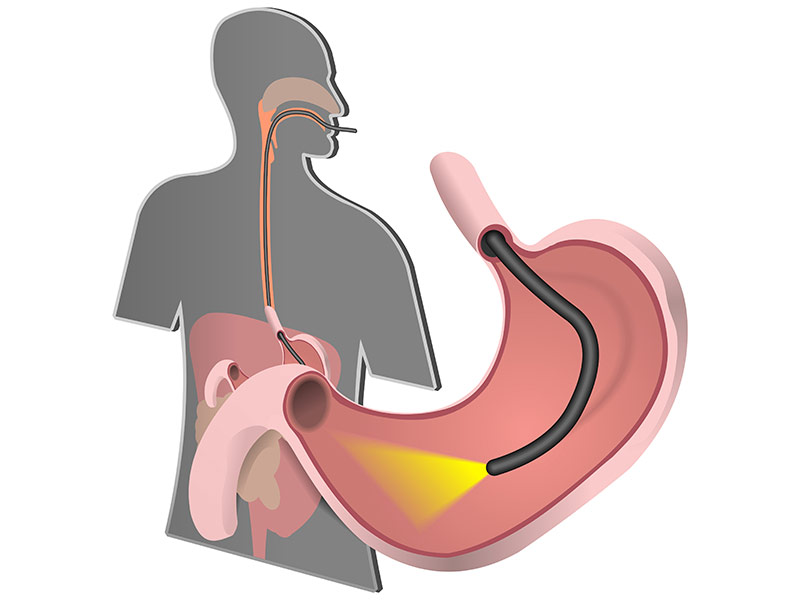
Before a gastroscopy the patient must fast. Afterwards, certain foods should be avoided in order to protect the stomach.
What are the stomach and duodenum?
The stomach is the widened section of the digestive tract, responsible for storing and digesting food. It sits in the epigastric region, below the left diaphragm.
The duodenum is the first part of the small intestine, running from the pylorus of the stomach to the duodenojejunal flexure. It is an important part of the digestive system because it is where pancreatic juice and bile enter to digest food.
What is a gastroscopy?
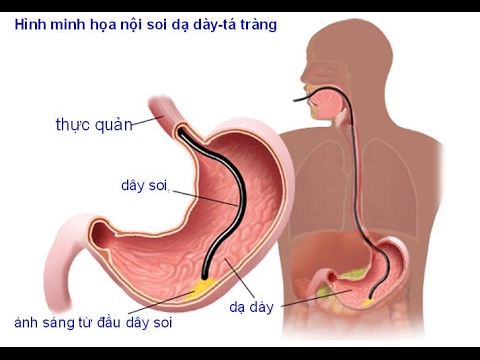
This is a method of examining the digestive tract directly - the oesophagus, stomach and duodenum. During the procedure the doctor passes a small flexible scope through the mouth to inspect the inside of the oesophagus, stomach and duodenum, allowing an accurate diagnosis and appropriate treatment.
When is a gastroscopy needed?
- A gastroscopy is indicated when any of the following are present:
- Epigastric pain, nausea or vomiting after eating - collectively known as gastroduodenal syndrome
- Unexplained weight loss
- Vomiting blood, passing black stools, or unexplained anaemia
- Gastro-oesophageal reflux
- Cancer screening
- Follow-up endoscopy after a course of treatment
Preparing for a gastroscopy
- The patient is given a full explanation of the benefits and risks of the procedure
- The evening before the procedure the patient eats lightly; on the morning of the procedure they must not eat or drink.
- Try to co-operate and follow the doctor's instructions during the procedure.
Caring for the patient after a gastroscopy
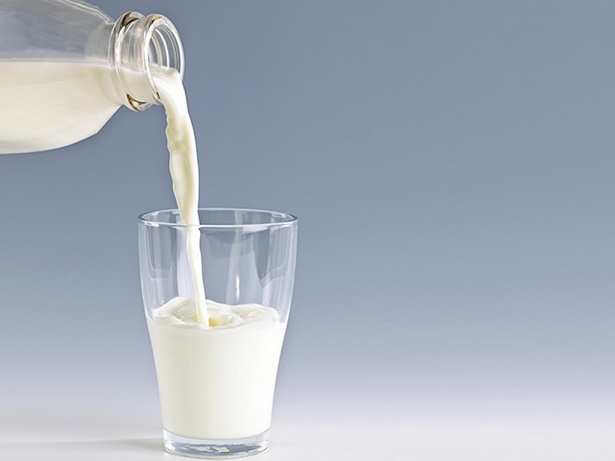
- One hour after the gastroscopy: the patient may drink cool milk (never hot).
- The next 30 minutes: if the patient does not vomit, they may eat cool minced-meat congee.
- For the next few days they should eat:
– Foods that reduce gastric secretion and lessen the effect of acid on the stomach lining, such as sweet and fatty foods.
– Foods that coat the stomach lining and absorb gastric juice, such as glutinous rice, bread, milk and egg white.
– Soft foods such as congee, soup and well-stewed dishes.
– Do not let the stomach become empty, and do not eat too much at once. Eat several small meals a day, 2–3 hours apart.
Foods to AVOID
- Highly acidic foods such as sour fruit - orange, pomelo, lemon, green mango - and vinegar
- Fruits such as banana, papaya and apple
- Foods that can damage the stomach lining, such as alcohol, beer, chilli, garlic, coffee, tea and fizzy soft drinks
- Processed foods such as Chinese sausage, sausages and yoghurt
Source: Medihub, Dr Le Thi Hue