

These discoveries had a major influence on world medicine over the past year.
2017 marked a number of medical breakthroughs around the world. Let us look at what they were and what they contributed to medicine.
1. The Tricorder: the health scanner from Star Trek
If you are a fan of Star Trek you will remember Dr McCoy using a sensing device called a Tricorder to gather and monitor a person's health data.
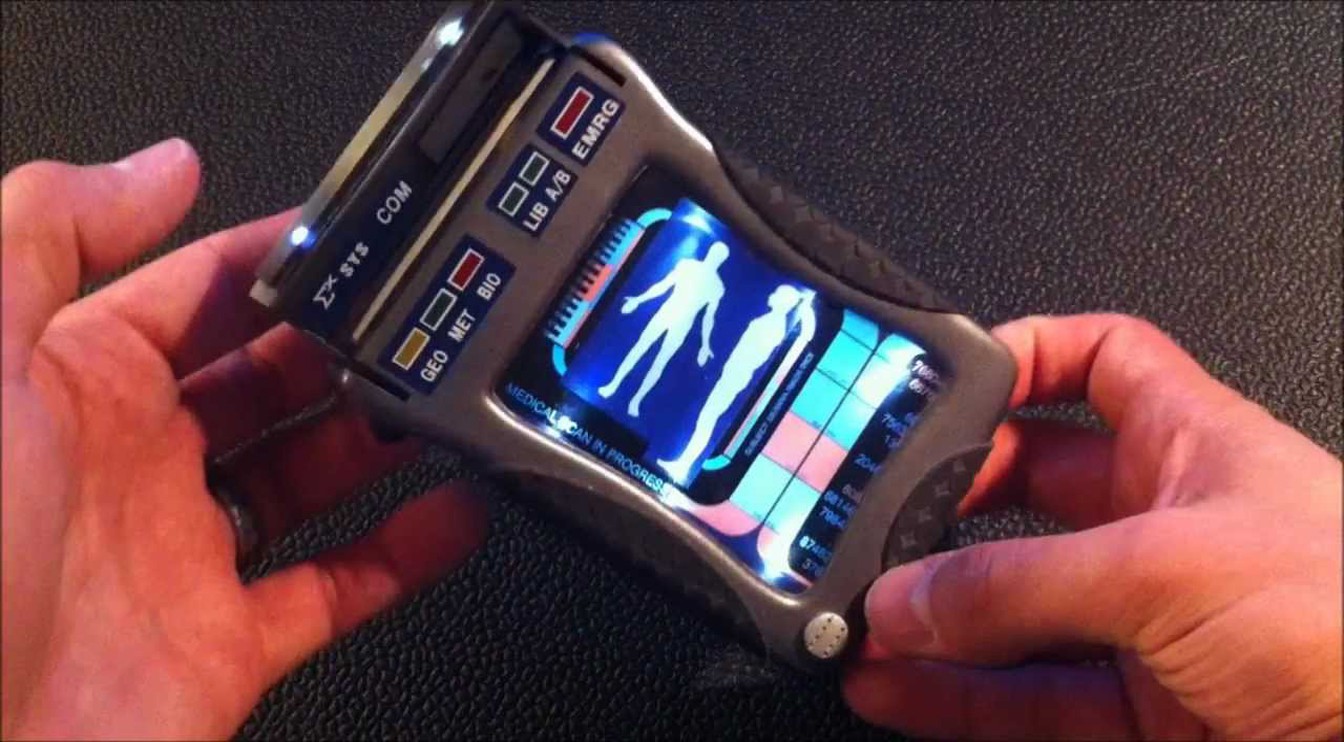
In a recent XPrize competition organised by Qualcomm, with a prize of up to 10 million USD, a device similar to the Tricorder may become a health care tool of the future.
For more than five years, research teams from the United States, Britain, Canada, India and Taiwan have competed to develop their own Tricorder. These portable devices can diagnose health problems and monitor real measurements in the body such as blood pressure. Scientists hope they can be used at home so patients can assess and manage their own health rather than having to visit a medical centre.
2. T-cell immunotherapy
There have been enormous advances in medicine, particularly in treatments for blood cancers such as leukaemia, raising the survival rate of children with the disease to more than 85%. Scientists predict that future advances may save more lives and push survival rates higher still.
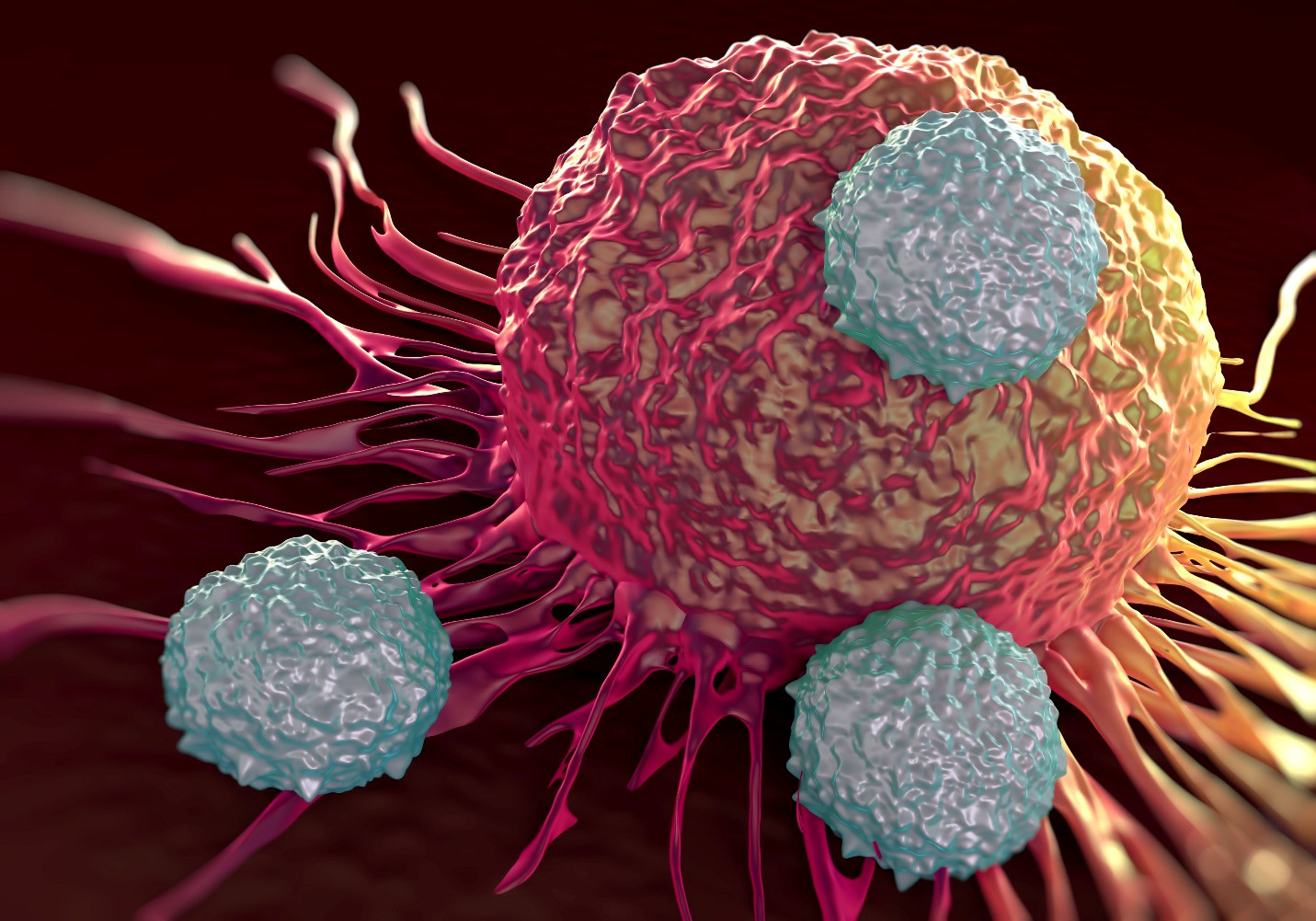
This was the first time the US Food and Drug Administration approved CAR T-cell immunotherapy for cancer treatment in medical centres in the United States. With this cell immunotherapy, T lymphocytes are separated from the patient's body and processed in a laboratory. The cells are then infused back into the patient to attack the cancer cells.
Clinical trials in children have been highly successful, with high survival rates. T-cell immunotherapy is therefore a promising approach offering hope to cancer patients worldwide.
3. Augmented reality applications
When the game Pokémon Go took off, millions of people around the world had the chance to experience augmented reality (AR) every day, in which a computer enhances positions and sounds in the real environment.
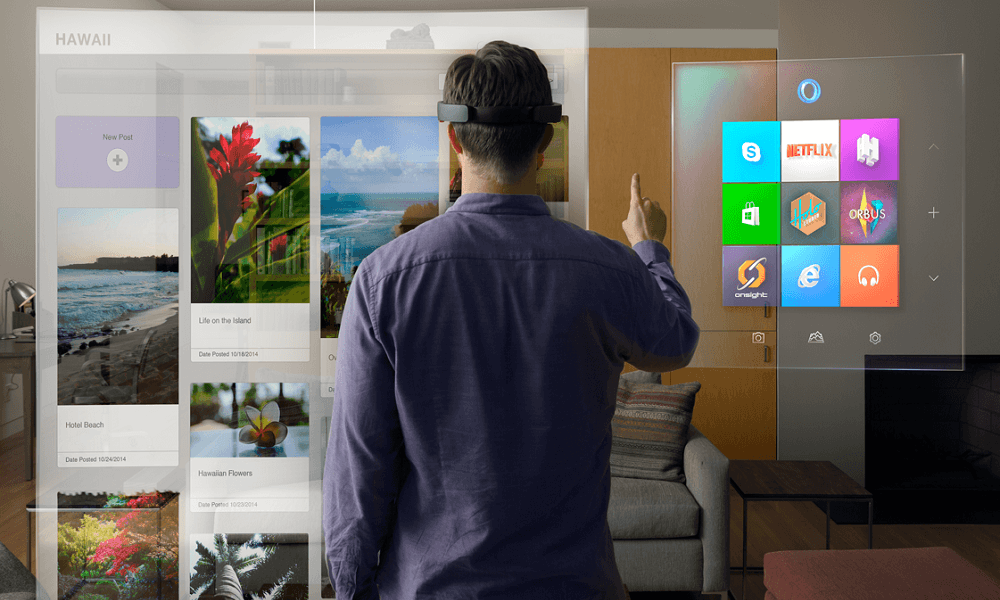
In medicine, notable AR tools such as AccuVein can map the veins in a patient's body. This breakthrough technology will become more widespread in future because it can:
- help doctors and medical students perform certain dissections, procedures and resections
- help patients visualise their treatment, surgery and recovery
- map the location of health care providers and life-saving equipment (such as defibrillators) for the public in an emergency
In future, AR eye and ear implants will also be widely used. Companies such as Google and Samsung have filed patents for lens implants that monitor glaucoma and deliver medication.
4. Artificial blood
From prosthetic limbs to artificial hearts, pacemakers to ear implants, scientists are finding ways to replace almost every part of the human body. Recently, scientists announced that they can also create artificial blood.
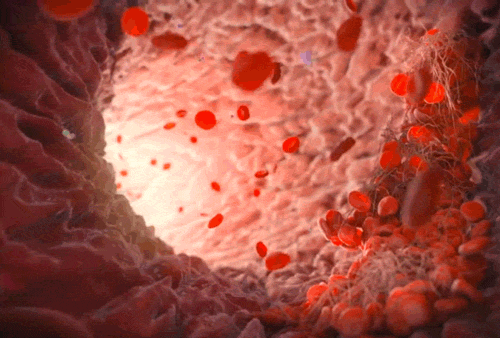
In 2017, Britain's National Health Service (NHS) ran a safety trial in which 20 people were transfused with a small volume of artificial blood made from stem cells. The initial aim of the research was to create red blood cells to treat specific conditions, such as sickle cell anaemia.
In the long term, NHS scientists hope to supply enough blood for patients with rare blood types.
5. Mobile stroke treatment units
When a stroke occurs, a patient may lose around two million neurons every minute. The longer it goes on, the worse the damage to the brain.
Researchers therefore developed mobile stroke treatment units (MSTU or MSU) to save patients in time.
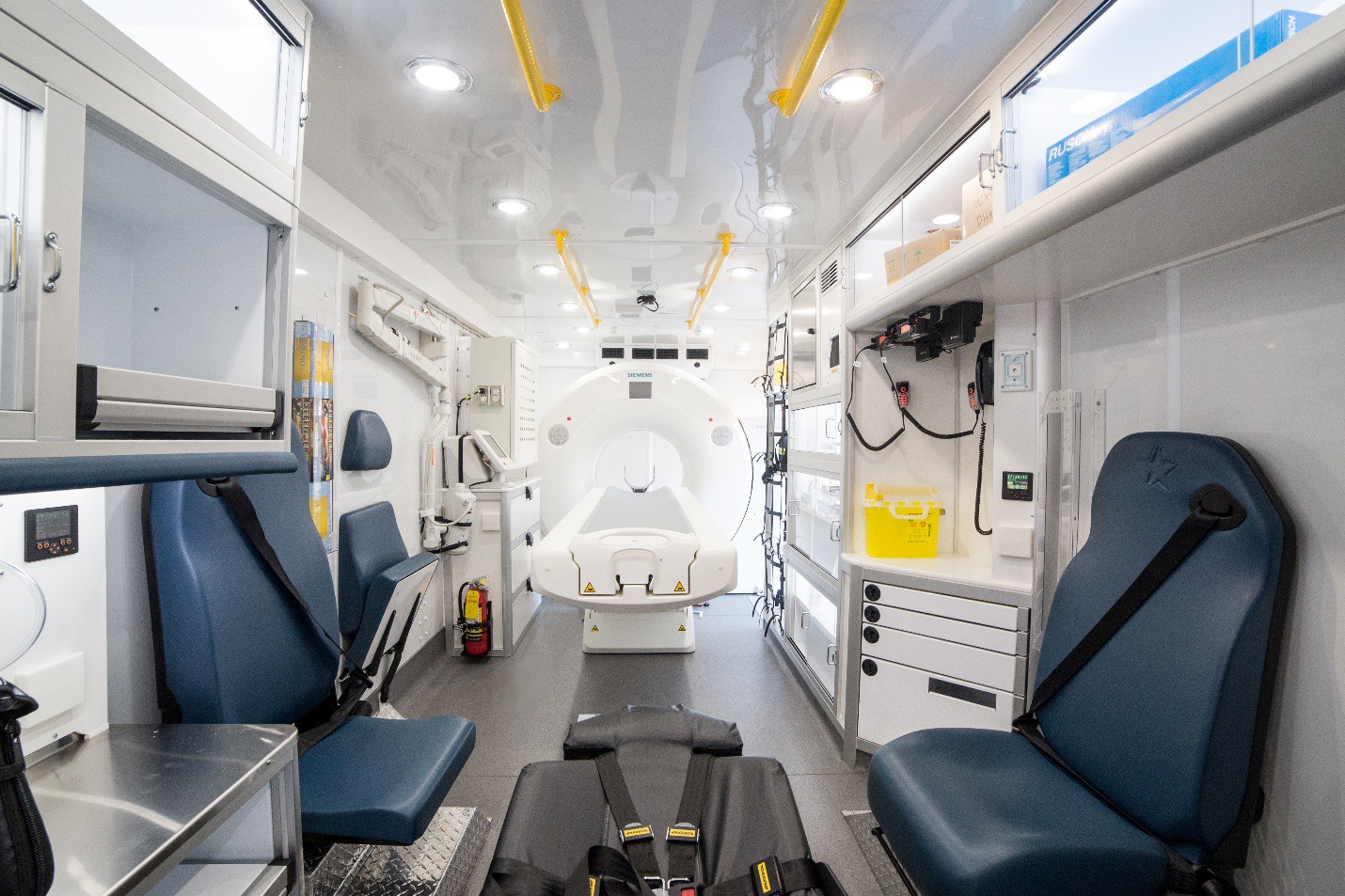
MSTUs allow rapid diagnosis and treatment of stroke and can save patients' lives in time. An MSTU can reach the patient's home quickly, determine whether the stroke was caused by a clot, use drugs to dissolve the clot and then take the patient to hospital.
In the initial phase, units like these were established in Cleveland, New York, Houston and Denver, saving many lives every day. US authorities plan to provide MSTUs to about 40% of emergency departments in major American cities.
6. Interoperability in health technology
One recent medical advance is the interoperability, or applicability, of health care information technology - for example hospital digital systems that can communicate conveniently with one another.
Introduced in early 2017, Fast Healthcare Interoperability Resources (FHIR) is a tool that saves money and balances lives by improving the speed and efficiency of transferring health data.
Essentially, instead of transferring an entire data set and creating a backup copy, FHIR transfers specific health care information - a word, a code - from one place (for example your doctor) to another (for example billing). This means health care staff do not have to wade through masses of irrelevant information to find the data they want.
7. Ultrasound therapy for Alzheimer's disease
According to the Alzheimer's Association in the United States, one in three older adults today may die of Alzheimer's disease or another form of dementia.
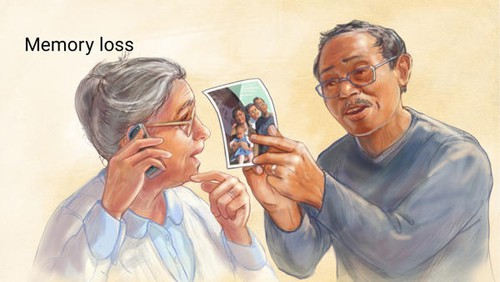
While a comprehensive cure is still being sought, there is one promising breakthrough for Alzheimer's patients: ultrasound therapy applied to the amyloid plaques that surround neurons and are thought to be treatable in this way.
In 2015, Australian researchers found that ultrasound waves could remove amyloid plaques in mice, and 75% of the animals were able to complete memory tests successfully.
The scientists also reported no damage to surrounding tissue, and the treatment may be far cheaper than drugs with a similar function, according to The Wall Street Journal.
Applying this breakthrough in humans will nonetheless require much more work, because the biological structure of the human brain is more complex. Even so, it is a breakthrough that offers considerable hope to Alzheimer's patients.
Source: Huffington Post