


When you try a new workout or move to a higher intensity, your muscles may ache in the first days afterwards. This is because the increased intensity puts strain on the muscles, creating tiny tears in the muscle fibres.
Exercise is an important part of a healthy, active lifestyle. It keeps joints, ligaments and tendons flexible and builds muscle strength. However, if you take up a new exercise or move to a higher intensity, your muscles may ache in the first days afterwards. This is because the added strain creates tiny tears in the muscle fibres. As the muscles heal, they become stronger and able to handle higher intensity.
Why are muscles most sore a few days after exercise?
If you notice muscle pain while you are exercising, that is acute pain. Muscle soreness usually appears about 12 hours after exercise and peaks 48–72 hours afterwards. This is called delayed onset muscle soreness. During this time the body is thought to be repairing the injuries, making the muscles stronger and larger. You may also notice the muscles feel better with gentle movement. This is completely normal.
What can you do to ease muscle soreness?
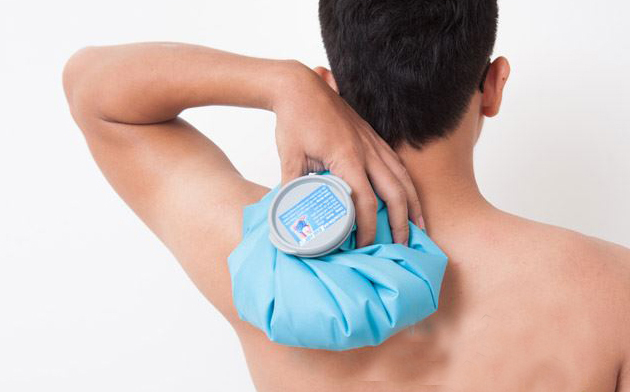
There are several things you can do to help ease muscle soreness. You can:
- Stretch gently
- Massage the muscles
- Apply a cold compress to reduce swelling
- Apply a warm compress to increase blood flow to the muscles
- Rest
- Use a pain reliever, such as a non-steroidal anti-inflammatory drug (NSAID)
How to tell muscle soreness from injury
If you feel pain while training and it is still there 72 hours after you stop, you may have injured yourself with a muscle tear.

If you think you have a muscle tear or sprain, try the RICE method (rest, ice, compression and elevation).
- Rest: When injured you should rest, either completely or partly, depending on how severe the injury is.
- Ice: Using an ice pack, an ice bath or an ice massage can reduce swelling, pain, bruising and muscle spasm. Keep icing for up to 3 days after the injury.
- Compression: Wrapping the injured area may be the best way to prevent swelling and bruising. Depending on severity, you may bandage the injury for 1–2 days, a week or more.
- Elevation: Raising the injured area to or above the level of the heart helps prevent it from swelling further and reduces bruising. Try to do this for about 2–3 hours a day.
See a doctor or a medical facility if you have any of the following symptoms:
- Muscle pain lasting more than a week
- Severe pain that worsens with exercise
- Skin that is red, swollen, or warm to the touch over the injured joint or muscle
- Difficulty breathing
- Dizziness
How to avoid muscle soreness

To become stronger and fitter you will always go through a period of muscle soreness. To keep it to a minimum, however, pay attention to the following:
- Warm up: Studies show that stretching before exercise may not benefit muscles as much as warming up. A warm-up is the activity you plan to do, performed at a lower intensity - such as slow jogging, skipping or lifting light weights. This prepares the muscles by gradually increasing blood flow to them.
- Drink water: Water regulates body temperature, lubricates the joints and helps transport nutrients for energy and health. Without proper hydration, the body cannot perform at its best and may suffer fatigue, cramps, dizziness or more serious symptoms.
- Rest: Let the muscles rest for 48 hours after training. When jogging, for example, you mainly use the muscles of the lower body, so rest for 2 days to let them recover before training again. Without adequate rest, muscles may be damaged rather than develop.
- Use proper technique: If you train at a gym or health club, ask the trainer or instructor how to use weight machines, treadmills and other equipment correctly. Proper technique helps avoid joint and muscle pain.
- Cool down: At the end of a session it is important to remember to stretch. Muscles stretch more easily when warm. Stretching makes you more flexible and helps blood flow back from the muscles to the heart.
- Train within your limits: You may be tempted by high-intensity workouts, but remember to increase intensity gradually. Over time you can lift heavier or run faster, but raising the intensity too quickly can cause injury.
Dr. Du Ngoc Hien – via Community Medicine