

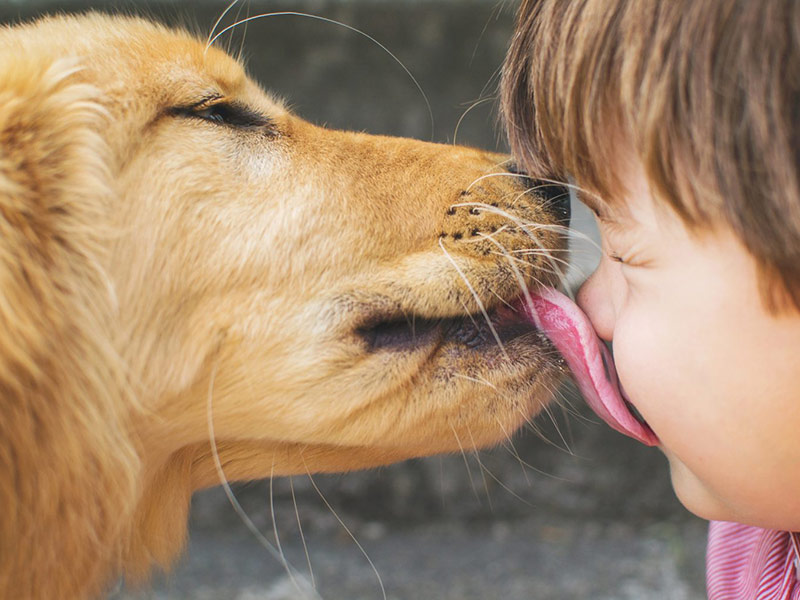
Household pets such as dogs, cats, birds and reptiles can all cause illness or pass parasites to people.
How to avoid diseases spread by pets
The most important thing is not to touch their waste (faeces and urine). After cleaning their enclosure, wash your hands carefully, and do not let children play near places where dogs or cats urinate.
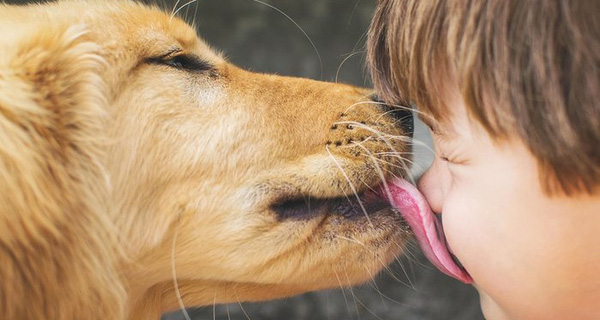
Many animal lovers kiss their pets or pass food to them mouth to mouth. This should be avoided.
If you are pregnant or your immune system is weakened, never clean a cat's litter box or toileting area, as you are at high risk of infection with Toxoplasma gondii, a protozoan parasite that lives in cats. Toxoplasmosis during pregnancy can seriously affect the foetus.
Reptiles also carry bacteria that can cause disease in people. If you own a reptile, always wash your hands thoroughly after handling it or touching its enclosure. The enclosure must be kept clean. The surrounding area and even the utensils used to clean it must also be washed regularly. Children under 5 and people with weakened immunity should not have direct contact with reptiles or items from their enclosures.
How to care for your pets
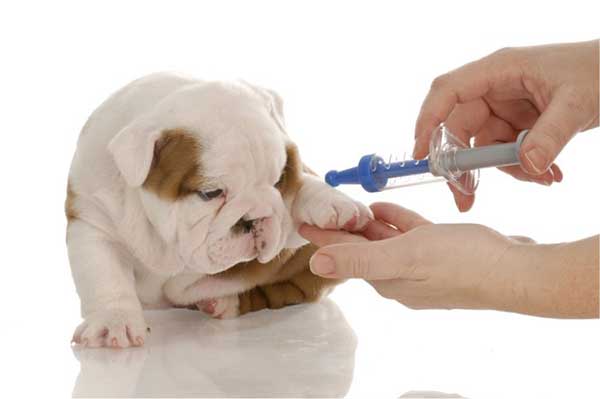
Your pets must be dewormed and vaccinated. This not only keeps them healthy but can also reduce the risk of disease passing to people.
It is also important to eliminate fleas and lice living on dogs and cats. They can spread to people, making both you and your pet itchy, uncomfortable or unwell.
Do not:
- Feed pets raw meat, and do not let dogs or cats chase and eat wild animals. This is how cats become infected with the toxoplasma parasite.
- Let them near animals that are sick or have not been vaccinated.
Children and pets
Supervise your child when they play with pets. Children often crawl on the floor around dogs and cats, kiss them, put their hands in the animals' mouths and then in their own, so young children are very easily infected.
Children are also often scratched or bitten by pets because they do not yet know how to handle animals. Teach your child how to interact with household pets and to avoid unfamiliar animals. To be safe, it is best not to keep pets in the house until your child is old enough.
Children under 5 should avoid contact with
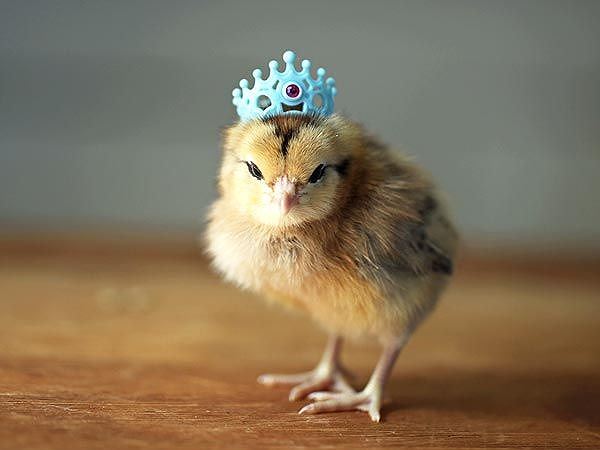
- Animals at zoos or farms
- Chicks
- Ducklings
- Amphibians (toads, frogs and so on)
- Reptiles (turtles, snakes, lizards and so on)
If you want a household pet, choose an adult dog or cat rather than a very young animal. Well cared-for animals generally carry a lower risk of catching and spreading disease. You will also avoid the damage to your home and belongings that puppies and kittens cause. Finally, do not bring a sick animal home, for the sake of your family and yourself.
MSc Vo Ngoc Thien An – via Community Medicine