
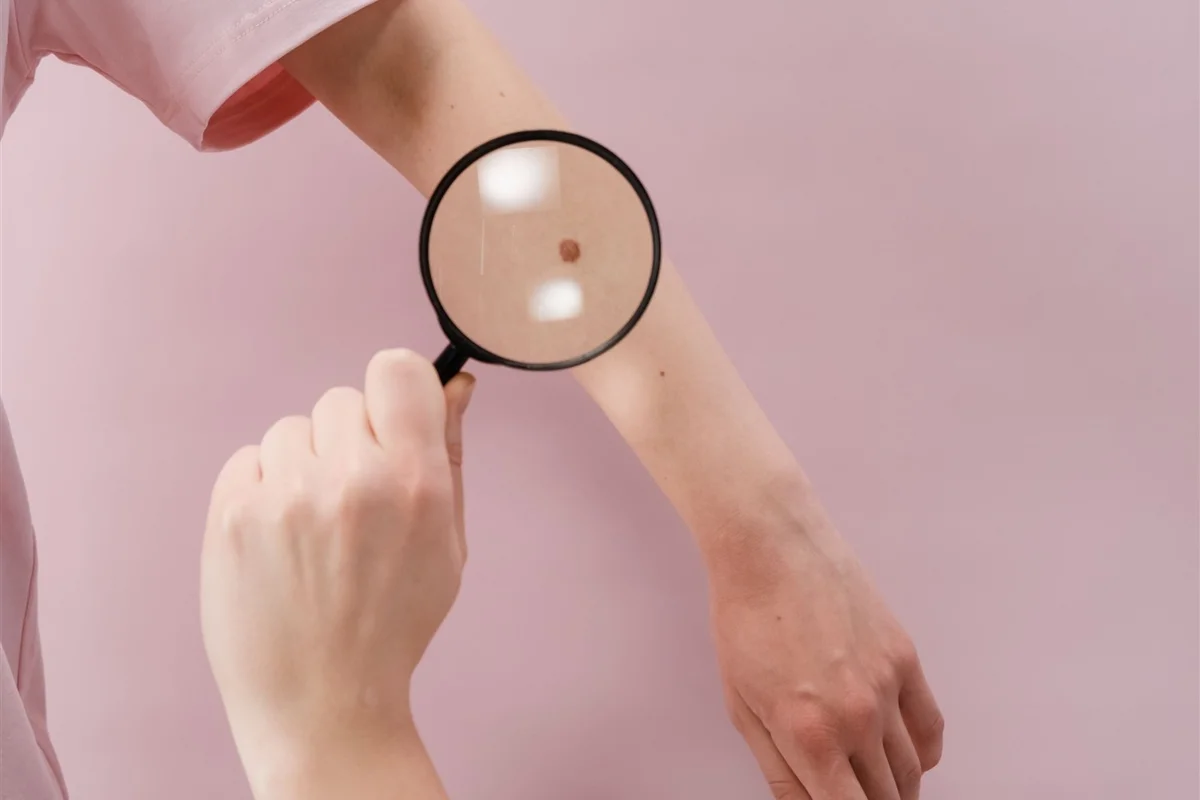
Warts, commonly known in Vietnamese as "rice grains," are rough skin growths caused by a virus. They can spread and become more widespread if you cut or pick them yourself. This article helps you recognize warts, prevent transmission, and know when you should see a doctor.
What causes warts?
Warts are caused by the HPV virus (certain strains that affect the skin) entering through small scratches, causing skin cells to overgrow into rough bumps. This is a benign skin condition, common in children, adolescents, and people with weakened immunity.
Common types of warts
- Common warts: rough, hard bumps, skin-colored or gray, often on the fingers, back of the hands, and around the nails.
- Plantar warts: thick, flat bumps with a small black dot in the center, painful when walking, easily mistaken for a callus.
- Flat warts: small bumps with a smooth, slightly raised surface, often on the face, forehead, and back of the hands, growing in clusters.
Are warts contagious?
Yes. Warts spread through direct contact with the wart or indirectly through towels, sandals, public bathroom floors, and swimming pools. A person can also spread the virus to other areas of skin by scratching, biting nails, or shaving over a wart.
Why should you not cut or burn warts yourself?
- Cutting, picking, or burning with incense, or applying homemade acid can easily cause bleeding, infection, and scarring.
- The virus can spread to surrounding skin, causing more warts to grow.
- Some other skin lesions may look like warts and need a doctor to differentiate them.
Preventing spread
- Do not scratch, pick, or bite warts; wash your hands after touching them.
- Do not share towels, sandals, nail clippers, or razors.
- Wear sandals when using public bathrooms or swimming pools.
- Keep your feet dry and change socks daily.
- Cover a wart with an adhesive bandage when swimming or playing sports.
When should you see a doctor?
You should see a doctor if warts spread widely, cause pain, are on the face, genital area, or around the nails; if a wart bleeds, changes color, or changes quickly; or if you have diabetes or a weakened immune system. The doctor will choose a treatment method suited to the location and number of warts. You can come in person during opening hours at Ky Hoa Medical Center, 266A - 268 3 Thang 2 Street, Hoa Hung Ward, Ho Chi Minh City. Hotline 028.3868.1097, Zalo 082.299.3377.