

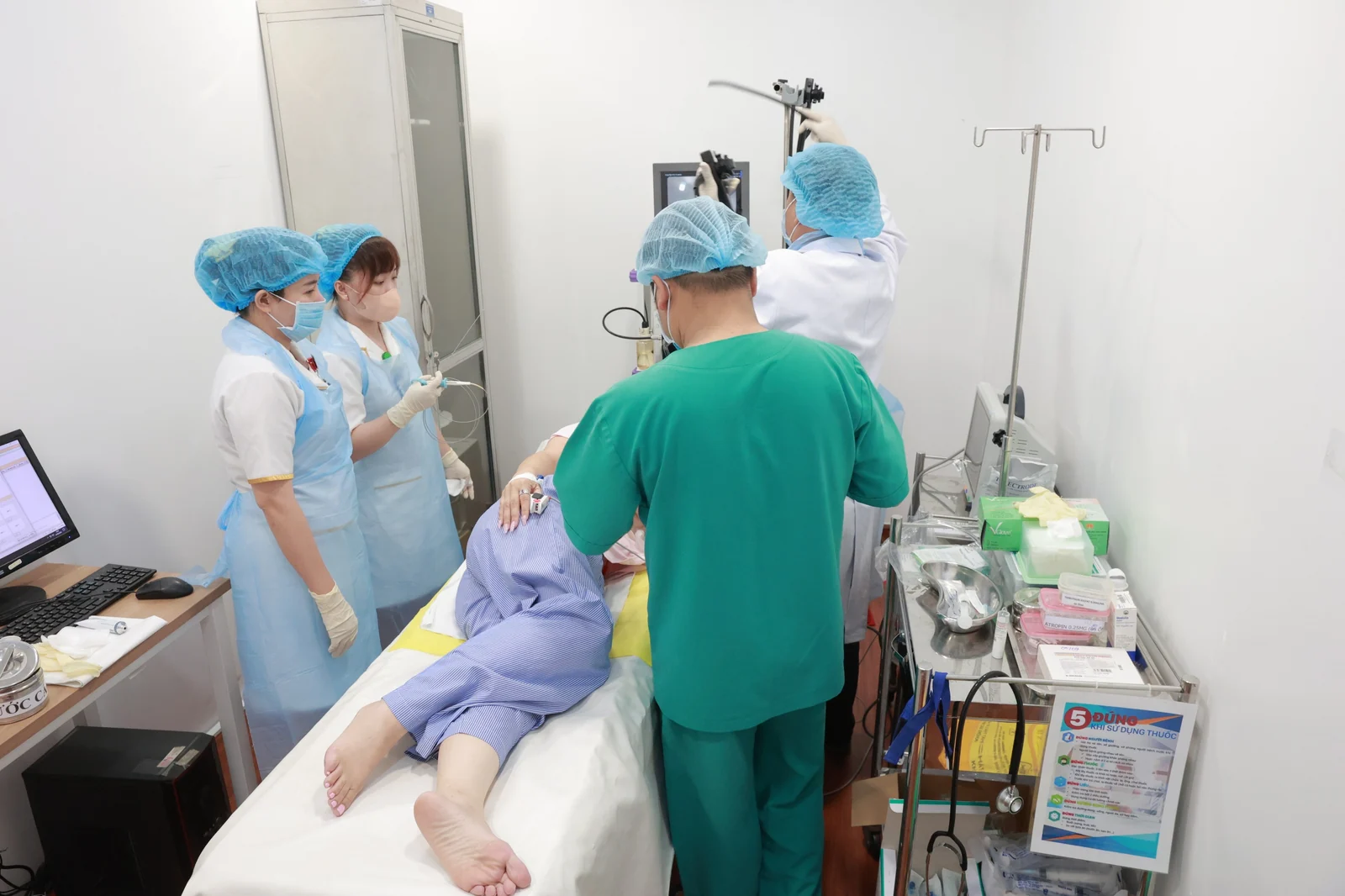
Most colon polyps are benign, but some types can turn into cancer over many years. Endoscopy finds them, and they can often be removed during the procedure.
A polyp is a growth that sticks out from the lining of the colon. Of particular note are glandular polyps (adenomas) and some serrated lesions, which can develop into cancer over time. So if you are told you have a polyp, there is no need to panic, but do not take it lightly either. Whether it needs removing depends on its location, shape, size, number, surface and type, and on the endoscopist's assessment.
Polyps are usually treated during the endoscopy
Most polyps can be removed through endoscopy, a common and minimally invasive approach that is usually carried out in the same session if it can be done safely. The removed polyp is sent for tissue examination (histopathology), which shows what type it is, how abnormal the cells are and whether the risk is high or low, so the doctor can advise when to have a follow-up endoscopy.
- Very small polyps with the features of hyperplastic polyps in the rectum or sigmoid colon: the doctor assesses them and decides case by case; they are not always removed right away.
- Large polyps, or those with suspicious or high-risk features: usually need to be removed endoscopically with a suitable technique, or the patient is referred to a specialist facility.
- Large polyps with a complex structure or suspected invasive cancer: need an experienced interventional endoscopist. Not every case requires open surgery or removal of a section of bowel.
Not every polyp becomes cancer
Some polyps gradually progress from precancerous lesions to cancer over many years, but the pace differs by person and by type, so there is no single timeline for everyone. Finding and removing risky polyps through endoscopy is considered an important, evidence-based measure to help prevent colorectal cancer. After removal, patients still need follow-up endoscopy as recommended, because new polyps can grow elsewhere.
The risk of polyps increases with age, if you have had polyps before, if family members have had polyps or colorectal cancer, or if you carry certain inherited syndromes. Lifestyle also plays a part: being overweight, inactivity, smoking, heavy drinking and a diet high in processed meat and low in fiber are all linked to the chance of developing colorectal cancer.
Do polyps cause symptoms
Most do not, and they are often found by chance during an endoscopy. Some people may notice:
- Bleeding when passing stools, or blood mixed in the stool.
- Prolonged constipation or diarrhea, or a change in bowel habits.
- Iron deficiency anemia from long-term blood loss, causing tiredness, pale skin and dizziness.
- Pain or discomfort in the abdomen, especially with large polyps.
These signs also occur in many other digestive conditions, so symptoms alone cannot tell you whether you have polyps.
What to do after polyp removal
Depending on the features of the lesion, during the endoscopy the doctor will take a biopsy sample or remove the polyp with a snare, by mucosal resection, or with more advanced techniques for large, complex lesions. If the pathology shows cancer within the polyp, the doctor will consider how deeply it has invaded and its tissue features to decide whether endoscopic removal alone is enough or further surgery is needed. Patients should not look for remedies on their own or put things off, but should return for follow-up on the dates the doctor advises.
Trusted clinic for colon polyps in Ho Chi Minh City
Ky Hoa Medical Center has nearly 20 years of experience in medical care in Ho Chi Minh City, with a team of highly qualified doctors and a careful, transparent way of working. For colon polyps, our Internal Medicine doctors take time to listen, examine carefully and explain clearly so that you fully understand your condition, then agree together on a treatment and follow-up plan.
Endoscopy is performed on site, so you can complete check-ups in one place, which makes follow-up visits easier.
The center operates under Operating License No. 00449/HCM-GPHĐ, with a list of medical techniques approved by the Ho Chi Minh City Department of Health (Decision 471/QĐ-SYT), and is a primary care facility contracted with Ho Chi Minh City Social Security, accepting health insurance (BHYT) visits on Saturdays as well. The practising certificates of our 24 doctors are published on our Doctors page.
If you have blood in your stool, long-lasting changes in bowel habits, or a family member who has had colorectal cancer, you can come to Ky Hoa Medical Center for an Internal Medicine consultation: simply walk in during opening hours and take a queue number. The doctor will advise you and order an endoscopy or suitable laboratory tests.
Ky Hoa Medical Center
Address: 266A - 268 3 Thang 2 Street, Hoa Hung Ward, Ho Chi Minh City
Opening hours: Monday to Saturday, 6:30 - 11:30 and 13:00 - 17:00 (closed on Sunday)
Hotline: 028.3868.1097
Source: Suc Khoe & Doi Song (Health & Life) newspaper