
Gynecology is the medical specialty that studies and treats diseases related to the female reproductive organs. Common gynecological conditions can affect a woman's health, fertility and quality of life if not detected and treated promptly.

1. Gynecological infections
- Vaginitis: usually caused by Candida fungi, bacteria or trichomonas parasites, with symptoms of itching, abnormal vaginal discharge and an unpleasant odor.
- Cervicitis: usually caused by sexually transmitted infections or irritation from chemicals, causing lower abdominal pain and abnormal bleeding.
- Adnexitis: affects the ovaries and fallopian tubes, causing pelvic pain, fever or difficulty conceiving.
2. Menstrual disorders
- Irregular menstruation: menstrual cycles that are too long, too short or irregular.
- Amenorrhea: absence of menstruation for a long period of time, due to hormonal disorders, stress or pituitary and ovarian conditions.
- Dysmenorrhea: severe abdominal pain during the menstrual cycle, which may be related to endometriosis.
3. Uterine fibroids
A benign tumor that develops in the uterine wall, commonly seen in women of reproductive age. Symptoms include prolonged or heavy bleeding, lower abdominal pain, or a feeling of heaviness and pressure in the pelvis.
4. Endometriosis
A condition in which endometrial tissue grows outside the uterus, causing pelvic pain, pain during intercourse or difficulty conceiving.
5. Polycystic ovary syndrome (PCOS)
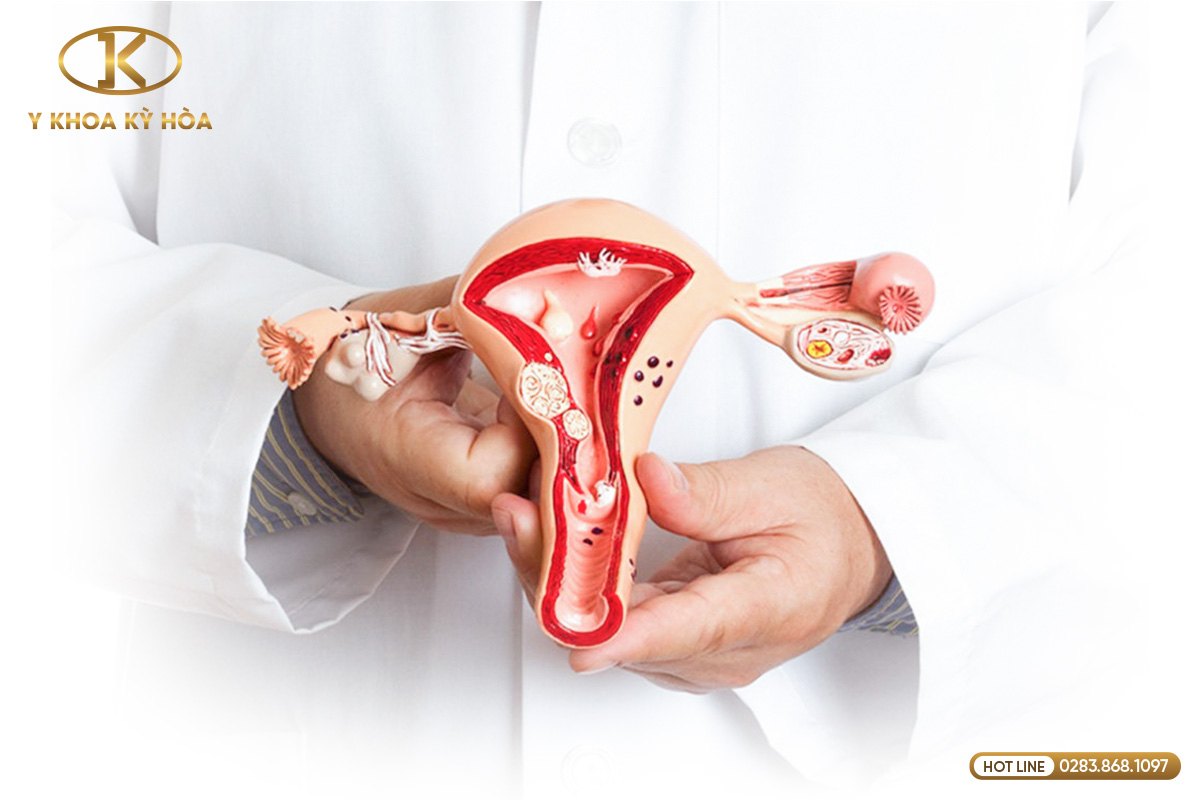
A hormonal disorder that causes the ovaries to develop many small follicles. The condition often causes irregular menstruation, excessive hair growth, weight gain and difficulty conceiving.
6. Gynecological cancers
- Cervical cancer: related to HPV infection, manifested by abnormal vaginal bleeding and pelvic pain.
- Ovarian cancer: causes bloating, indigestion, back pain or pelvic discomfort.
- Endometrial cancer: commonly seen in postmenopausal women with abnormal bleeding as a symptom.
7. Uterine prolapse
The uterus descends into the vagina due to weak pelvic floor muscles, often occurring after multiple births or prolonged heavy labor.
8. Bartholin's gland disorders
Bartholin's glands can become inflamed or form an abscess, causing pain, swelling and discomfort in the vulvar area.
9. Sexually transmitted infections (STIs)
- Gonorrhea, chlamydia: cause pelvic inflammatory disease and foul-smelling vaginal discharge.
- Genital herpes: causes sores and a burning pain in the vulvar area.
- Genital warts: warty growths caused by the HPV virus.
10. Menopause and related disorders
Declining estrogen levels during menopause can cause vaginal dryness, pain during intercourse, osteoporosis and psychological disorders.
Prevention and gynecological health care
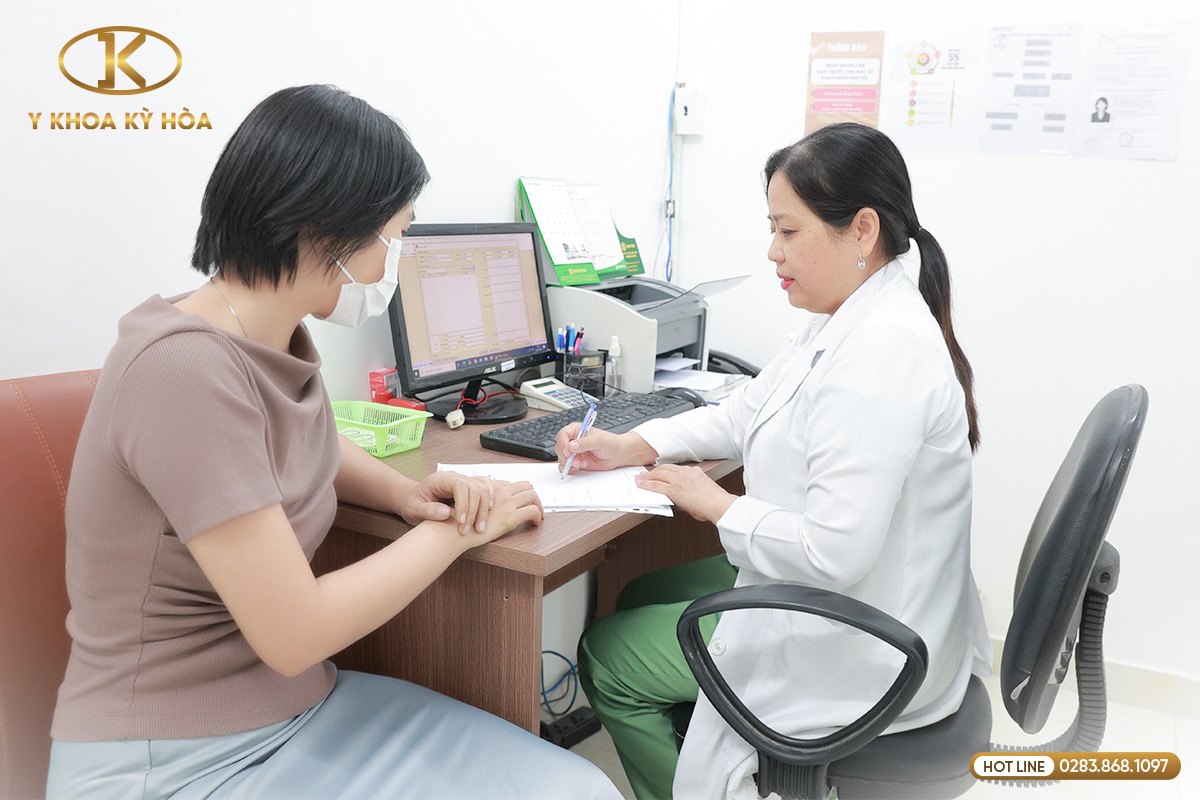
- Have regular gynecological examinations to detect underlying conditions early.
- Practice proper personal hygiene and use appropriate feminine hygiene solutions.
- Practice safe sex and get the HPV vaccine as advised by your doctor.
- Maintain a healthy lifestyle, balanced nutrition and stress management.
Early detection and treatment of gynecological conditions help protect health and maintain a better quality of life.
The Obstetrics and Gynecology Department of Ky Hoa Medical Center provides gynecological examinations, ultrasound and reproductive health counseling, with health insurance (BHYT) coverage. The information in this article is for reference only and does not replace a doctor's diagnosis and prescriptions.