
Constipation is very common in young children, mostly due to diet and toileting habits. This article helps parents recognize constipation, adjust things at home, and know when to take their child in for a check-up.
What counts as a child being constipated?
Each child has a different bowel pattern, so don't just count the number of times. Parents should think about constipation when their child:
- Has fewer than 3 bowel movements a week, with large, hard or lumpy stools like goat droppings.
- Strains in pain, cries when having a bowel movement, or is afraid to sit on the potty.
- Has streaks of fresh blood on the stool due to an anal fissure.
- Abdominal pain, poor appetite, bloating.
- Small amounts of stool soiling the underwear even without diarrhea, a sign that stool has been sitting in the intestines for a long time.
Why do children often get constipated?
- Eating few vegetables and fruits; drinking little water; drinking a lot of milk while eating little fiber.
- The transition to starting solid foods, weaning, or switching to a different type of milk.
- Holding in bowel movements because they are busy playing, are reluctant to use the toilet at school, or have been hurt before and are afraid.
- Little physical activity, sitting with phones or watching TV a lot.
- Changes in environment such as traveling away from home or starting school.
Most constipation in children is functional constipation, not caused by intestinal disease, and it improves with adjustments to daily routines.
What can parents do at home?
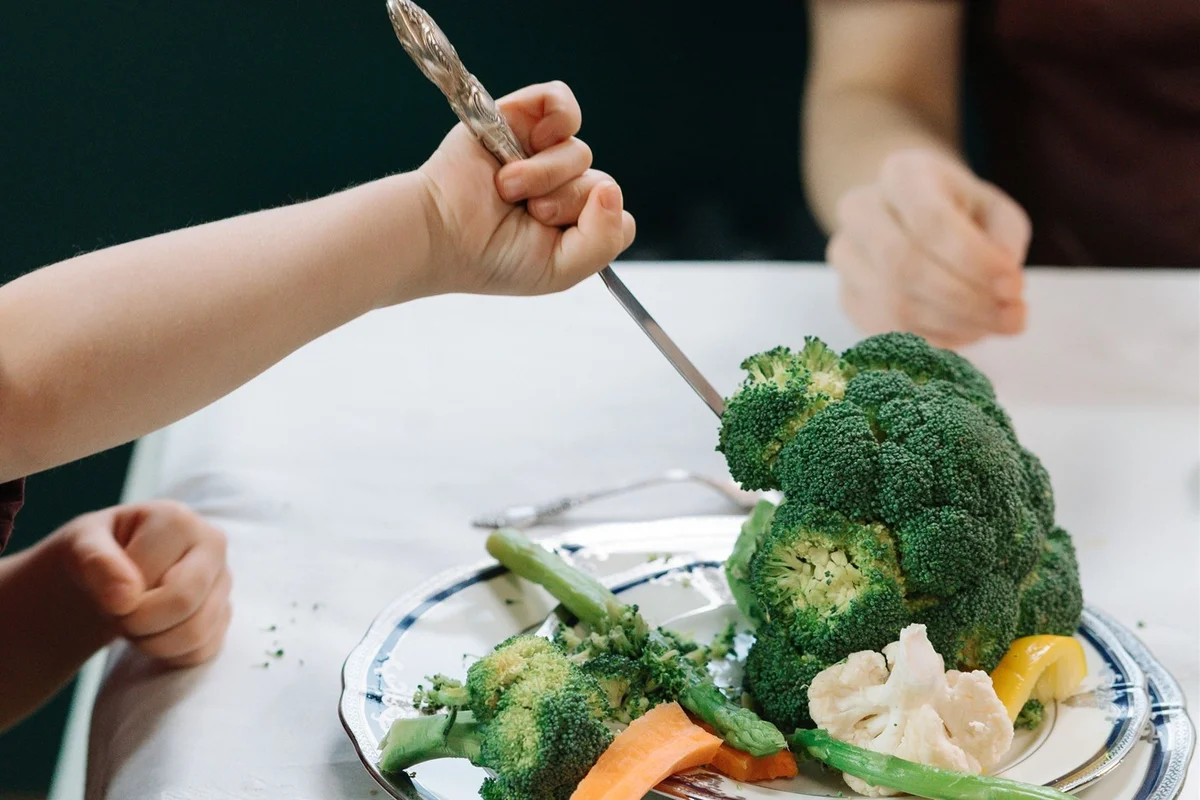
- Add more leafy greens, sweet potato, pumpkin, ripe bananas, papaya, and dragon fruit to your child's diet; make the changes gradually so your child gets used to them.
- Make sure your child drinks enough water, spread across many times during the day.
- Train your child to sit on the potty or toilet after meals for 5 to 10 minutes each day, with a footstool so it is easier to push.
- Praise your child when they have a bowel movement; don't scold or force them.
- Let your child run and play, and be active outdoors more.
- Gently massage the abdomen in a clockwise direction.
Parents should not use enemas, laxatives, or folk remedies such as inserting sticks or leaves into the anus on their own, as these can easily cause injury and make the child even more afraid of having a bowel movement.
When should you take your child to be examined?
- Constipation lasting more than 2 weeks despite dietary adjustments.
- A baby under 1 month old who is slow to pass meconium, or who is constipated right from the newborn period.
- A distended, swollen abdomen, vomiting, fever, refusing to feed, weight loss.
- Passing a lot of blood with bowel movements, or severe pain.
The doctor will examine your child to rule out medical causes and advise on management appropriate for your child's age. Parents can bring their child in for a direct examination during opening hours at Ky Hoa Medical Center, 266A - 268 3 Thang 2 Street, Hoa Hung Ward, Ho Chi Minh City, or call hotline 028.3868.1097, Zalo 082.299.3377 to ask beforehand about less busy times.