
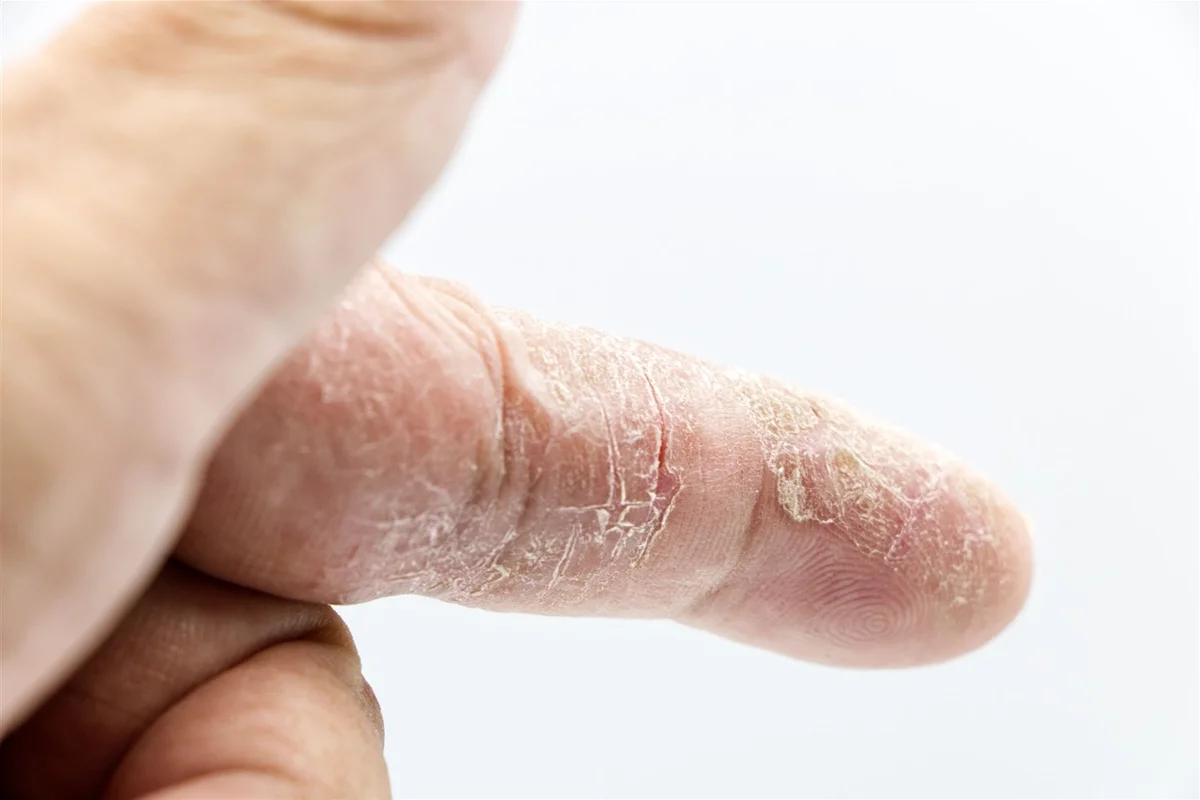
Dry, cracked, red, itchy hands after washing dishes, doing laundry, or using cosmetics may be contact dermatitis. This article helps you recognize the condition, find the triggers, and protect your skin every day.
What is contact dermatitis?
This is a condition in which the skin becomes inflamed after direct contact with a certain substance. There are two main types:
- Irritant contact dermatitis: detergents, soap, dishwashing liquid, cement, and chemicals damage the skin's protective layer. It is common among homemakers, hairdressers, factory workers, and healthcare workers who wash their hands many times a day.
- Allergic contact dermatitis: the body has an allergic reaction to a specific substance, such as metals in jewelry, belt buckles, hair dyes, perfumes, rubber, or certain creams and ointments.
Signs to recognize
- Red, itchy, or burning skin in exactly the area of contact.
- Dry skin, flaking, cracking, sometimes bleeding, especially at the fingertips and between the fingers.
- Small blisters that ooze fluid during acute inflammation.
- Over time, the skin becomes thickened and discolored.
For example: itchy redness of the earlobes when wearing earrings, the navel area when wearing a metal belt, and the scalp and forehead after dyeing hair.
Protecting your skin every day
- Wear gloves when washing dishes, doing laundry, or mopping the floor; wear cotton gloves inside rubber gloves.
- Wash your hands with warm water and a mild soap, and dry them thoroughly.
- Apply moisturizer several times a day, especially after washing your hands.
- Avoid contact with substances you know cause allergies for you; read cosmetic ingredients carefully.
- Test cosmetics and hair dyes on a small area of skin before use.
- Do not scratch and do not apply leaves or medicines of unknown origin yourself.
When should you see a doctor?
- The inflammation spreads widely, oozes fluid, develops pus, or is very painful.
- Severe itching that affects sleep and work.
- You have avoided the trigger and moisturized, but there is no improvement after 1 to 2 weeks.
- Dermatitis on the face, around the eyes, or in the genital area.
- You want to know exactly which substance you are allergic to.
You can come in for a direct examination during opening hours at Ky Hoa Medical Center, 266A - 268 3 Thang 2 Street, Hoa Hung Ward, Ho Chi Minh City. Hotline 028.3868.1097, Zalo 082.299.3377.