

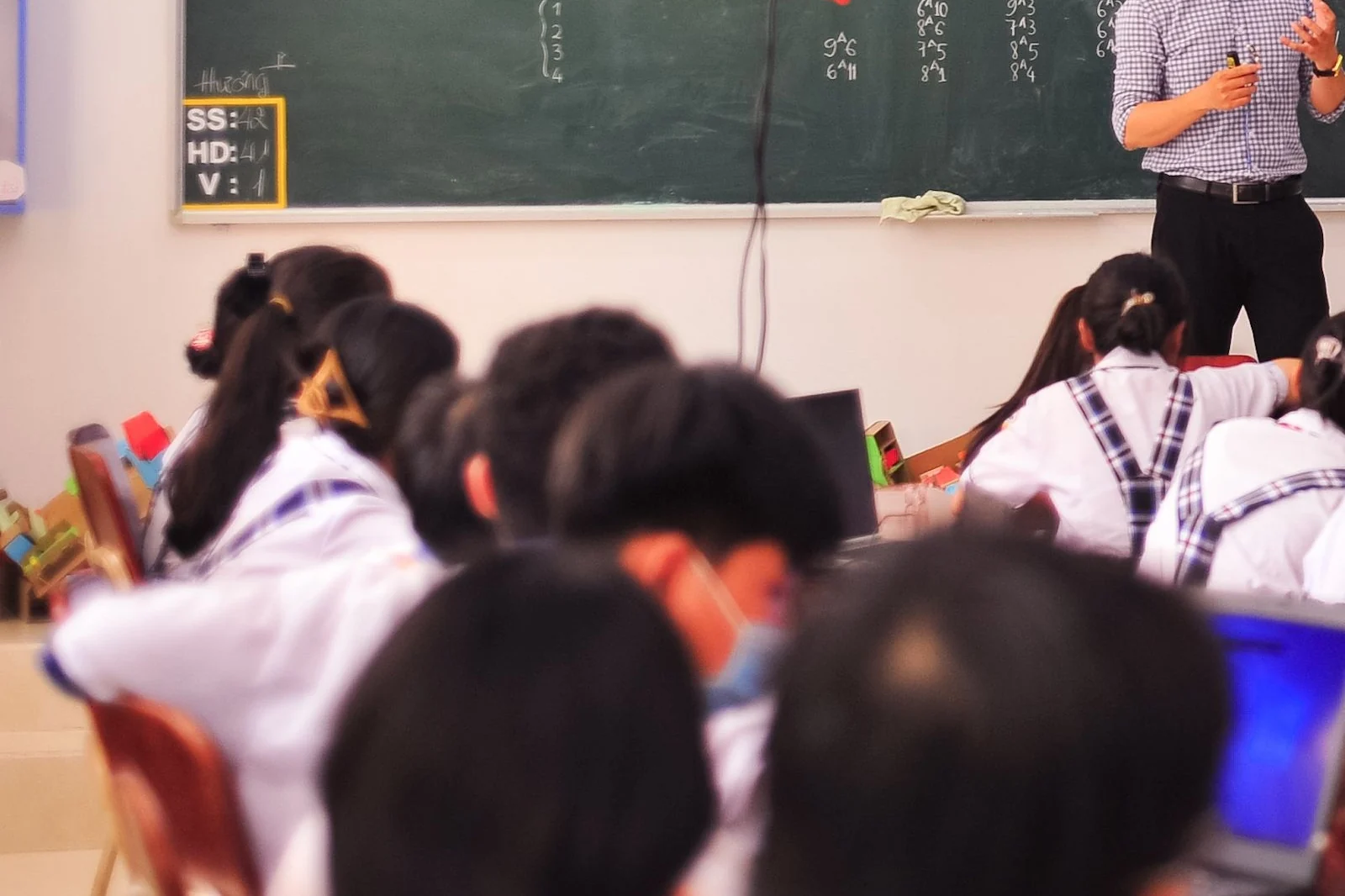
An eye exam before first grade can catch refractive errors and lazy eye early, helping your child see clearly and learn well from the very first school year.
When getting a child ready for first grade, parents usually think about school bags, uniforms and how their child will feel about starting school. According to eye specialists, there is one more thing worth adding to that list: taking your child for an eye exam and a vision test.
Why have an eye exam before first grade
In first grade, children start reading, writing and looking at the board for many hours a day. If an eye problem goes unnoticed, their learning is affected right away. During an exam, the doctor can spot eye abnormalities, especially refractive errors such as nearsightedness or congenital farsightedness. If these are missed early on, they can reduce a child's vision and limit what treatment can achieve later.
In reality, many families only take their child to the doctor when the child complains of not seeing the words on the board, or when the teacher reports that the child is struggling to keep up. By then, poor eyesight has often already got in the way of the child's learning and daily activities. In schools, quite a few children still start their first year without ever having had an eye check.
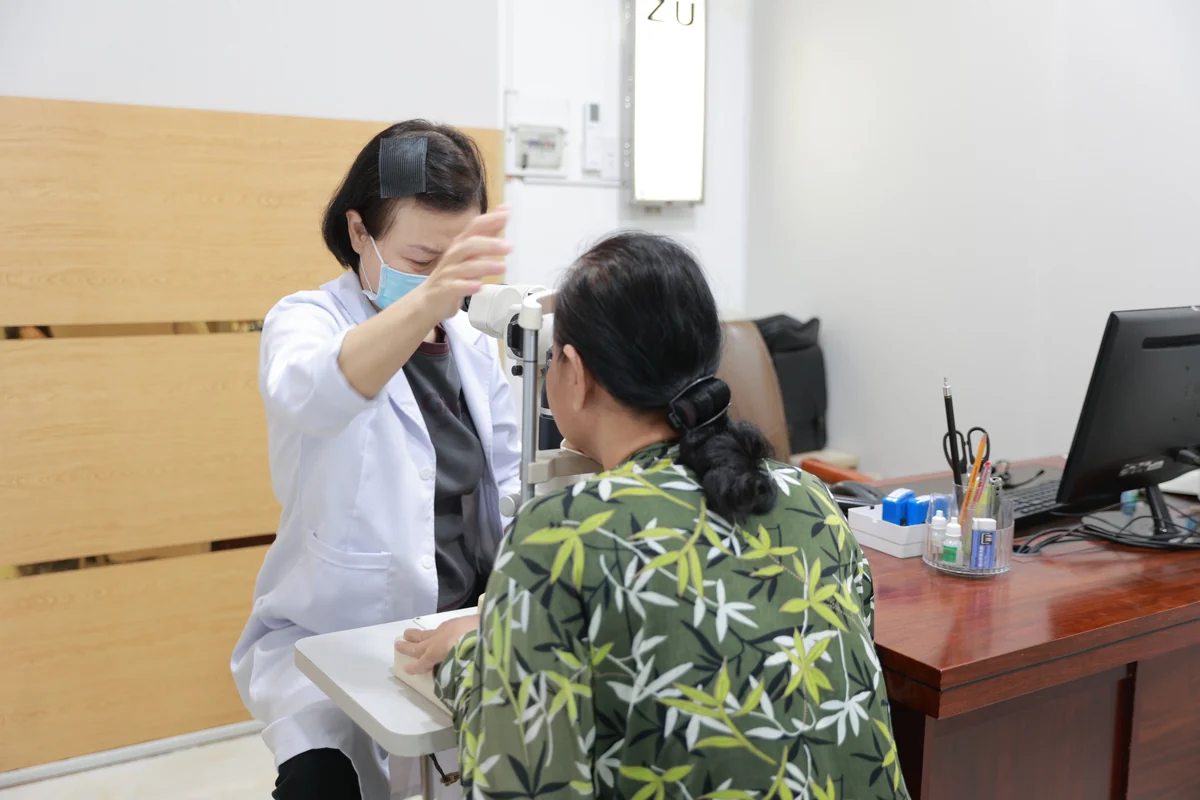
The earlier lazy eye is found, the better
With lazy eye (amblyopia), timing matters a great deal. When it is found at the right age, a child has more treatment options and usually responds well. Once a child is around 8-9 years old, treatment results may be noticeably poorer, and improving vision becomes much harder.
That is why the time before first grade is considered a good moment to have a child's eyes checked, even if the child has not complained about anything.
Signs your child may have an eye problem
Parents do not need to wait for their child to say things look blurry. Take your child for an eye exam early if you notice signs such as:
- Often squinting, tilting the head or leaning in close to look at things.
- Frequently rubbing the eyes or blinking constantly.
- Holding books close to the face, or having trouble seeing the words on the board.
- Red or painful eyes that do not go away, unusually watery eyes, or sensitivity to light.
- Seeing double, or eyes that do not appear to be aligned.
If your child suddenly cannot see clearly or loses vision, has severe eye pain or has been hit in the eye, take them to the doctor right away; do not put in eye drops on your own and do not wait.
Even if your child shows no signs at all, it is still a good idea to have their eyes checked at the first-grade milestone and then rechecked regularly as the doctor advises. This is all the more important if someone in the family is nearsighted, or if your child often uses electronic devices and does a lot of close-up work.
Habits that help protect your child's eyesight
Alongside eye exams, everyday habits play an important part in helping children limit school-age nearsightedness:
- Sit with good posture when studying, keep the eyes about 25-30cm from books, make sure the study area is well lit, and choose a desk and chair that suit the child's height and age.
- Limit time spent on phones, computers, television and video games, especially activities that require looking at things up close for a long time.
- Let your child spend more time outdoors: at least 2 hours a day, or about 10 hours a week.
- Eat a nutritious diet, get enough sleep, and balance study time with breaks.
Parents should also pay attention to small changes in how their child looks at things. Regular eye exams help you know early whether your child has a refractive error, how their vision is changing, and whether their glasses have the right prescription and are being worn properly.
Trusted clinic for children's eye checks in Ho Chi Minh City
Ky Hoa Medical Center has nearly 20 years of experience in medical care in Ho Chi Minh City, with a team of highly qualified doctors and a careful, transparent way of working. For children's eye checks, our Ophthalmology doctors take time to listen, examine carefully and explain clearly so that you fully understand your child's condition, then agree together on a care and follow-up plan.
The center operates under Operating License No. 00449/HCM-GPHĐ, with a list of medical techniques approved by the Ho Chi Minh City Department of Health (Decision 471/QĐ-SYT), and is a primary care facility contracted with Ho Chi Minh City Social Security, accepting health insurance (BHYT) visits on Saturdays as well. The practising certificates of our 24 doctors are published on our Doctors page.
If your child is about to start first grade or has any of the signs above, simply walk in during opening hours and take a queue number at Ky Hoa Medical Center, where an Ophthalmology doctor will check your child's vision and advise on caring for their eyes.
Ky Hoa Medical Center
Address: 266A - 268 3 Thang 2 Street, Hoa Hung Ward, Ho Chi Minh City
Opening hours: Monday to Saturday, 6:30 - 11:30 and 13:00 - 17:00 (closed on Sunday)
Hotline: 028.3868.1097
Source: Suc Khoe & Doi Song (Health & Life) newspaper