
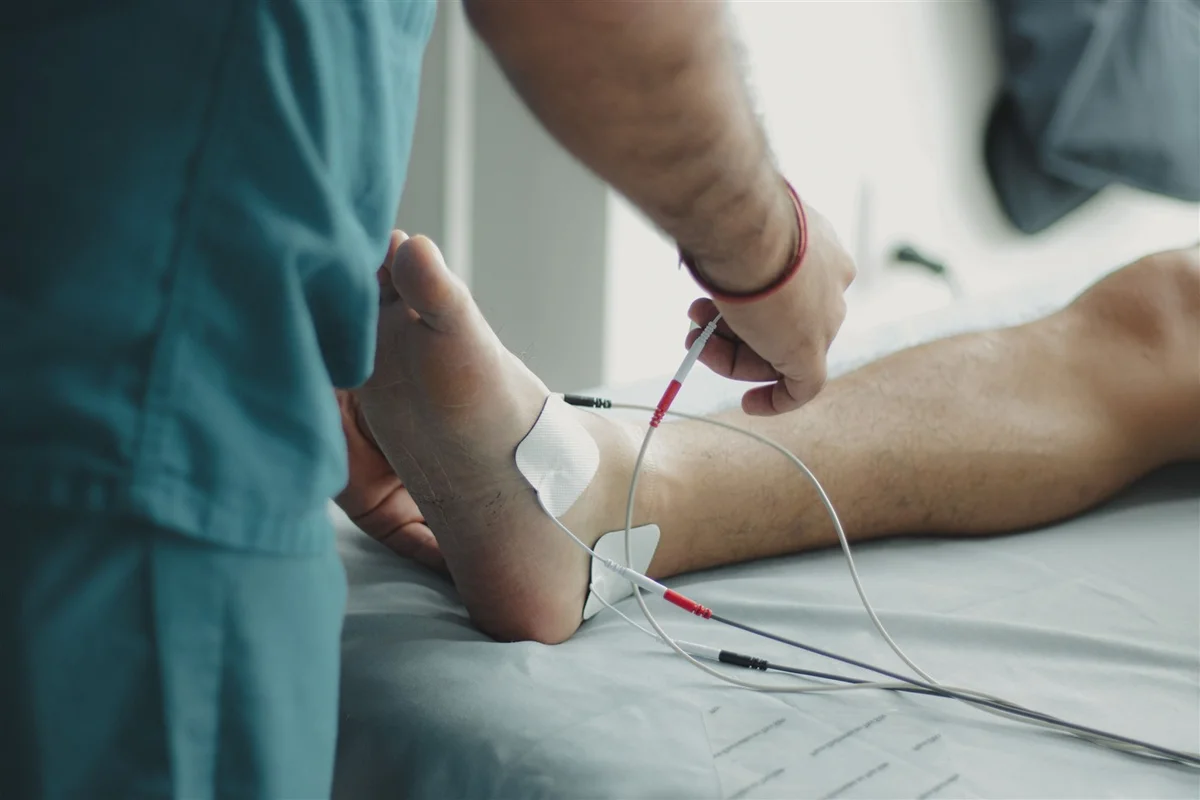
People with diabetes are prone to foot injuries without realizing it; even a small scratch can become a slow-healing ulcer. This article guides you on how to check and care for your feet every day.
Why are the feet of people with diabetes prone to problems?
- Nerve damage: prolonged high blood sugar causes numbness in the feet, reduced sensation, so stepping on a nail or getting burned causes no pain.
- Reduced blood flow: blood vessels in the feet narrow, making wounds difficult to heal.
- Weakened resistance means wounds are easily infected and spread quickly.
Therefore, foot care is an important part of diabetes management, no less important than taking medication and eating well.
Signs to watch for
- Numbness, tingling, or burning in the feet, especially at night.
- Dry, cracked skin on the heels; thick calluses.
- Cold feet, with skin turning bluish-purple or pale.
- Scratches, blisters, ingrown nails.
- Ulcers, redness, discharge, or a foul odor: see a doctor immediately.
What to do every day
- Look closely at both feet every evening, including the soles and between the toes; use a mirror or ask a family member if you have trouble bending down.
- Wash your feet with warm water (test with your elbow, not your feet), and dry thoroughly between the toes.
- Apply moisturizer to the top of the feet and heels, not between the toes.
- Trim nails straight across, not too close to the corners; do not cut ingrown nails, pick at calluses, or cut off dead skin yourself.
- Wear clean, soft socks; do not go barefoot, even indoors.
- Choose well-fitting shoes with a wide toe box and soft soles; check inside the shoes before putting them on.
- Do not soak your feet in hot water, do not apply heat, and do not use herbal compresses.
Manage underlying conditions
- Keep your blood sugar stable according to the targets set by your doctor.
- Quit smoking, as smoking narrows the blood vessels in your feet.
- Control blood pressure and blood lipids; exercise regularly.
- Have your feet examined regularly at least once a year, and more often if you already have numbness or have had an ulcer.
If you have a wound on your foot that has not healed after a few days, is red and swollen, or you have a fever, you should see a doctor right away. You can come in person during opening hours at Ky Hoa Medical Center, 266A - 268 3 Thang 2 Street, Hoa Hung Ward, Ho Chi Minh City. Hotline 028.3868.1097, Zalo 082.299.3377.