

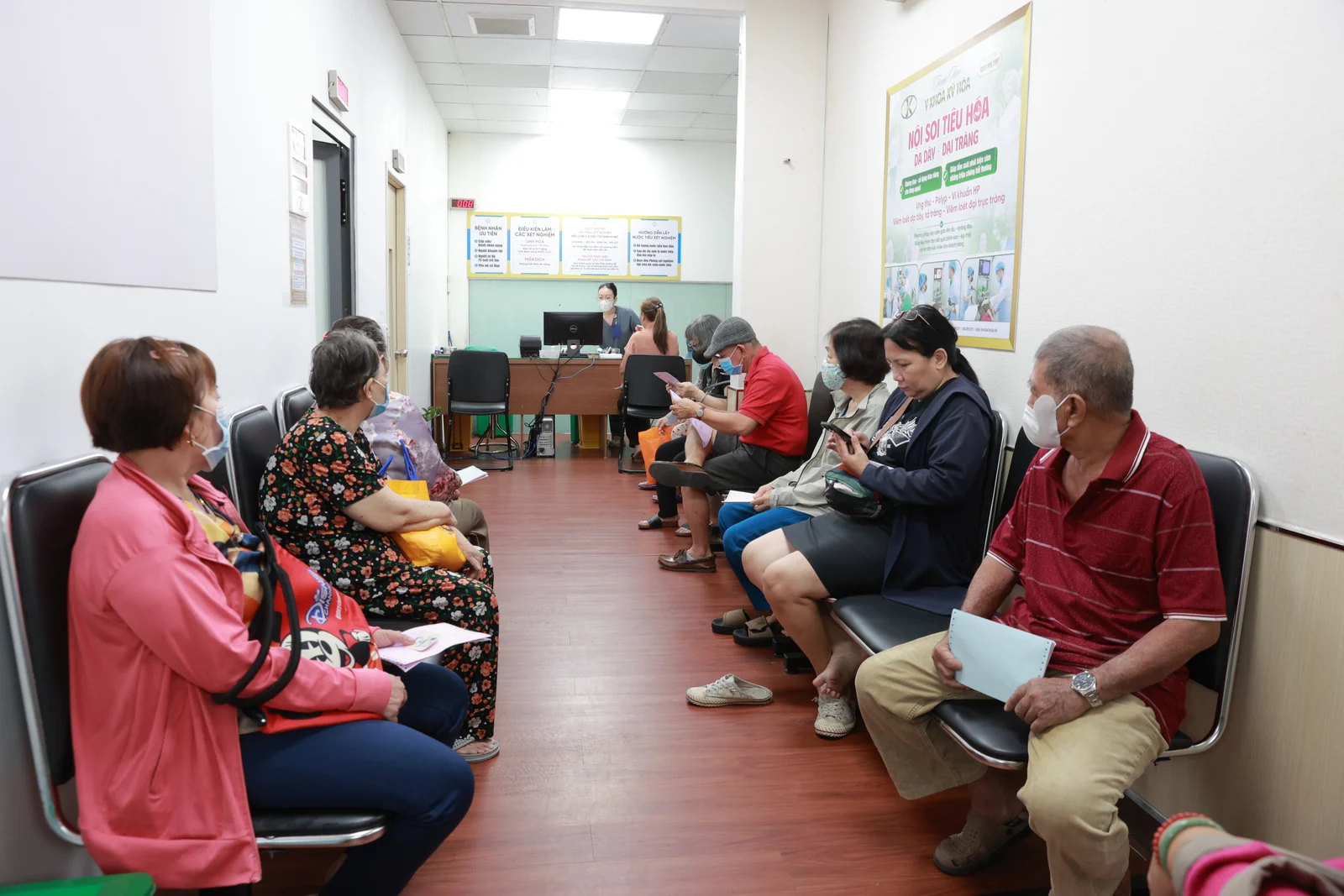
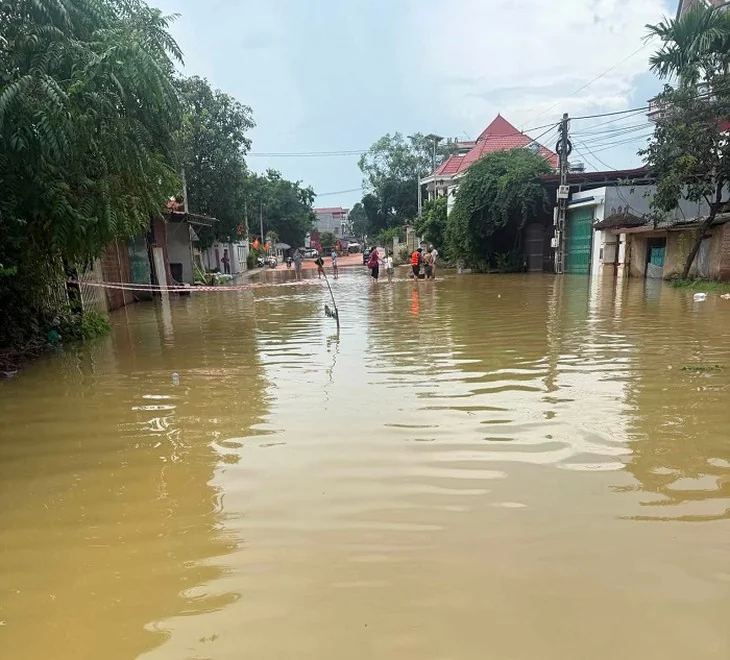
Storms and floods raise the risk of dengue fever, skin diseases, diarrhea and pink eye. Knowing how to prevent them keeps families safe during and after floods.
Floodwater, garbage and long-lasting damp conditions allow germs to spread quickly. So besides cleaning up after a flood, every family should pay attention to keeping the home clean, eating and drinking safely, and preventing disease throughout the flood season and after the water has gone down.
Dengue fever
After storms, there are often many containers holding water and stagnant puddles around the house, which are ideal places for the mosquitoes that carry dengue fever to lay eggs and multiply. The risk of the disease can therefore rise during and after the rainy season.
- Clear away anything that can collect water around the house.
- Water containers must have tight-fitting lids; clean the house regularly.
- Sleep under a mosquito net, and use other suitable ways to avoid mosquito bites.
Skin diseases
When you have to wade through dirty water or stay in mud for days, the skin is prone to scabies, athlete's foot, impetigo, dermatitis, folliculitis or itchy rashes. Limit direct contact between your skin and dirty water; if you have to work in flooded areas, wear protective gear. After each time you wade through water, wash your body thoroughly and dry it well, especially between the fingers and toes.
Acute diarrhea and digestive diseases
This group of diseases tends to increase after floods, mostly because of contaminated water or food. The cause may be bacteria, viruses or parasites. When hygiene is poor, diseases such as typhoid, cholera and dysentery can also break out.
People usually have loose stools, stomach pain, nausea and vomiting, sometimes with a fever. Frequent diarrhea and heavy vomiting without enough fluid replacement lead to dehydration and electrolyte imbalance. Young children and older people are the two groups that need the closest monitoring.
Pink eye
The disease spreads quickly in crowded places, where clean water is scarce and hygiene is hard to maintain. During floods, contact with dirty water raises the risk even further. Keep your hands and eyes clean, and do not share face towels, washbasins or personal items with someone who has it. If your eyes are red, have a lot of discharge, hurt or your vision becomes blurry, see a doctor for treatment advice.
Keeping the whole family safe during and after floods
- Eat cooked food, drink boiled water and choose safe food. Throw away any food that has been touched by floodwater or smells spoiled or has gone bad.
- Wash your hands with soap before cooking, before meals and after using the toilet.
- Keep your water source clean: after flooding, scrub water tanks, wells and water containers, and disinfect the water as instructed by health authorities.
- Clean up as the water recedes: collect garbage, dispose of animal carcasses, and wash the house and living areas.
- When cleaning up, wear gloves, rubber boots and protective clothing, and avoid direct skin contact with mud, dirty water and waste.
- Get rid of mosquito breeding sites, sleep under a net and prevent mosquito bites.
- Do not take any medicine on your own, including medicine for diarrhea, unless a health worker has advised you to.
Trusted clinic for rainy-season and flood-related illnesses in Ho Chi Minh City
With nearly 20 years of experience and a team of highly qualified doctors, Ky Hoa Medical Center is a familiar choice for many families in Ho Chi Minh City when they need care for rainy-season and flood-related illnesses. Here, our Internal Medicine, Pediatrics, Dermatology and Ophthalmology specialists take time to listen, examine carefully and explain clearly so that you fully understand your condition, then agree together on a treatment and follow-up plan.
Laboratory tests is performed on site, so you can complete check-ups in one place, which makes follow-up visits easier.
The center operates under Operating License No. 00449/HCM-GPHĐ, with a list of medical techniques approved by the Ho Chi Minh City Department of Health (Decision 471/QĐ-SYT), and is a primary care facility contracted with Ho Chi Minh City Social Security, accepting health insurance (BHYT) visits on Saturdays as well. The practising certificates of our 24 doctors are published on our Doctors page.
When someone has difficulty breathing, a high fever, repeated vomiting, frequent diarrhea, a rash, sore eyes or symptoms that keep getting worse, they need to see a doctor early rather than treating themselves at home for a long time. Simply walk in during opening hours and take a queue number at Ky Hoa Medical Center, where doctors in Internal Medicine, Pediatrics, Dermatology or Ophthalmology will examine the patient and order suitable laboratory tests when needed.
Ky Hoa Medical Center
Address: 266A - 268 3 Thang 2 Street, Hoa Hung Ward, Ho Chi Minh City
Opening hours: Monday to Saturday, 6:30 - 11:30 and 13:00 - 17:00 (closed on Sunday)
Hotline: 028.3868.1097
Source: Suc Khoe & Doi Song (Health & Life) newspaper