
As the rainy season arrives, households in the neighborhood remind one another to empty the water jars and change the flowers on the ancestral altar. Some aunts and uncles say that even when the whole family is well, just one week of fever can leave everyone exhausted, and the children and grandchildren have to take turns caring for them.
Dengue fever is nothing unfamiliar; it comes around every year. Yet the part we can take the initiative on most lies in very small things around the house: a water jar with its lid on, a plant pot with no standing water, an old tire behind the house.
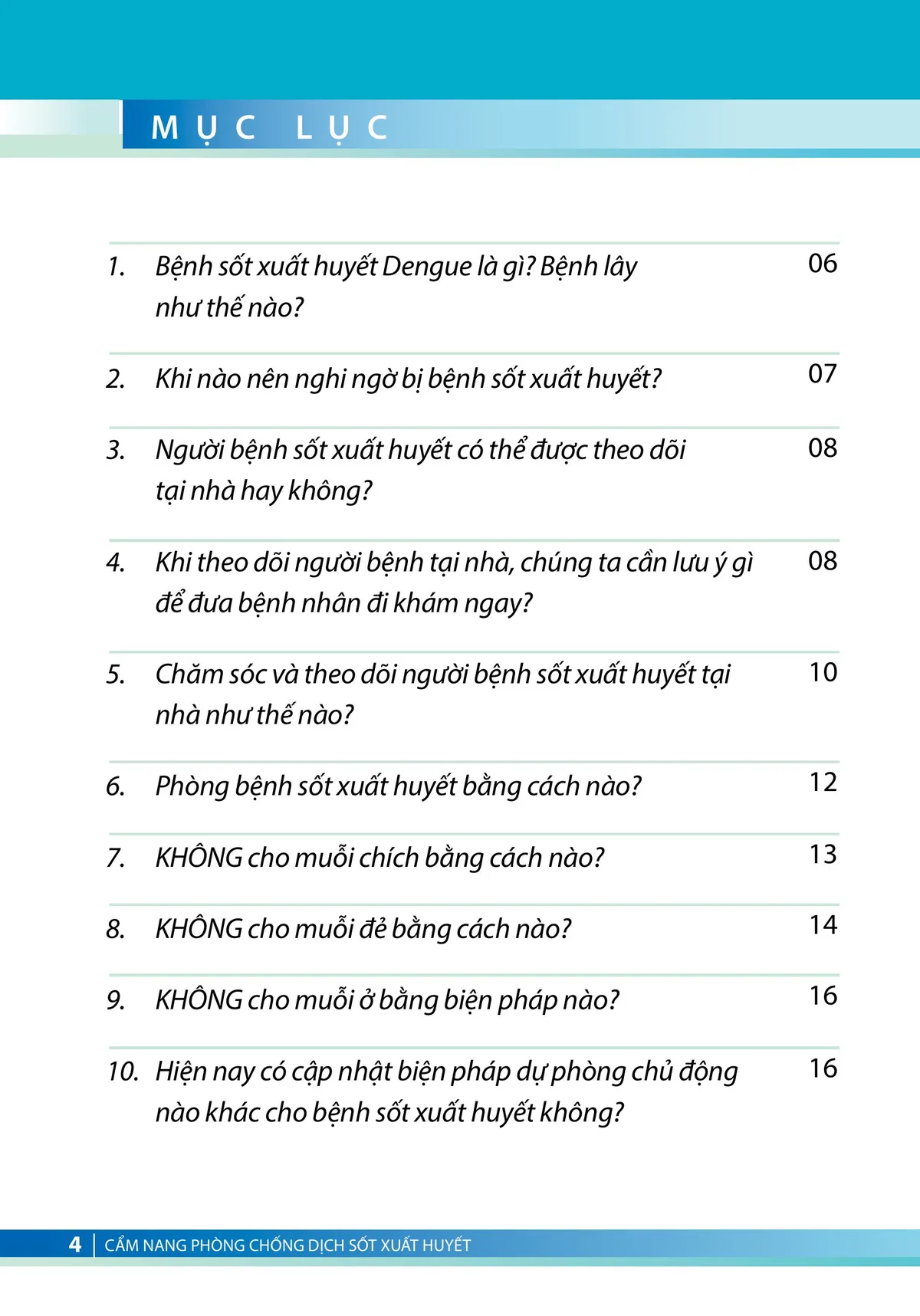
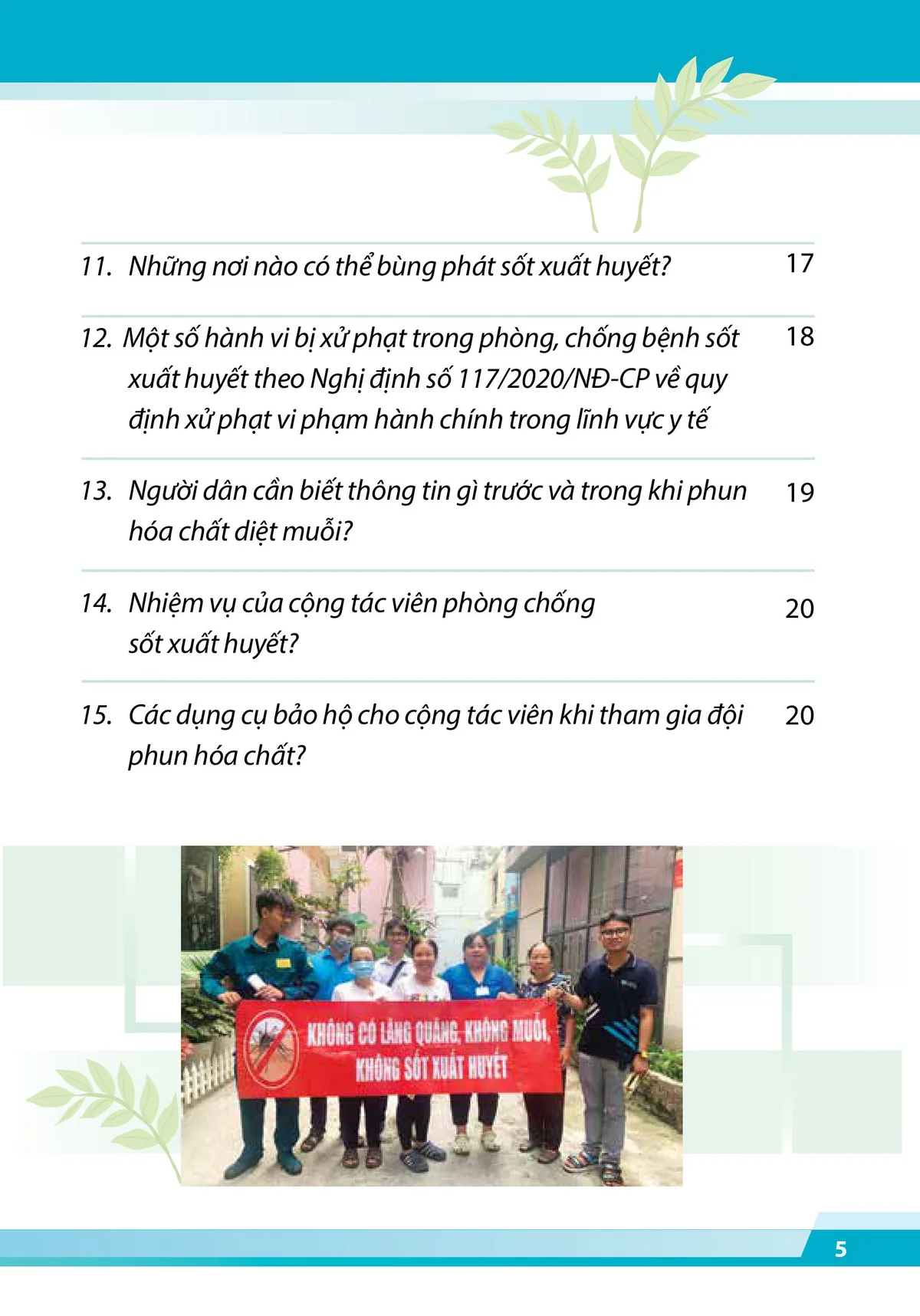
The Ho Chi Minh City Center for Disease Control (HCDC) has compiled Handbook on Dengue Fever Prevention and Control for community health collaborators. The document is written in question - answer form and is concise, so aunts, uncles and older siblings at home can read and follow it easily.
What the handbook contains
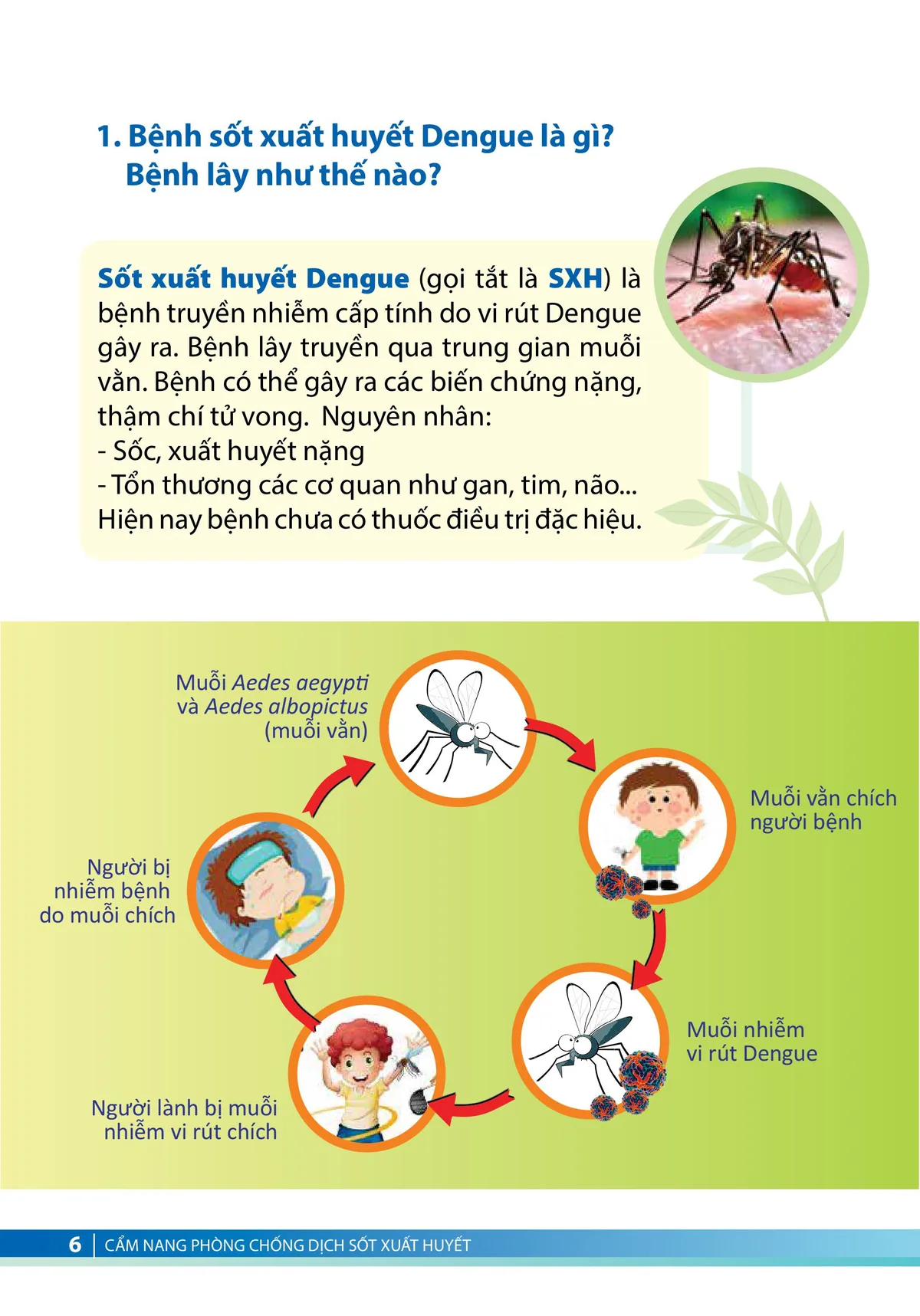
- General knowledge about dengue fever: signs, routes of transmission, disease progression
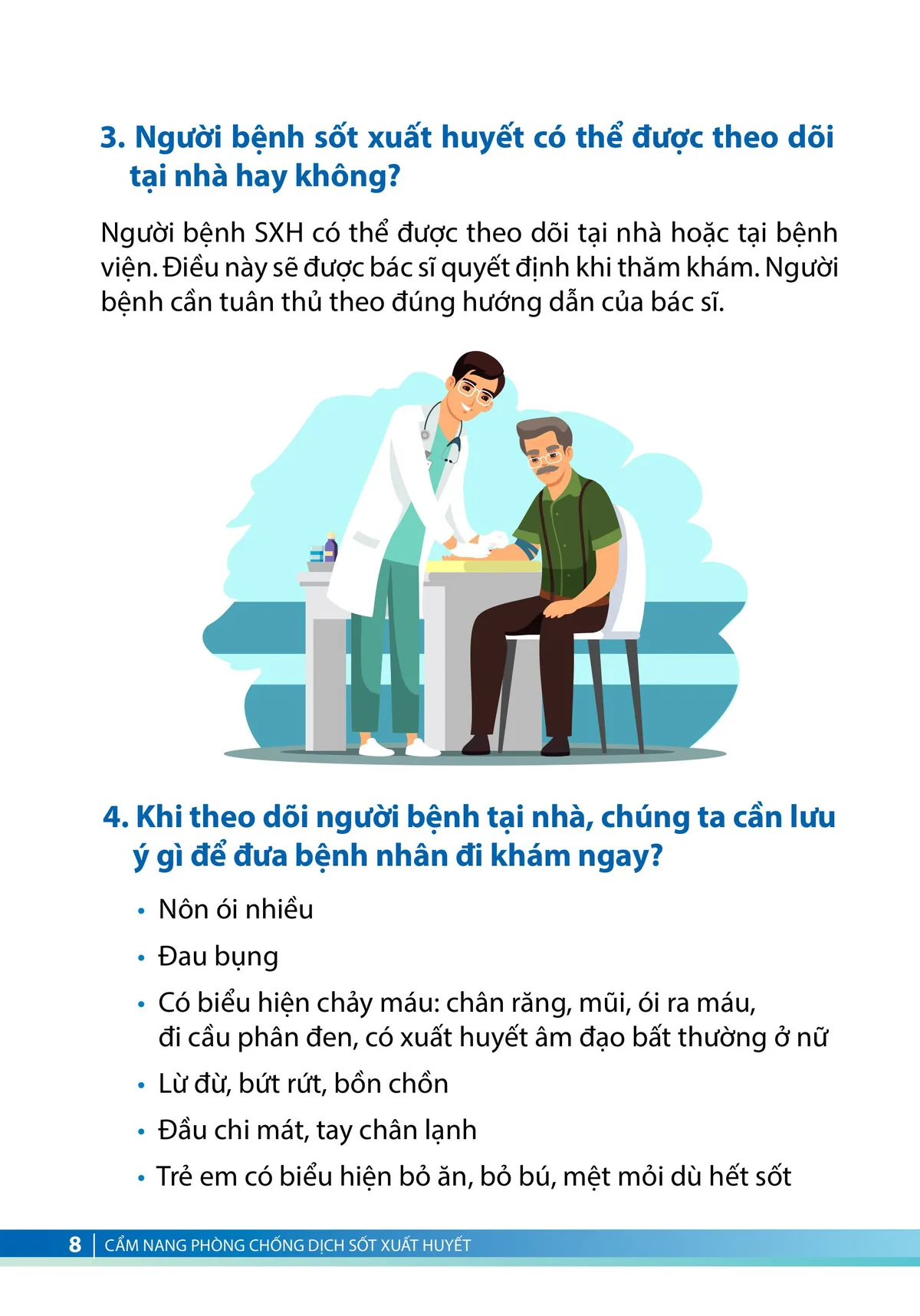
- When a patient can be monitored at home, and when they need to be taken for a medical examination right away
- How to kill mosquitoes and mosquito larvae in households and in the neighborhood
- Suggested communication content for community health collaborators
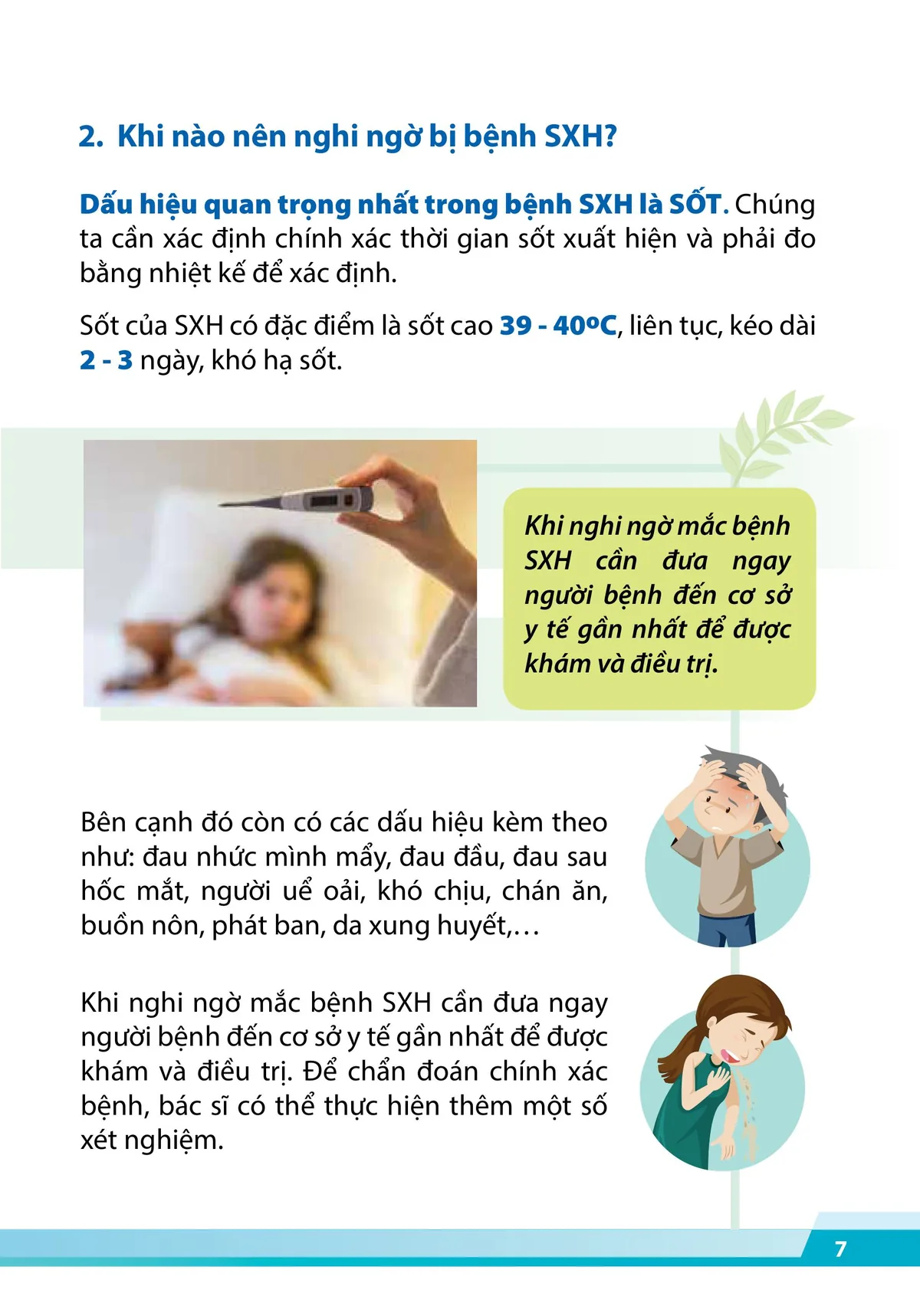
Signs that require taking the patient for examination immediately
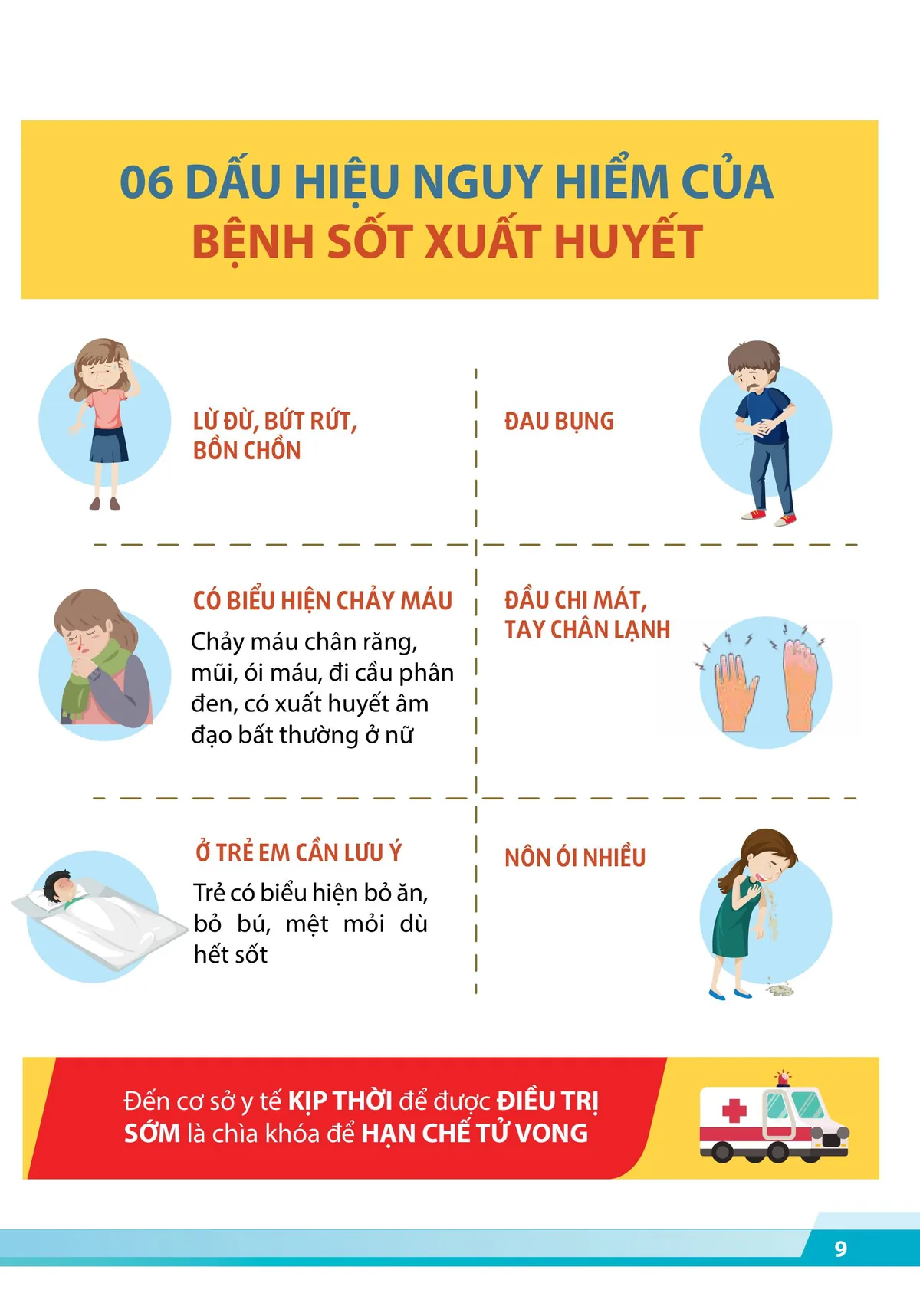
The handbook notes several symptoms that should not be waited on:
- Repeated vomiting, abdominal pain
- Signs of bleeding: bleeding gums, nosebleed, vomiting blood, black stools, abnormal vaginal bleeding in women
- Drowsy, restless, agitated
- Cool extremities, cold hands and feet
- Children refusing to eat or breastfeed, fatigued even after the fever has gone
If someone in the house has a fever and any of the above signs appear, please take the patient for an early examination so the doctor can monitor them in time.
Small tasks you can do every week
The handbook emphasizes a simple point: the Aedes mosquito lays its eggs in clean standing water in and around the house, so clearing all standing water cuts the life cycle of the larvae. Spending ten minutes each week walking around the house and turning upside down anything that can hold water already helps protect the whole neighborhood.
Download the handbook as a PDF (20 pages)
Source: Ho Chi Minh City Center for Disease Control (HCDC). Ky Hoa Medical Center reposts it so that aunts, uncles and older siblings can easily look it up.