

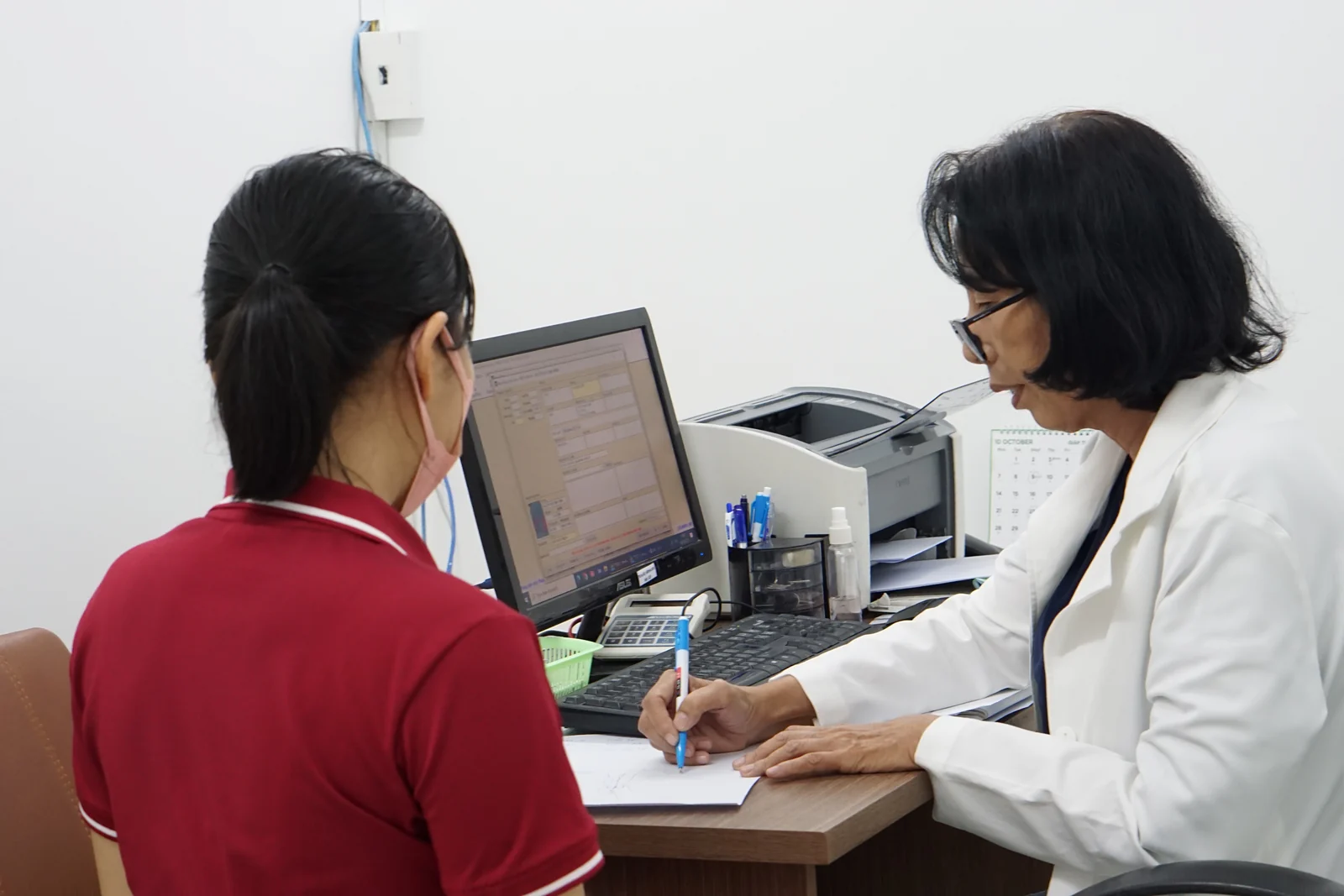
Itching, unusual discharge, pain during sex or burning when urinating may signal a gynecological infection. Early checkups help find the cause and treat it.
Why it is hard to self-diagnose
Inflammation may be limited to the outer parts such as the vulva, vagina and cervix, or it may spread deeper to the uterus and fallopian tubes. There are many causes: yeast, parasites, an imbalance of vaginal bacteria or sexually transmitted infections. So discomfort alone is not enough to tell what the problem is or how serious it is. When symptoms last, keep coming back or come with fever or pelvic pain, women should see a doctor.
Signs in the intimate area
- Itching, pain, burning: common with yeast infections, vaginitis or some other conditions. If the itching and burning persist, keep coming back or make daily life uncomfortable, see a doctor.
- Unusual discharge: a change in color, an odor, more discharge than usual, thicker or thinner than before, or frothy. This may be a sign of infection, but sometimes it is not inflammation, so a doctor needs to look at it together with other symptoms.
- Pain or burning during intimacy: may be caused by inflammation of the vagina or cervix, or by a pelvic condition; do not dismiss it if it happens repeatedly.
- Bumps, sores, growths: these have many causes, including sexually transmitted infections. Do not guess the condition yourself or apply medicine on your own, as this can easily change how the condition looks.
- Abnormal bleeding: bleeding after sex, between periods or very different from your usual cycle needs to be checked; the cause may not be inflammation alone.
Whole-body and urinary signs
- Lower abdominal pain: if it comes with fever, pain during sex, bleeding between periods or unusual discharge, it may be pelvic inflammatory disease, which needs early treatment.
- Fever, tiredness: together with lower abdominal pain, foul-smelling discharge or pain during intimacy, these may show the infection has spread to the upper reproductive tract. If you have a high fever or a lot of pain, see a doctor right away.
- Painful, frequent urination: may be due to a urinary tract infection, a gynecological condition or a sexually transmitted infection, so do not buy medicine yourself before the cause is clear.
- Changes in periods: may be due to stress, hormones, the thyroid, medication side effects or gynecological conditions; do not assume it is inflammation.
Effects on reproductive health
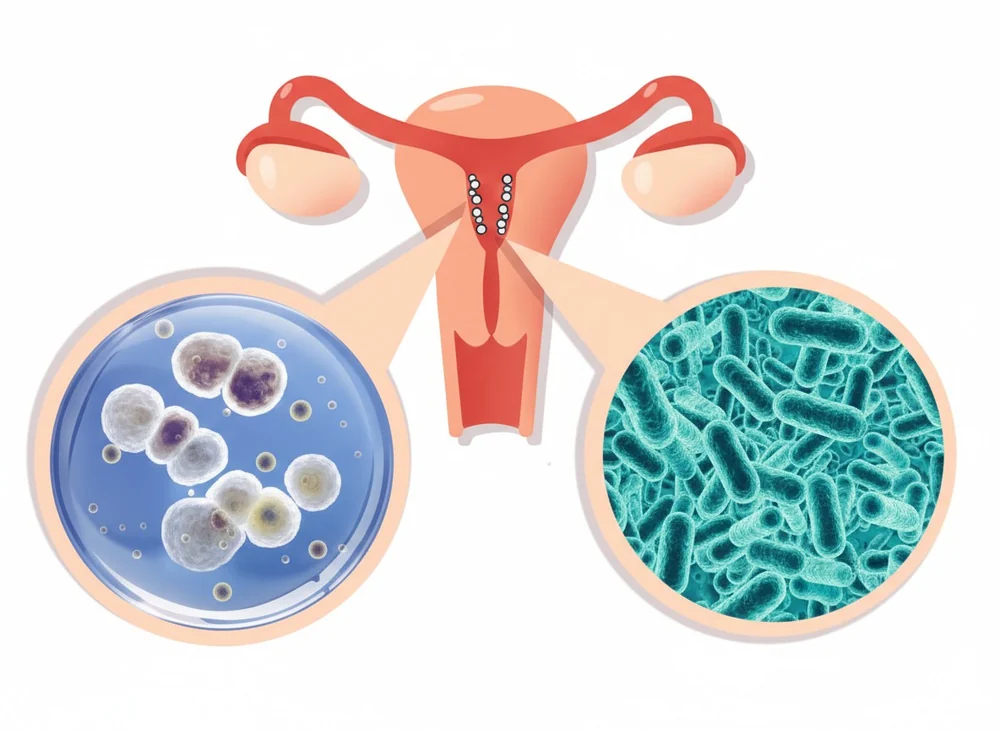
Not every case of inflammation causes complications, but some sexually transmitted infections such as chlamydia or gonorrhea can lead to pelvic inflammatory disease if left untreated. If this goes on for a long time, it can damage the fallopian tubes, making it hard to conceive and raising the risk of ectopic pregnancy or long-lasting pelvic pain. According to the US Centers for Disease Control and Prevention (CDC), about 1 in 8 women who have had pelvic inflammatory disease have difficulty getting pregnant.
In pregnant women, genital tract infections may be linked to pregnancy complications, so if you notice unusual discharge, itching or burning, lower abdominal pain, painful urination or fever, tell your doctor right away.
Gynecological inflammation does not "turn into cancer" on its own. However, high-risk types of the HPV virus are a factor linked to cervical cancer, so women still need to protect themselves against HPV and have regular screening suited to their age and level of risk, following professional guidelines.
Preventing infections
- Clean the intimate area gently and keep it dry and airy; do not douche deep inside the vagina, as this can upset the balance of good bacteria.
- Use condoms correctly during sex. People at risk should ask a doctor about which tests they need, because many sexually transmitted infections are silent and have no clear symptoms.
- Do not take any medicine on your own before the cause is known; the wrong treatment can make the condition last longer, come back and be harder to diagnose later.
Trusted clinic for gynecological infections in Ho Chi Minh City
Ky Hoa Medical Center has nearly 20 years of experience in medical care in Ho Chi Minh City, with a team of highly qualified doctors and a careful, transparent way of working. For gynecological infections, our Obstetrics & Gynecology doctors take time to listen, examine carefully and explain clearly so that you fully understand your condition, then agree together on a treatment and follow-up plan.
The center operates under Operating License No. 00449/HCM-GPHĐ, with a list of medical techniques approved by the Ho Chi Minh City Department of Health (Decision 471/QĐ-SYT), and is a primary care facility contracted with Ho Chi Minh City Social Security, accepting health insurance (BHYT) visits on Saturdays as well. The practising certificates of our 24 doctors are published on our Doctors page.
If you have severe pelvic pain, fever, unusual bleeding, clearly foul-smelling discharge, pain during sex or long-lasting painful urination, you can come to the Obstetrics & Gynecology department at Ky Hoa Medical Center, where a doctor will examine you, order suitable laboratory tests and advise on treatment. Simply walk in during opening hours and take a queue number.
Ky Hoa Medical Center
Address: 266A - 268 3 Thang 2 Street, Hoa Hung Ward, Ho Chi Minh City
Opening hours: Monday to Saturday, 6:30 - 11:30 and 13:00 - 17:00 (closed on Sunday)
Hotline: 028.3868.1097
Source: Suc Khoe & Doi Song (Health & Life) newspaper