
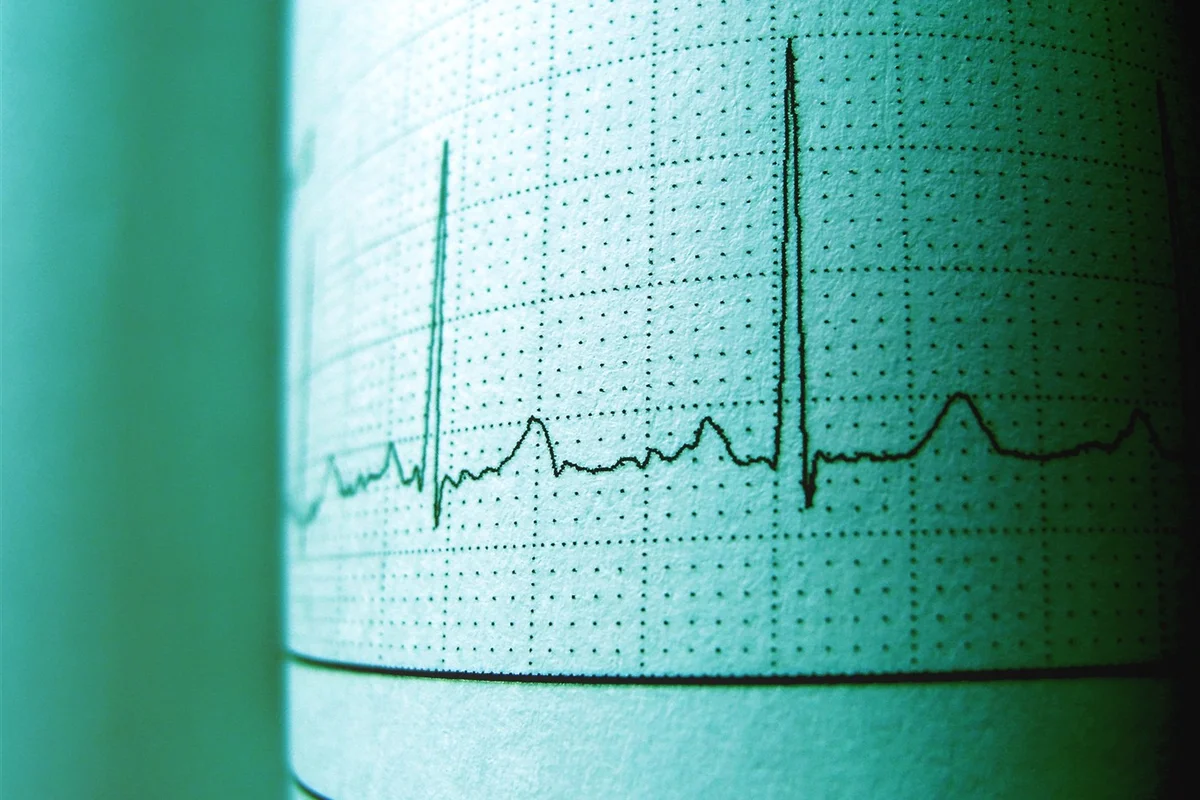
The sensation of a fast-beating, pounding heart or a skipped beat is something everyone has experienced. Most of the time it is harmless, but sometimes it is a sign of an arrhythmia. This article helps you tell the difference and know when you need to see a doctor.
When is a fast heartbeat normal?
A faster heartbeat is the body's natural response in many situations:
- During physical activity, climbing stairs, or running.
- When nervous, anxious, afraid, or emotional.
- After drinking coffee, strong tea, energy drinks, or alcohol, or after smoking.
- During a fever, dehydration, or lack of sleep.
In these cases, the heart rate will return to normal after resting or once the triggering factor has passed.
Causes that need to be investigated
- Arrhythmia, premature beats.
- Hyperthyroidism.
- Anemia.
- Low blood sugar, especially in people with diabetes.
- Valvular heart disease, coronary artery disease, heart failure.
- Persistent anxiety disorder.
Signs that you should see a doctor
You should see a doctor when:
- Palpitations occur frequently, even at rest, with no clear reason.
- The heart beats fast at times and slow at others, irregularly.
- Accompanied by fatigue, shortness of breath on mild exertion, or swollen feet.
- You have a history of heart disease, hypertension, diabetes, or a family member who died suddenly.
Go to an emergency facility immediately if a fast heartbeat is accompanied by chest tightness, severe shortness of breath, dizziness, fainting, or near-fainting.
How are you examined and monitored?
The doctor will ask in detail about the circumstances in which the symptoms appear, measure your blood pressure, listen to your heart, and usually order an electrocardiogram, blood tests, and possibly an echocardiogram. You should note the time, duration, and circumstances of each episode of palpitations. If you have a heart rate monitor at home, record the readings to help the doctor make a more accurate assessment.
In daily life, reduce coffee, energy drinks, and alcohol, quit smoking, get enough sleep, and exercise moderately. You can come in person during opening hours at Ky Hoa Medical Center, 266A - 268 3 Thang 2 Street, Hoa Hung Ward, Ho Chi Minh City. Hotline 028.3868.1097, Zalo 082.299.3377.