
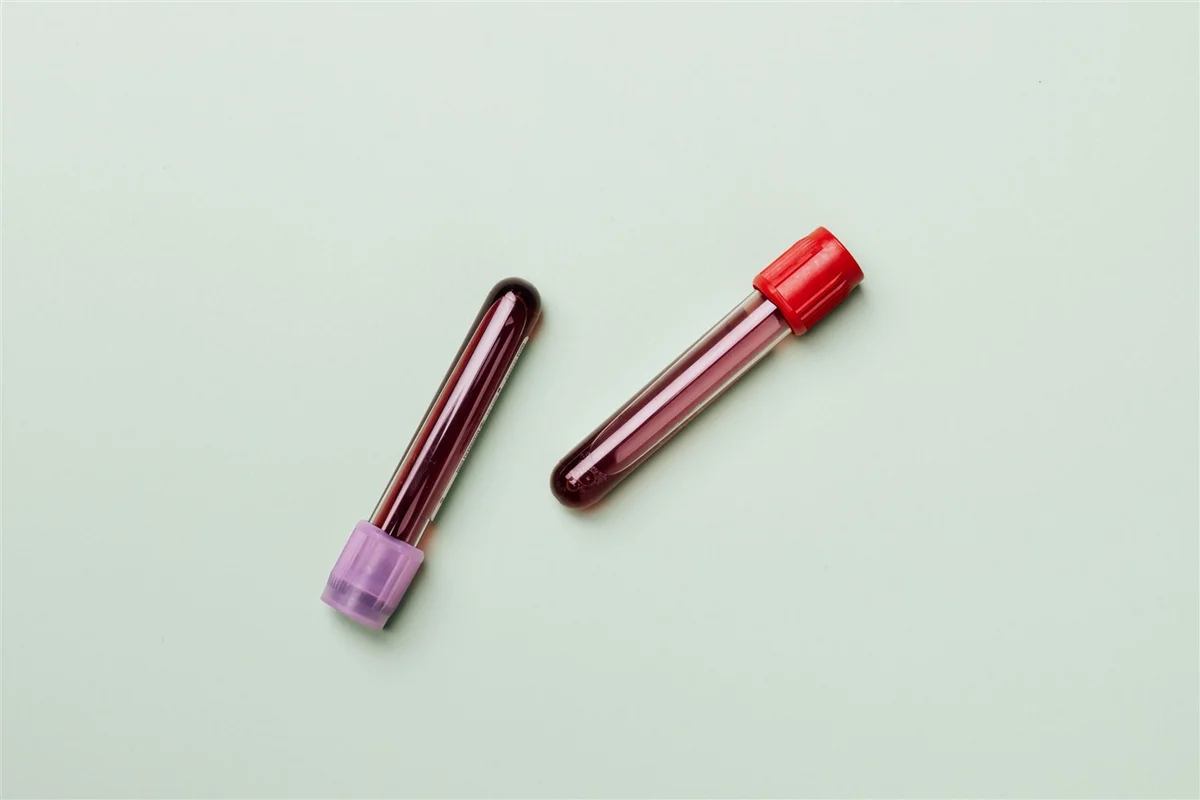
Hepatitis B often has no symptoms, so many people carry the virus for years without knowing it. This article helps you understand the basic tests, how to read the results and the follow-up schedule to protect your liver.
How is hepatitis B transmitted?
The hepatitis B virus is transmitted through blood, unsafe sexual intercourse and from mother to child during birth. The disease is not transmitted through eating together, drinking from the same container, hugging and kissing, or sharing bowls and chopsticks. Therefore, people infected with the virus can still live and work normally with their family.
If left unchecked for a long time, chronic hepatitis B can lead to cirrhosis and liver cancer. Conversely, if detected and monitored regularly, most patients still live healthy lives.
Basic tests
- HBsAg: a positive result means you are currently infected with the hepatitis B virus.
- Anti-HBs: a positive result means your body has protective antibodies, either from vaccination or from a previous infection that has resolved.
- If both are negative: not infected and no immunity yet, you should be vaccinated.
For people who are already infected, doctors usually also order liver enzyme tests, tests to assess the level of virus activity, a liver ultrasound and may measure liver fibrosis to decide whether treatment is needed or whether monitoring alone is sufficient.
Who should be tested for hepatitis B?
- People who have never been tested or do not remember whether they have been vaccinated.
- Women preparing to become pregnant or who are currently pregnant.
- People with a family member infected with hepatitis B.
- People who have had a blood transfusion, tattoos, or multiple sexual partners.
How is chronic hepatitis B monitored?
- Regular follow-up visits every 3 to 6 months as directed by your doctor, even when you feel well.
- Do not drink alcohol; do not self-medicate with herbal remedies or "liver-cooling" products of unknown origin.
- If you are being treated, take your medication regularly and do not stop on your own.
- Encourage family members to get tested and vaccinated if they do not have antibodies yet.
You should see a doctor immediately if you have yellow skin, yellow eyes, dark urine, a gradually swelling abdomen, or prolonged fatigue and loss of appetite. You can come in for a direct examination during opening hours at Ky Hoa Medical Center, 266A - 268 3 Thang 2 Street, Hoa Hung Ward, Ho Chi Minh City. Hotline 028.3868.1097, Zalo 082.299.3377.