
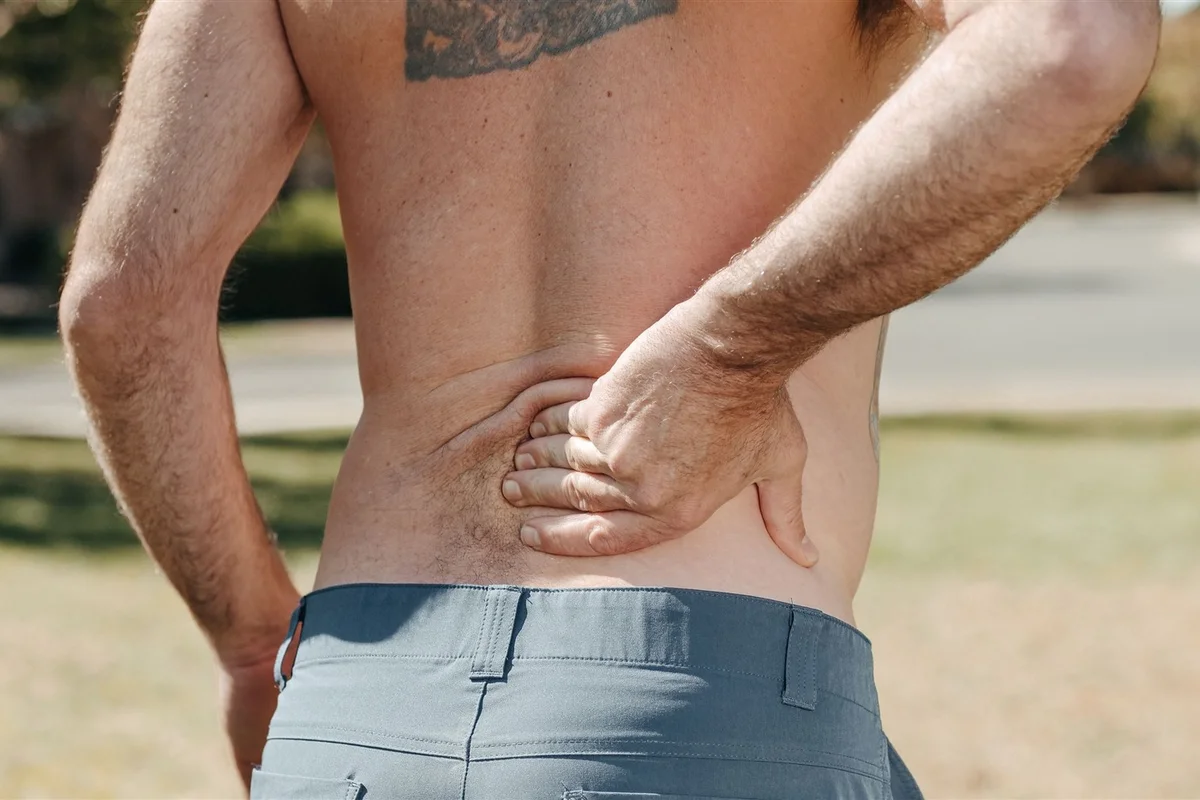
Kidney stones often remain silent for many years, only revealing themselves when they cause an attack of flank pain or blood in the urine. This article helps you recognize early signs, understand who is at risk, and know when to seek a medical examination.
How do kidney stones form?
Urine contains many dissolved minerals. When the body does not drink enough water or mineral levels are too high, crystals gradually settle and clump together to form stones. Stones may remain still in the kidney, or they may move down into the ureter and bladder and cause an obstruction.
Many people have small stones without any symptoms, and they are only discovered incidentally during an abdominal ultrasound at a periodic health check-up.
Common signs
- Colicky pain in the flank and lower back, which may spread to the lower abdomen and groin; the pain comes in waves and is very severe.
- Stinging or burning urination, urinary frequency and urgency, but with only a small amount each time.
- Cloudy urine with a foul odor, or pink or red in color due to blood.
- Nausea and vomiting during a pain attack.
- A dull, persistent ache and fatigue in the lower back, easily mistaken for muscular back pain.
Who is at risk of kidney stones?
People who drink little water, work outdoors in the hot sun or sit in an office with little movement, eat a salty diet, consume a lot of animal protein, are overweight, or have relatives who have had stones. People who have had stones are also prone to recurrence if they do not change their habits.
When should you seek a medical examination right away?
You should go to a medical facility early when:
- The colicky pain does not subside after a few hours of rest.
- Pain accompanied by fever and chills: a sign of a urinary tract infection caused by an obstructing stone, requiring prompt treatment.
- Clear blood in the urine, very little urine, or inability to urinate.
Doctors usually order a urine test, a blood test to assess kidney function, and an ultrasound to determine the location and size of the stone. Only then can the appropriate follow-up or intervention approach be chosen, and you should not self-medicate with folk remedies.
Daily prevention of kidney stones
- Drink enough water, spread throughout the day, so that urine always stays clear and pale.
- Reduce salt, limit sugary carbonated drinks and red meat.
- Eat plenty of green vegetables and fruit.
- Exercise regularly and maintain a healthy weight.
If you often have a sore, aching back, stinging urination, or want to have your kidneys checked, you can come in person during opening hours at Ky Hoa Medical Center, 266A - 268 3 Thang 2 Street, Hoa Hung Ward, Ho Chi Minh City. Call hotline 028.3868.1097 or Zalo 082.299.3377 to ask about less busy time slots in advance.