
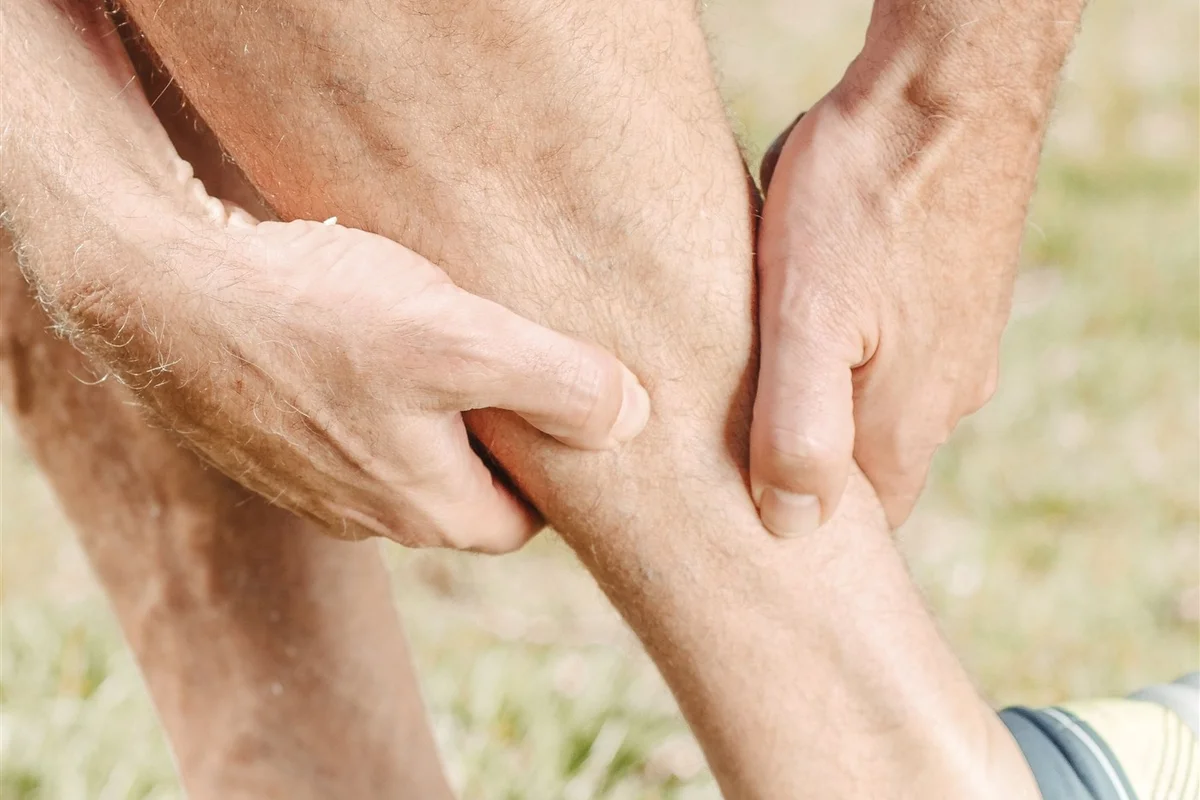
Heaviness in the legs, ankle swelling at the end of the day, or blue-green veins appearing on the calf are early signs of varicose veins. This article helps you recognize the condition, understand who is at risk, and learn how to keep your legs healthy.
What are varicose veins in the legs?
Veins in the legs carry blood from the foot back up to the heart, thanks to one-way valves inside that prevent blood from flowing backward. When these valves weaken, blood pools in the legs, the vein walls gradually stretch, causing leg heaviness and visible veins.
Who is at risk of varicose veins?
- People who have to stand or sit for long periods: teachers, sales staff, tailors, office workers.
- Women, especially during pregnancy and after childbirth.
- People who are overweight and physically inactive.
- Older adults, and those with a family history of varicose veins.
Signs to recognize
- Leg heaviness and fatigue, especially in the evening or after standing for a long time.
- Mild swelling around the ankle that leaves an indentation when pressed and improves after resting with the legs raised.
- Night cramps, numbness, and a burning sensation in the calf.
- A small network of red-purple veins, later followed by twisted, worm-like bulging veins.
- Late stage: darkening of the skin on the lower leg, itching, thickening and hardening, and possibly slow-healing ulcers.
Prevention and symptom relief
- Do not stand or sit still for too long; every 30 to 60 minutes, walk around, rise on your toes, and flex and extend your ankles.
- Elevate your legs above heart level for 15 to 20 minutes while resting and sleeping.
- Walk, cycle, and swim regularly so that the leg muscles help push blood back to the heart.
- Maintain a healthy weight, eat plenty of green vegetables, and avoid constipation.
- Avoid wearing high heels frequently or pants that are too tight.
- Avoid bathing in water that is too hot or taking prolonged steam baths.
- Wear compression stockings when a doctor has guided you to the right type and size.
When should you see a doctor?
You should see a doctor if your legs feel heavy, swelling persists, veins are clearly visible, skin color changes, or an ulcer appears. Seek medical attention immediately if one leg suddenly swells, becomes painful, hot, and red, as this may indicate a deep vein thrombosis. The doctor may order a Doppler ultrasound of the veins to assess the severity of the condition.
You can walk in for an examination during opening hours at Ky Hoa Medical Center, 266A - 268 3 Thang 2 Street, Hoa Hung Ward, Ho Chi Minh City. Hotline 028.3868.1097, Zalo 082.299.3377.