

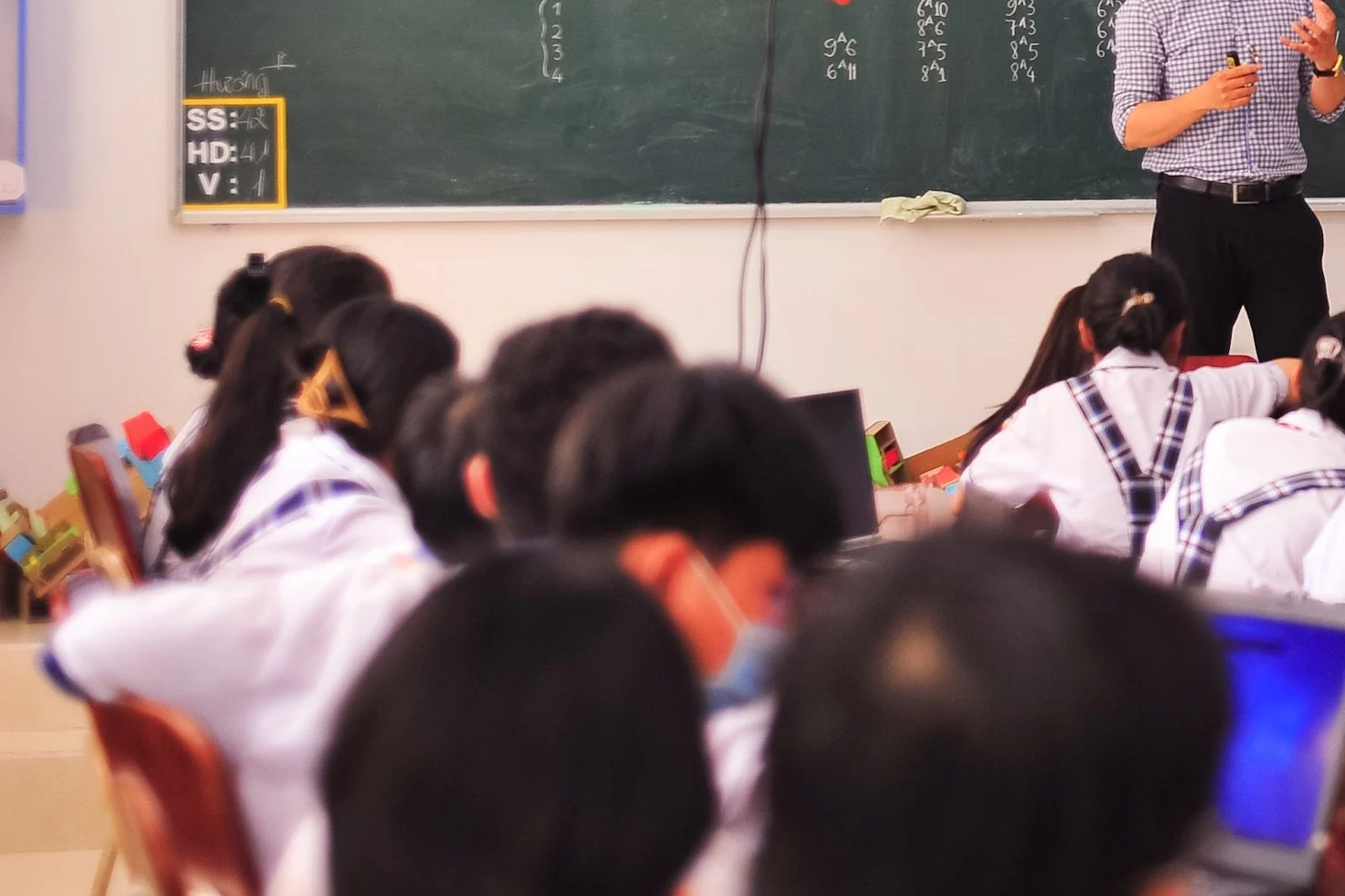
When a class has its first measles or chickenpox case, schools and families must act together to isolate the sick child, clean the room and monitor the others.
Measles and chickenpox spread very quickly in places where many children sit close together for hours, such as classrooms. Acting promptly from the very first case helps protect the other children in the class and keeps the disease from spreading through the whole school.
What schools and teachers need to do right away
School health staff and homeroom teachers are usually the first to spot a case, so they play a key role in containing it.
- Separate children suspected of having the disease from the class: a child with a high fever plus cough, runny nose, red eyes and a rash (suggesting measles), or with clear fluid-filled blisters like dewdrops (suggesting chickenpox), should be taken to the school health room for temporary isolation. Notify the parents right away so they can take the child home and to a doctor, and do not let the child return to class.
- Inform and review: clearly notify all parents in the class so every family can keep an eye on their child. Health staff should list the children who had close contact with the sick child in the previous few days for careful monitoring.
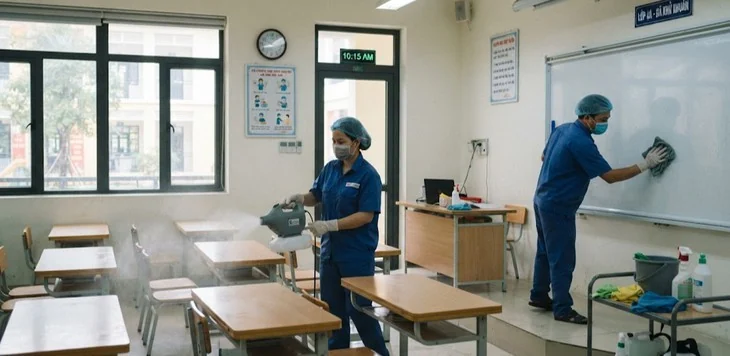
- Clean the classroom: wipe floors, desks, chairs, toys, school supplies, door handles and window sills with a proper disinfectant solution. Open all the doors and windows for ventilation and let in natural sunlight to reduce the amount of virus in the air, and limit the use of air conditioning during this period.
How parents can help
Parents who are honest, report promptly and keep a close eye on their child are a key link in keeping the whole class safe.
- When your child has been diagnosed: keep them home from school and extra classes, and away from crowded play areas. For measles, isolate for at least 5 days from when the rash appears. For chickenpox, isolate until all the blisters have dried and crusted over, which usually takes 7-10 days. The child should only return to school with a certificate of recovery from a health facility.
- When your child is in the same class as a sick child: every day before school, take their temperature and check their skin and any respiratory symptoms. If your child seems tired, has a slight fever, is sneezing or has a runny nose, keep them at home to watch them, so they do not unknowingly bring the disease into class.
Disease prevention habits in class
- Wash hands often with clean water and soap or hand sanitizer, especially before meals, after using the toilet, and after every cough or sneeze.
- When coughing or sneezing, cover the nose and mouth with the elbow or a tissue, then throw the tissue in the proper bin.
- Each child should use their own water bottle and hand towel; do not share school supplies or toys while there is a case in the class.
- While the class is being monitored, usually 14-21 days from the first case, encourage children to wear a medical face mask during class to reduce the risk of breathing in droplets that carry the virus.
Catch-up vaccination after exposure
Children who have never had measles or chickenpox and have not been vaccinated against these two diseases urgently need catch-up vaccination now:
- Measles: the vaccine can help protect if given within 72 hours after the child was exposed to the first case.
- Chickenpox: vaccination within about 3-5 days after exposure can help prevent the disease from developing, or make symptoms much milder if the child still catches it.
Trusted clinic for measles and chickenpox in children in Ho Chi Minh City
For nearly 20 years, Ky Hoa Medical Center has cared for the health of people in Ho Chi Minh City, bringing together highly qualified doctors who are attentive at every visit. When measles and chickenpox in children needs checking, our Pediatrics doctors take time to listen, examine carefully and explain clearly so that you fully understand your child's condition, then agree together on a care and follow-up plan.
The center operates under Operating License No. 00449/HCM-GPHĐ, with a list of medical techniques approved by the Ho Chi Minh City Department of Health (Decision 471/QĐ-SYT), and is a primary care facility contracted with Ho Chi Minh City Social Security, accepting health insurance (BHYT) visits on Saturdays as well. The practising certificates of our 24 doctors are published on our Doctors page.
Parents should contact a vaccination facility for timely advice. When your child has a fever, a rash or fluid-filled blisters, simply walk in during opening hours and take a queue number at Ky Hoa Medical Center, where a Pediatrics doctor will examine your child and advise on care.
Ky Hoa Medical Center
Address: 266A - 268 3 Thang 2 Street, Hoa Hung Ward, Ho Chi Minh City
Opening hours: Monday to Saturday, 6:30 - 11:30 and 13:00 - 17:00 (closed on Sunday)
Hotline: 028.3868.1097
Source: Suc Khoe & Doi Song (Health & Life) newspaper