

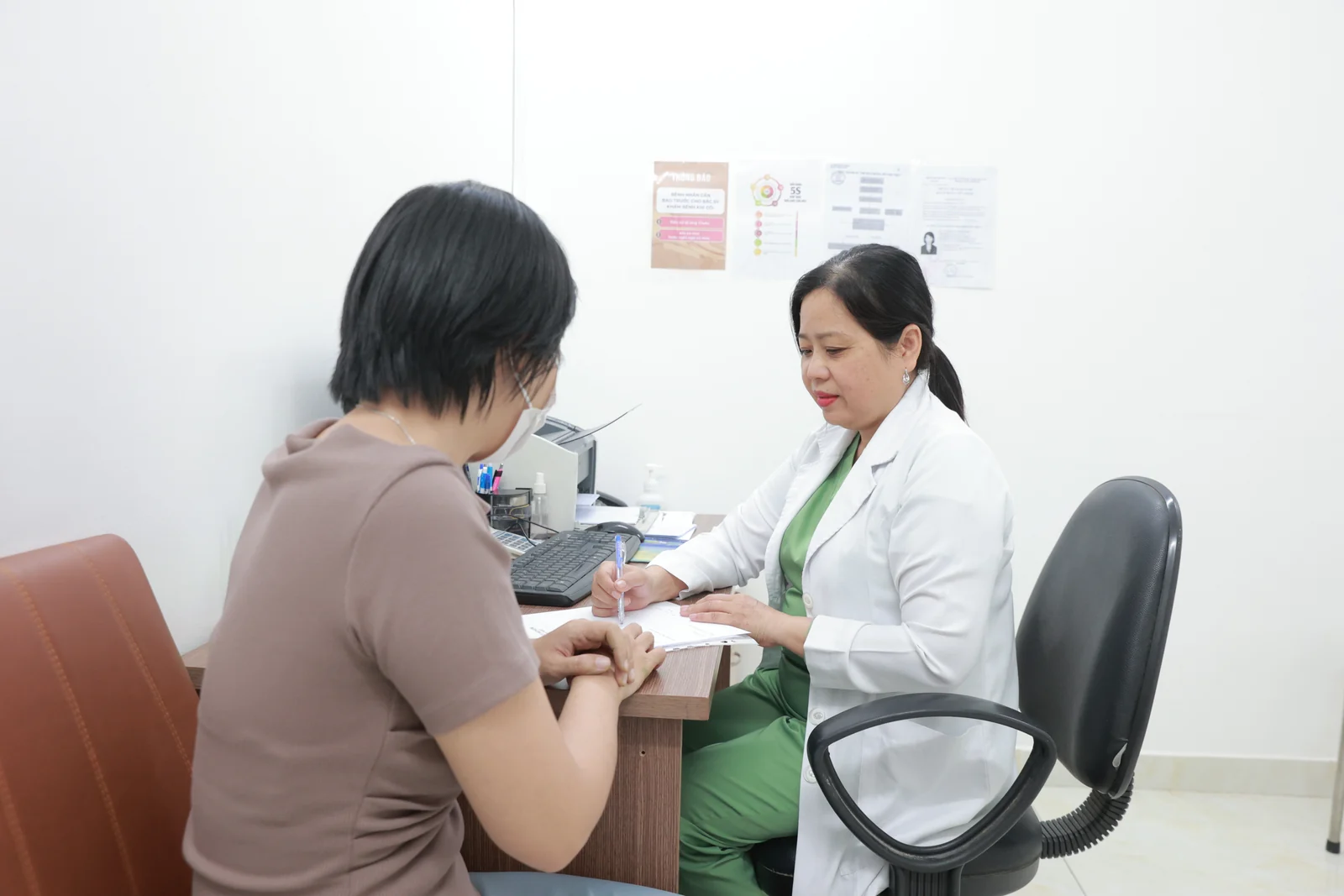
A Pap smear is a simple test that helps women catch abnormal cell changes early. Here is when to start, how often to repeat it and how to prepare.
A cervical smear, or Pap test, is not complicated but is very useful for reproductive health. From the cell sample collected, the doctor can spot precancerous signs, inflammation or infection, or the presence of the HPV virus before a condition becomes complicated.
How the test is done
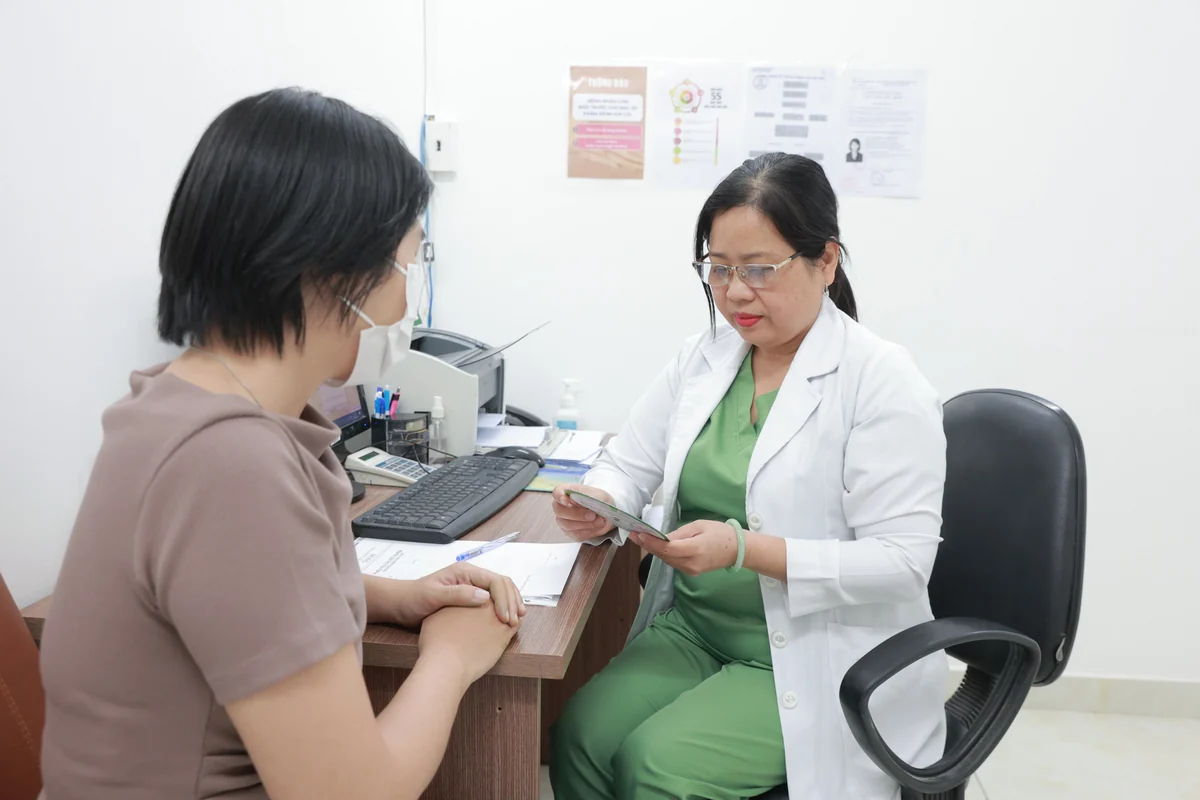
The doctor uses a small brush or a special spatula to gently collect cells from the cervix. The sample is sent to the laboratory to look for abnormal changes in the cells.
What age to start and how often
According to medical recommendations, this test is suitable for women aged 21 to 65. Women under 21 or over 65 are generally not advised to have it, unless they have a particular medical history or are in a high-risk group. The interval between tests varies with age and history:
- Ages 21 - 29: start at age 21. If the result is normal, the test can be repeated every 3 years.
- Ages 30 - 65: you can choose a Pap test alone every 3 years, or a Pap test together with an HPV test every 5 years if both are negative.
- Over 65: whether to continue screening is decided by the doctor. Women who have had normal results for many years, or who have had surgery to remove both the uterus and the cervix, may no longer need it.
Do you need it if you have never had sex or are past menopause?
Many people think only sexually active women are at risk of gynecological disease. In fact, cervical cells can still change for many other reasons.
Women who have gone through menopause should still have regular screening until age 65. Pregnant women and women who have had a hysterectomy may also be advised to have the test, depending on each person's medical history.
Preparing for the test
For an accurate result, in the 24 - 48 hours before the exam you should avoid:
- Sexual intercourse.
- Using tampons, vaginal douching or lubricants.
- Using vaginal creams, vaginal suppositories, or contraceptive foams or gels.
If you have your period on the day of the exam, check with your doctor first.
Signs that call for an earlier visit
Even if your next screening is not yet due, see a gynecologist right away if you notice unusual vaginal discharge, pain during sex or when urinating, warts or sores in the genital area, or pain in the lower abdomen.
Trusted clinic for routine gynecological check-ups in Ho Chi Minh City
For nearly 20 years, Ky Hoa Medical Center has cared for the health of people in Ho Chi Minh City, bringing together highly qualified doctors who are attentive at every visit. When routine gynecological check-ups needs checking, our Obstetrics & Gynecology doctors take time to listen, examine carefully and explain clearly so that you fully understand your condition, then agree together on a treatment and follow-up plan.
The center operates under Operating License No. 00449/HCM-GPHĐ, with a list of medical techniques approved by the Ho Chi Minh City Department of Health (Decision 471/QĐ-SYT), and is a primary care facility contracted with Ho Chi Minh City Social Security, accepting health insurance (BHYT) visits on Saturdays as well. The practising certificates of our 24 doctors are published on our Doctors page.
Women can come to the Obstetrics & Gynecology department at Ky Hoa Medical Center, where a doctor will examine them, give advice and order screening tests suited to their age and medical history. Simply walk in during opening hours and take a queue number.
Ky Hoa Medical Center
Address: 266A - 268 3 Thang 2 Street, Hoa Hung Ward, Ho Chi Minh City
Opening hours: Monday to Saturday, 6:30 - 11:30 and 13:00 - 17:00 (closed on Sunday)
Hotline: 028.3868.1097
Source: Suc Khoe & Doi Song (Health & Life) newspaper