

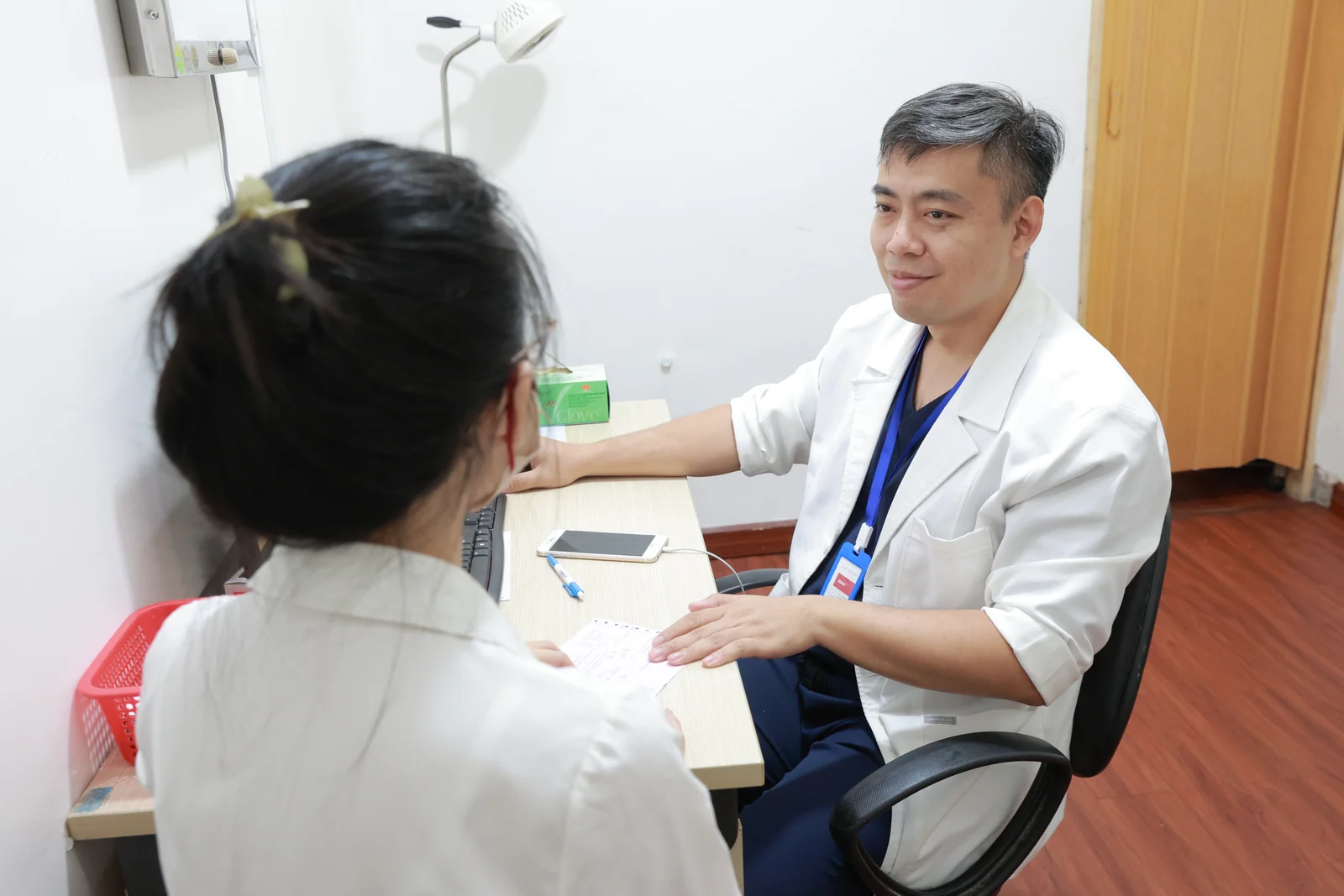
Hot flashes, poor sleep, irritability and irregular periods at 40 - 50 may signal perimenopause. Understanding them helps women take charge of their own care.
Between the ages of 40 and 50, many women notice changes in their bodies without knowing why: they get annoyed easily, their mood goes up and down, they feel flushed with heat, have trouble sleeping and lose interest in intimacy. Many think it is simply down to work, family matters or age. In fact, these may be signs of perimenopause, the natural transition before periods stop for good.
At this stage the ovaries begin to work differently, causing sex hormones, especially estrogen, to fluctuate. Perimenopause usually starts around 40, earlier or later for some, and can last for several years. It is not a disease but a normal physiological process, yet the hormonal changes can cause many physical and emotional symptoms that disrupt sleep, work, family relationships and quality of life.
Mood changes more easily
Many women become more sensitive, quicker to anger, or more anxious and low than before; some have less patience with their husband, children or coworkers, or react strongly to small things. This is not because their personality has changed for the worse or because they are weak. Fluctuating hormones, combined with poor sleep, hot flashes, fatigue and the pressures of life, can clearly affect emotions. If this goes on and affects daily life, do not bear it alone; talk to your loved ones and find suitable support.
Hot flashes and poor sleep
Hot flashes are the most typical symptom. A woman suddenly feels heat rushing to her face, neck and chest, followed by sweating; some also feel their heart racing. Hot flashes come without warning, day or night, and if they happen often they make it hard to sleep and leave her tired.

Trouble falling asleep, light broken sleep and waking during the night are also very common. Hot flashes and night sweats interrupt sleep, and anxiety and stress make it harder to sleep too. Long-term lack of sleep in turn leaves women tired, less focused and moodier, creating a vicious cycle.
Periods and intimate life
The menstrual cycle may no longer be regular: periods come early or late, bleeding is unusually heavy or light, and some months there is no period at all. However, not every menstrual irregularity at this age is due to perimenopause. If you have abnormal vaginal bleeding, or heavy or prolonged periods, see a doctor to rule out other gynecological conditions.
Hormonal changes can also lower sex drive. Some women have vaginal dryness, discomfort or pain during sex, and so avoid intimacy. This is a health issue worth raising openly with a doctor; depending on the cause and severity, the doctor will advise on a suitable approach.
When to see a doctor
- Symptoms such as hot flashes, trouble sleeping, anxiety, irritability or irregular periods that go on and clearly affect your life.
- Abnormal vaginal bleeding or very heavy bleeding.
- Pelvic pain, or new symptoms that appear at a severe level.
Seeing a doctor does not mean you have a serious illness. It is a chance for the doctor to assess your overall health, check whether the symptoms are due to perimenopause and rule out other causes.
Caring for yourself more gently
A balanced diet, regular exercise, enough sleep, less stress and avoiding tobacco and alcohol help ease the symptoms. Do not dismiss your body's changes, and do not blame yourself when your emotions are unsettled. By listening to yourself, having loved ones by your side and getting medical support at the right time, women can go through this stage more gently. Perimenopause is not the end of good health, but a new stage that deserves proper care.
Trusted clinic for perimenopause symptoms in Ho Chi Minh City
Ky Hoa Medical Center has nearly 20 years of experience in medical care in Ho Chi Minh City, with a team of highly qualified doctors and a careful, transparent way of working. For perimenopause symptoms, our Obstetrics & Gynecology doctors take time to listen, examine carefully and explain clearly so that you fully understand your condition, then agree together on a treatment and follow-up plan.
The center operates under Operating License No. 00449/HCM-GPHĐ, with a list of medical techniques approved by the Ho Chi Minh City Department of Health (Decision 471/QĐ-SYT), and is a primary care facility contracted with Ho Chi Minh City Social Security, accepting health insurance (BHYT) visits on Saturdays as well. The practising certificates of our 24 doctors are published on our Doctors page.
When symptoms affect daily life or periods show unusual signs, women can come to the Obstetrics & Gynecology department at Ky Hoa Medical Center, where a doctor will examine them, order laboratory tests or an ultrasound when needed and advise on care. Simply walk in during opening hours and take a queue number.
Ky Hoa Medical Center
Address: 266A - 268 3 Thang 2 Street, Hoa Hung Ward, Ho Chi Minh City
Opening hours: Monday to Saturday, 6:30 - 11:30 and 13:00 - 17:00 (closed on Sunday)
Hotline: 028.3868.1097
Source: Suc Khoe & Doi Song (Health & Life) newspaper