
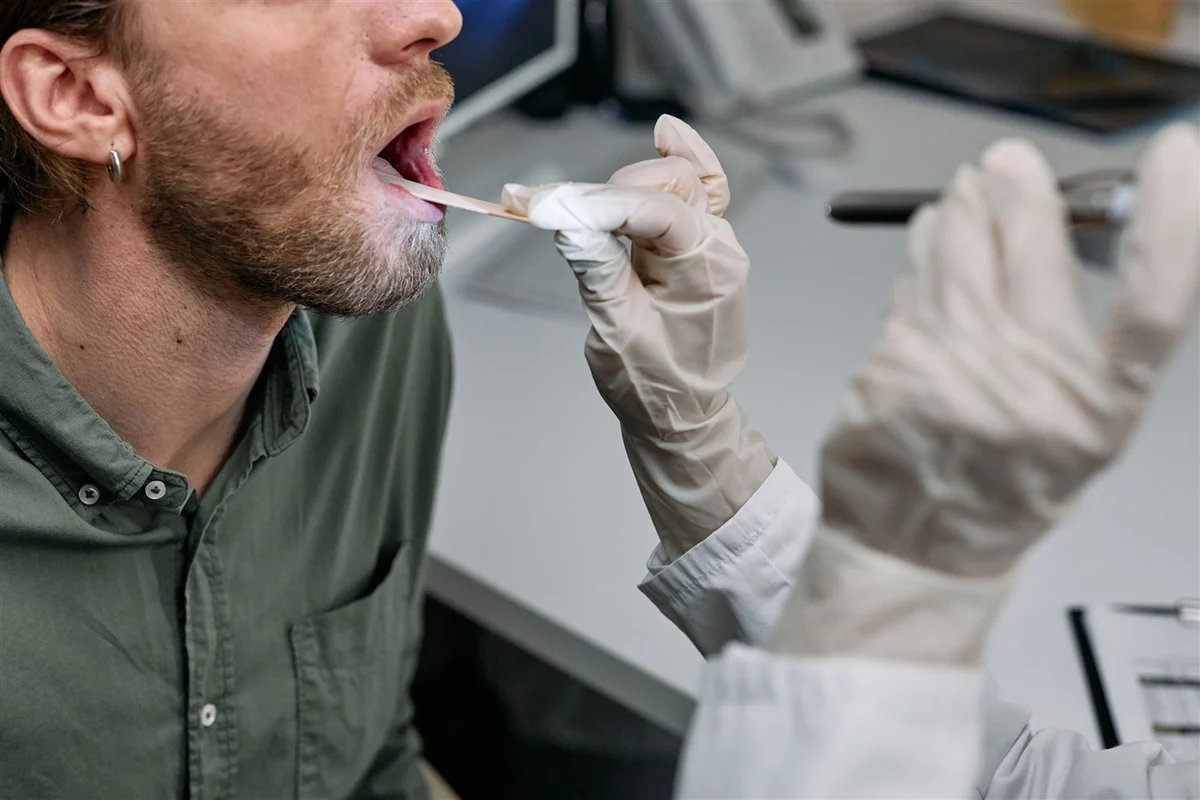
Hoarseness after a cold or a session of heavy talking usually goes away within a few days, but hoarseness lasting more than 2 to 3 weeks should be examined. This article helps you understand the causes, how to protect your voice, and the warning signs to watch for.
Why does hoarseness occur?
Voice is produced when a stream of air passes through and causes the vocal cords to vibrate. When the vocal cords are inflamed, swollen, or injured, the voice becomes hoarse, raspy, weak, or lost. Common causes:
- Acute laryngitis caused by a cold or sore throat.
- Talking too much, talking loudly, shouting: teachers, singers, salespeople, call center operators.
- Gastroesophageal reflux (acid reflux) irritating the larynx with acid.
- Smoking, drinking alcohol, inhaling dust and smoke.
- Sinusitis with postnasal drip running down the throat.
- Vocal cord nodules and vocal cord polyps from voice overuse.
- Thyroid disease, vocal cord paralysis, laryngeal tumors.
Protecting your voice
- Rest your voice while it is hoarse; do not whisper, as whispering also strains the vocal cords.
- Drink plenty of water, drink warm water; keep the room from being too dry.
- Speak at a moderate volume, use a microphone when addressing a large crowd.
- Avoid clearing your throat or constantly coughing to clear it.
- Quit smoking, limit alcohol and spicy, hot foods.
- Do not overeat or lie down right after eating if you are prone to acid reflux.
- Gargle with warm salt water.
When should you see a doctor?
- Hoarseness lasting more than 2 to 3 weeks with no clear cause, especially in smokers.
- Hoarseness accompanied by painful swallowing, a feeling of something stuck when swallowing, or coughing up blood.
- Hoarseness accompanied by difficulty breathing or stridor: seek immediate examination.
- Feeling a lump or swollen lymph node in the neck.
- Complete loss of voice or a marked change in voice.
- People who use their voice heavily experiencing recurrent hoarseness.
An ear, nose, and throat doctor may perform laryngoscopy to directly observe the vocal cords and detect injuries early. You can come in person during opening hours at Ky Hoa Medical Center, 266A - 268 3 Thang 2 Street, Hoa Hung Ward, Ho Chi Minh City. Hotline 028.3868.1097, Zalo 082.299.3377.