

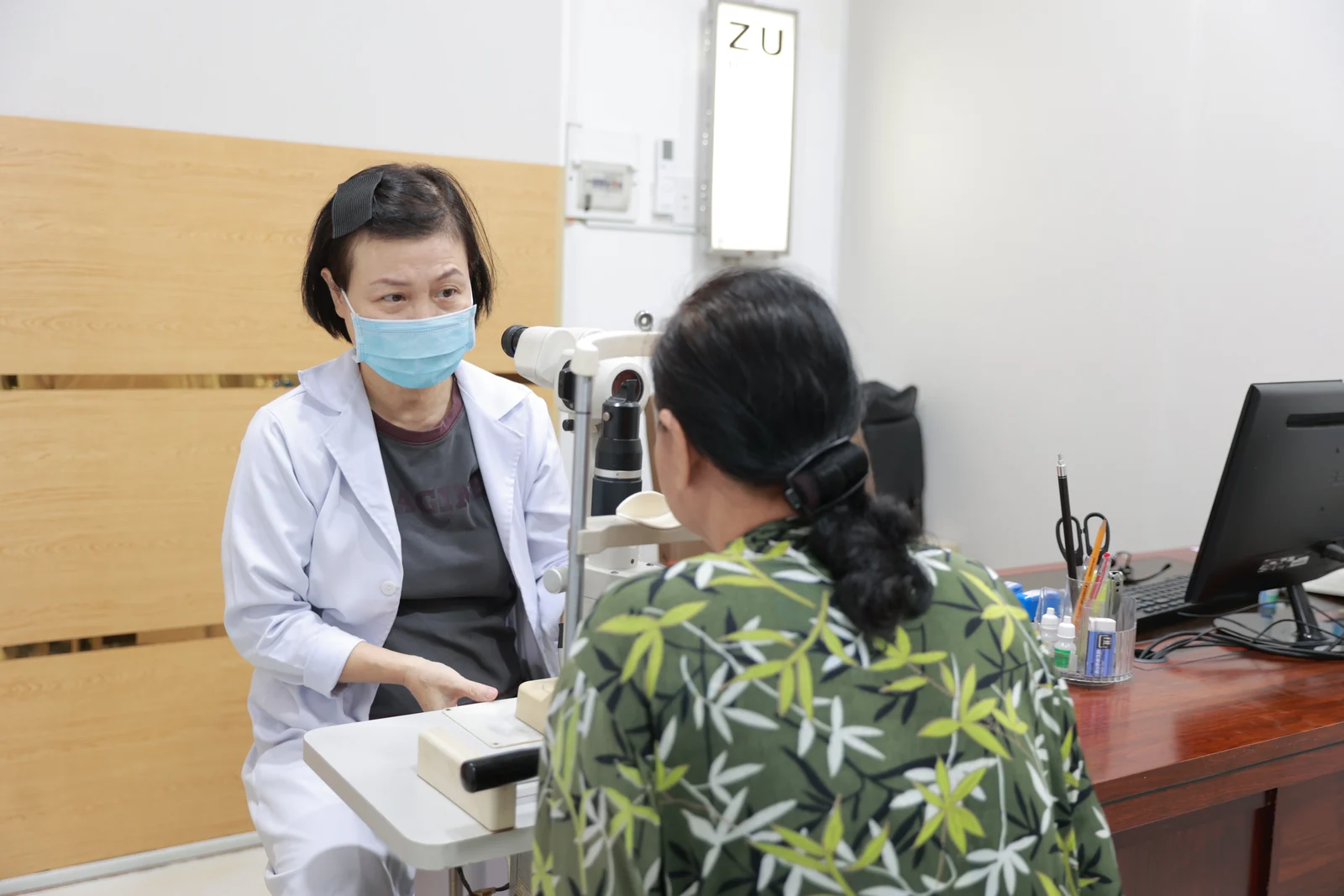
Eyes that keep watering without crying, wind or dust may just be a passing reaction, but if it goes on for a long time, it can be a sign of an eye condition.
Watery eyes (epiphora) means tears well up and spill over on their own, not because of emotion or an obvious trigger such as smoke, dust or wind. Both young children and adults can have it. Sometimes it is only a passing reaction, but if it happens often or comes with other symptoms, the cause needs to be found so it can be treated properly.
Why the eyes keep watering
Put simply, tears overflow for one of two reasons: the eyes make too many tears, or the tears cannot drain away normally.
In a healthy eye, tears moisten the surface of the eye and then flow through tiny openings at the inner corner of the eye into the tear sac and down into the nose. If this drainage path narrows or becomes blocked, tears build up and spill onto the cheeks. A blocked tear duct is a very common cause:
- In newborns, it may be due to a thin membrane still covering the lower end of the tear duct.
- In adults, it may be caused by infection or inflammation, injury, previous surgery around the eyes and nose, or aging.
Irritation and dry eyes
Smoke, dust, wind, harsh light, cosmetics, chemicals or a speck of dust in the eye can all irritate the surface of the eye. The tear glands then produce extra tears to wash it away and protect the eye. If there is a foreign object, the eye feels gritty, turns red and waters a lot; do not rub it, because the object can scratch the cornea.

It may sound contradictory, but dry eyes are also a common reason. When the eyes are dry, the sensory nerve endings send signals that make the eyes produce tears as a reflex. These tears, however, are not enough to keep the tear film stable, so the person feels dry, burning and gritty while also having watery eyes. People who use computers and phones a lot, sit in air-conditioned rooms, spend time in windy places or blink too little are prone to this.
Other causes to be aware of
- Eye infections and inflammation: inflammation of the eyelid margins, the conjunctiva or the cornea, or an infection in the eye, makes the tear glands produce more tears, often with redness, grittiness, pain, itching or discharge. If you have eye pain, sensitivity to light or worsening vision, see a specialist instead of treating it yourself at home for a long time.
- Problems with the eyelids and tear duct openings: eyelids that turn inward or outward, drooping eyelids, or misplaced tear duct openings keep tears from draining well. Older people are more likely to have these problems because the skin, muscles and tissues around the eyes lose elasticity over the years.
- Habits and environment: long hours in front of a screen, lack of sleep, dry or windy places, or wearing contact lenses incorrectly make the eyes prone to dryness and irritation. Contact lens wearers should keep their lenses clean, wear and replace them as instructed, and not wear them when the eyes are red, painful or inflamed until an eye doctor has checked them.
When to see a doctor
If your eyes have been watering for a long time, keep watering again and again or it interferes with daily life, see a doctor to find the cause, especially if you also have any of these signs:
- Eyes that are often itchy, gritty, red or uncomfortable.
- Eye pain, burning or glare sensitivity in bright light.
- Blurred vision or changes in eyesight.
- Unusually heavy eye discharge, especially if it is green or yellow.
- Red, swollen or misshapen eyelids.
- Swelling, pain, discharge or signs of inflammation at the inner corner of the eye.
- Watering in only one eye, or watering that keeps coming back for no clear reason.
Watery eyes are not always a sign of serious illness, but they should not be dismissed either. An eye exam helps tell whether the eye is producing too many tears, the surface is irritated or the tear duct is blocked, so the right treatment can be chosen. Do not buy eye drops on your own before a doctor prescribes them, because some products can harm the eyes if used incorrectly.
Trusted clinic for watery eyes in Ho Chi Minh City
For nearly 20 years, Ky Hoa Medical Center has cared for the health of people in Ho Chi Minh City, bringing together highly qualified doctors who are attentive at every visit. When watery eyes needs checking, our Ophthalmology doctors take time to listen, examine carefully and explain clearly so that you fully understand your condition, then agree together on a treatment and follow-up plan.
The center operates under Operating License No. 00449/HCM-GPHĐ, with a list of medical techniques approved by the Ho Chi Minh City Department of Health (Decision 471/QĐ-SYT), and is a primary care facility contracted with Ho Chi Minh City Social Security, accepting health insurance (BHYT) visits on Saturdays as well. The practising certificates of our 24 doctors are published on our Doctors page.
If your watery eyes last a long time or come with any of the signs above, simply walk in during opening hours and take a queue number at Ky Hoa Medical Center, where an Ophthalmology doctor will examine you and find the real cause.
Ky Hoa Medical Center
Address: 266A - 268 3 Thang 2 Street, Hoa Hung Ward, Ho Chi Minh City
Opening hours: Monday to Saturday, 6:30 - 11:30 and 13:00 - 17:00 (closed on Sunday)
Hotline: 028.3868.1097
Source: Suc Khoe & Doi Song (Health & Life) newspaper