

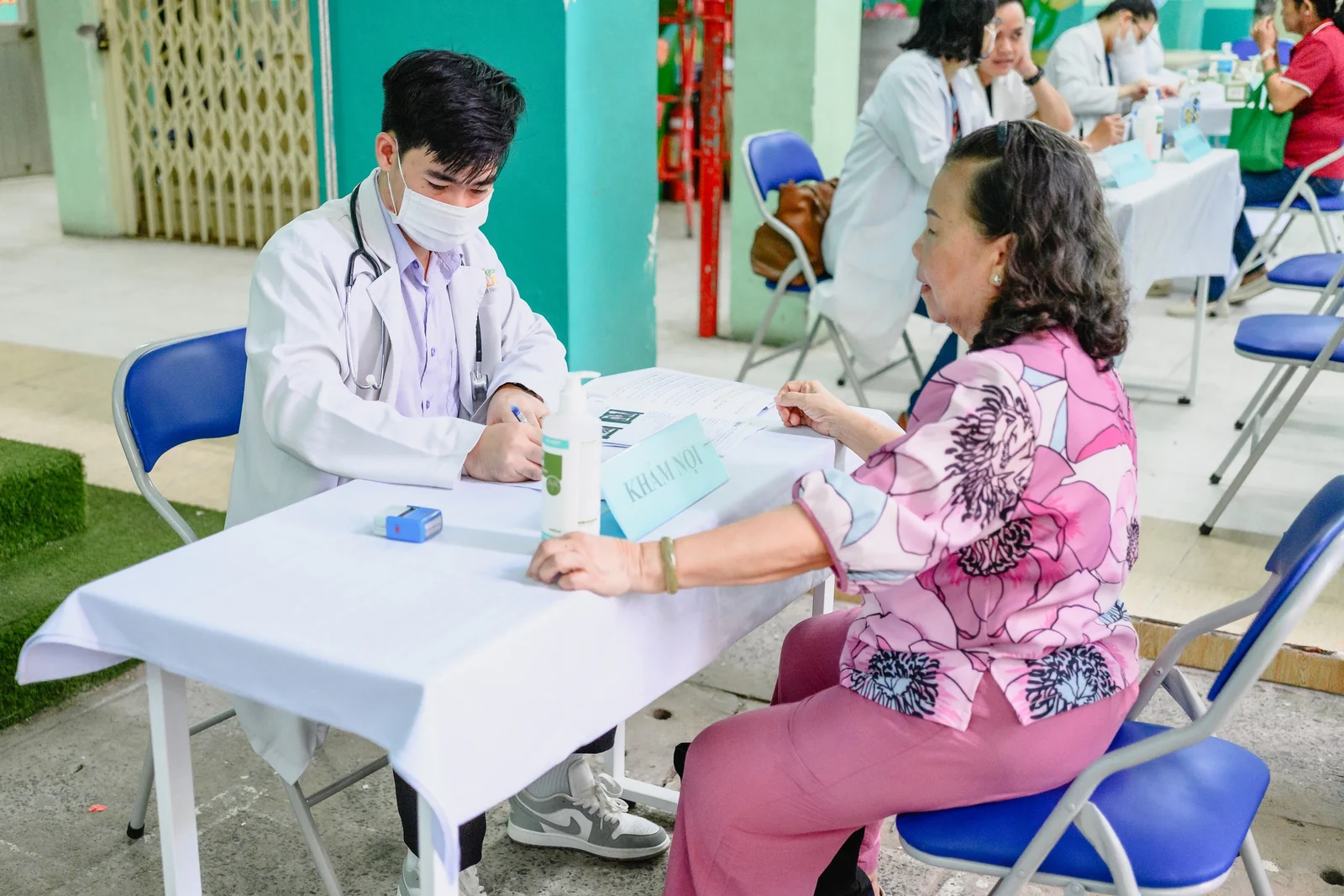
Dirty water, mud and damp clothes in the rainy season leave skin open to fungi, bacteria and parasites. Spotting the signs early helps you care for your skin.
Skin diseases often cause itching, red rashes, peeling, blisters or patches with clear edges. If they are not cared for and treated properly, the affected area can spread, become infected and keep coming back.
Why skin problems are common in the rainy season
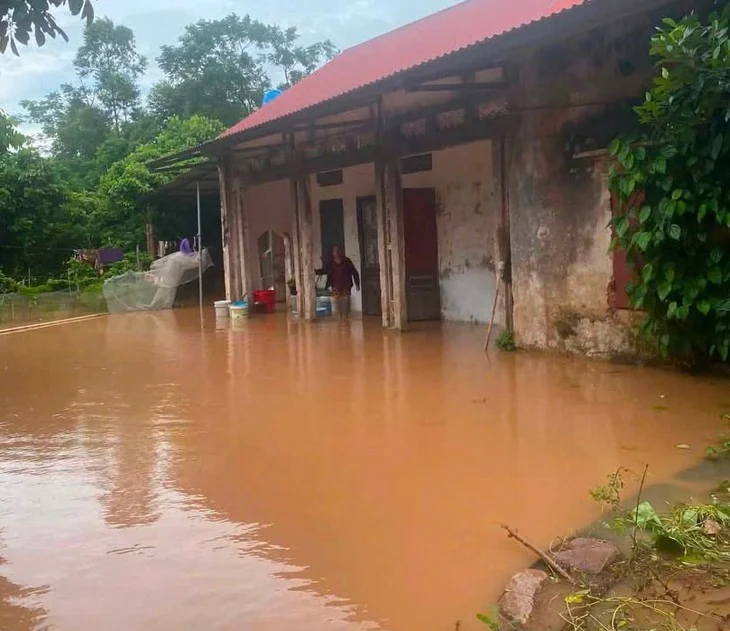
After storms and flooding, the water and surroundings can contain many bacteria, fungi and parasites. Skin that is exposed to dirty water and mud for days becomes weaker and more easily damaged. The risk is even higher when:
- Your hands and feet, or even your whole body, have to stay in dirty water or mud.
- Your clothes, shoes and socks stay damp for many hours.
- Your skin has scrapes or small wounds that let bacteria in.
- There is not enough clean water to wash after wading through floodwater.
- Your home is damp and the surroundings have not been cleaned up.
Common skin diseases
- Fungal infection between the toes, commonly known as athlete's foot: caused by fungi, usually between the toes. The skin itches, peels and cracks on a red base and may ooze. Left untreated, it can spread, form ulcers or become infected with bacteria.
- Folliculitis: usually caused by bacteria or fungi, with small bumps at the hair follicles that sometimes contain pus, itch or burn. Scratching and rubbing a lot spreads the damage and makes secondary infection more likely.
- Impetigo: a bacterial skin infection, commonly caused by staphylococcus or streptococcus. It starts as blisters or pus-filled spots that burst and form yellow-brown crusts, often on the hands, legs and face.
- Scabies: a disease caused by the scabies mite, a type of parasite. It causes intense itching, especially at night, with tiny blisters on the wrists, between the fingers, on the abdomen, buttocks and thighs. It spreads easily among people living in the same home.
- Bacterial intertrigo: found in closed, moist skin folds such as the armpits and groin; the skin is red with fairly clear edges and fine scales.
Caring for damaged skin
If you have to wade through dirty water, keep the time in the water as short as possible and wash with clean water as soon as you can. Affected skin should be washed clean, patted dry and left uncovered to air.
Do not apply creams or ointments of unknown origin on your own, especially for a long time. Using the wrong medicine can make a fungal skin infection more stubborn or mask the symptoms, making diagnosis harder later on. Depending on whether the cause is a fungus, bacteria or scabies, the doctor will prescribe suitable medicine, including medicine to relieve itching when needed. With scabies, household members at risk need to be treated at the same time, and blankets, bed sheets and clothes should be washed thoroughly to avoid reinfection.
When to see a doctor
- The skin is swollen, warm, red and painful, has a lot of pus or is spreading quickly.
- You also have a fever, feel tired or have a lot of pain at the affected area.
- Home care has not helped, or the condition keeps getting worse.
Preventing skin diseases in the rainy season
- Avoid wading through dirty water; if you must be in contact with floodwater, wear rubber boots and gloves.
- Wash your hands, feet and any skin that touched dirty water with soap and clean water, then dry thoroughly, especially between the fingers and toes.
- Change into clean, dry clothes right after getting caught in the rain or wading through water; do not wear damp socks or shoes.
- Keep scrapes and small wounds clean and cover them when you have to work in polluted places.
- Keep your home clean, dry and well ventilated.
- Keep the towels, clothes, blankets and mosquito nets of anyone with a contagious skin disease separate, and do not share them.
Trusted clinic for rainy-season skin conditions in Ho Chi Minh City
For nearly 20 years, Ky Hoa Medical Center has cared for the health of people in Ho Chi Minh City, bringing together highly qualified doctors who are attentive at every visit. When rainy-season skin conditions needs checking, our Dermatology doctors take time to listen, examine carefully and explain clearly so that you fully understand your condition, then agree together on a treatment and follow-up plan.
The center operates under Operating License No. 00449/HCM-GPHĐ, with a list of medical techniques approved by the Ho Chi Minh City Department of Health (Decision 471/QĐ-SYT), and is a primary care facility contracted with Ho Chi Minh City Social Security, accepting health insurance (BHYT) visits on Saturdays as well. The practising certificates of our 24 doctors are published on our Doctors page.
When your skin shows unusual signs, see a doctor early rather than treating it yourself for a long time. Ky Hoa Medical Center has a Dermatology department; simply walk in during opening hours and take a queue number, and a doctor will identify the cause and advise on treatment.
Ky Hoa Medical Center
Address: 266A - 268 3 Thang 2 Street, Hoa Hung Ward, Ho Chi Minh City
Opening hours: Monday to Saturday, 6:30 - 11:30 and 13:00 - 17:00 (closed on Sunday)
Hotline: 028.3868.1097
Source: Suc Khoe & Doi Song (Health & Life) newspaper