

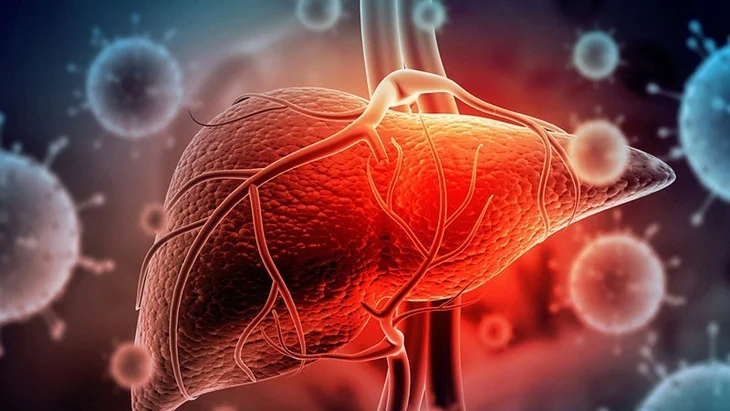
Raised liver enzymes signal that the liver is under strain; they are not a disease in themselves. The cause decides what treatment is needed and how much.
Liver enzymes are proteins found mainly inside liver cells. When liver cells are damaged or affected by some factor, the enzymes leak into the blood and the liver enzyme levels in tests go up. Doctors usually look at ALT and AST, and sometimes also bilirubin, GGT, alkaline phosphatase (ALP) and other liver function markers.
Raised liver enzymes do not always mean liver disease
A high liver enzyme result does not mean you have a specific liver disease, and the size of the rise does not always reflect the extent of the damage. In some cases the enzymes rise only slightly and return to normal once the harmful factor is removed. On the other hand, a large or prolonged rise needs a closer assessment. So do not rush to buy "liver enzyme lowering" medicines or products advertised as liver detox before the cause is clear.
Each cause has its own approach
- Alcohol: the doctor will usually advise stopping or cutting down. Once the liver is no longer exposed to the harmful factor, liver enzymes improve gradually in many people.
- Medicines or supplements you are taking: the doctor looks at the type of medicine, how it is used and when it was started compared with when the enzymes rose, before deciding whether to switch or stop the suspected medicine. Patients should not stop their prescribed treatment on their own, especially medicines for chronic conditions.
- Fatty liver linked to metabolic disorders, a fairly common cause: the focus is on managing weight, exercising, adjusting meals and controlling blood sugar and blood lipids.
- Viral hepatitis or other liver diseases: specialized treatment may be needed. Some cases of hepatitis B and hepatitis C need specific medication as prescribed; autoimmune and metabolic liver diseases also have their own treatment plans.
When further tests are needed
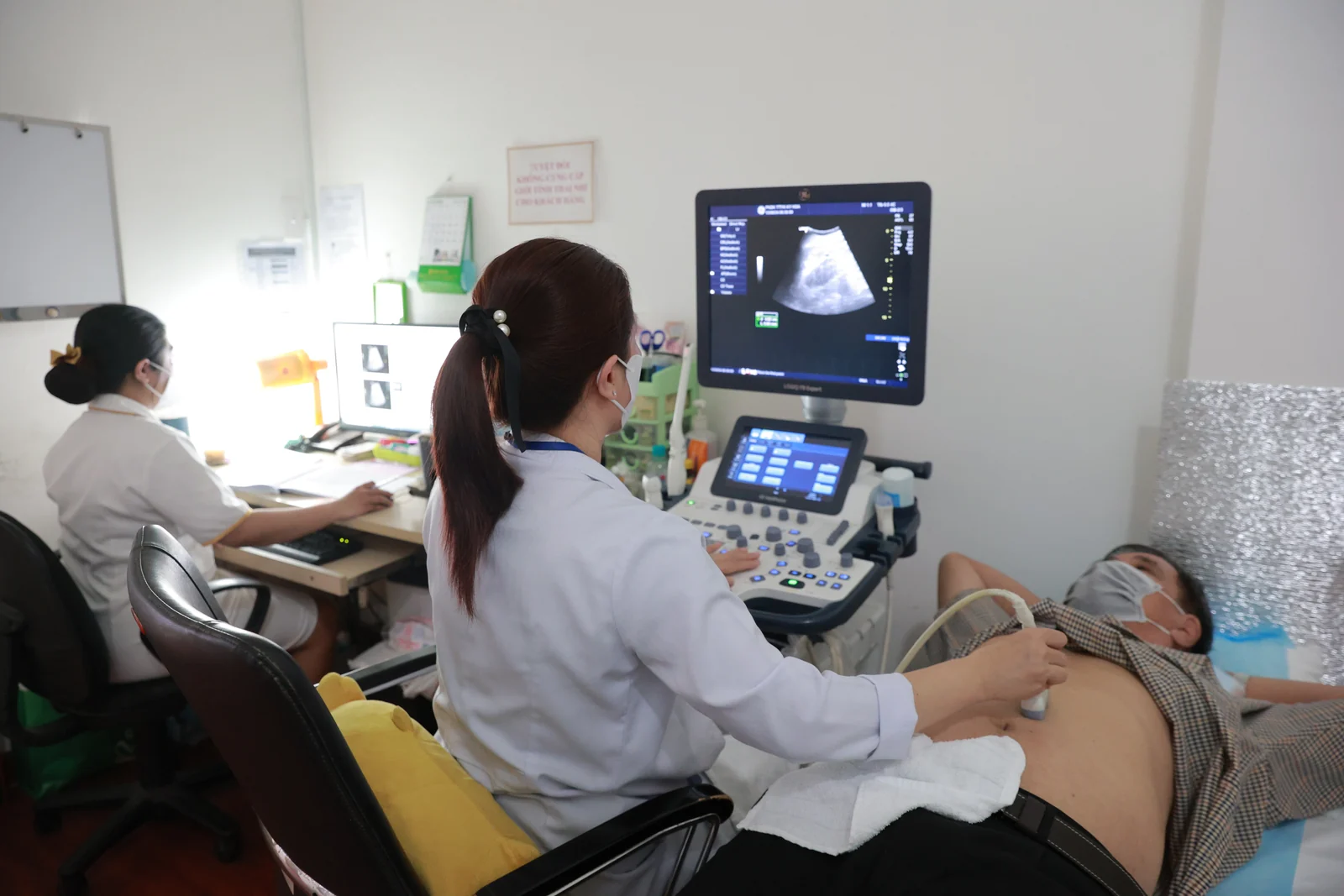
If liver enzymes stay high, rise sharply or come with other abnormalities, the doctor may order further tests for blood sugar, blood lipids, viral hepatitis and metabolic markers, or more specialized tests. An abdominal ultrasound is often used to look at the liver, gallbladder and bile ducts; some people need more advanced imaging. A liver biopsy is only considered when the cause is still unclear or the extent of damage needs to be examined very closely; not everyone with high liver enzymes needs one. Treatment then depends on the cause and the extent of damage identified.
See a doctor early if raised liver enzymes come with severe tiredness, prolonged nausea, pain under the right ribs, dark urine, yellowing of the skin or eyes, or drowsiness and confusion.
Lifestyle habits that protect the liver
- Cut down on or stop alcohol, especially when alcohol is suspected as the cause; talk this over with your doctor.
- Do not self-medicate or use medicines of unknown origin or supplements advertised as "liver tonics" or "liver detox", as they may contain substances harmful to the liver or interact with your current medicines.
- Lose weight gradually if you are overweight, avoiding extreme fasting or losing weight too quickly.
- Exercise regularly within your ability: brisk walking, cycling, swimming, endurance and muscle-building exercises.
- Eat plenty of vegetables, a moderate amount of fruit, whole grains and healthy protein; cut down on sweets, saturated fats, processed foods and sugary drinks.
- Keep diabetes, high blood pressure and blood lipid disorders well controlled if you have them, as metabolic health is closely tied to the liver.
Trusted clinic for raised liver enzymes in Ho Chi Minh City
For nearly 20 years, Ky Hoa Medical Center has cared for the health of people in Ho Chi Minh City, bringing together highly qualified doctors who are attentive at every visit. When raised liver enzymes needs checking, our Internal Medicine doctors take time to listen, examine carefully and explain clearly so that you fully understand your condition, then agree together on a treatment and follow-up plan.
Laboratory tests and ultrasound are performed on site, so you can complete check-ups in one place, which makes follow-up visits easier.
The center operates under Operating License No. 00449/HCM-GPHĐ, with a list of medical techniques approved by the Ho Chi Minh City Department of Health (Decision 471/QĐ-SYT), and is a primary care facility contracted with Ho Chi Minh City Social Security, accepting health insurance (BHYT) visits on Saturdays as well. The practising certificates of our 24 doctors are published on our Doctors page.
If you have abnormal liver enzyme results, you can bring them with you to Ky Hoa Medical Center for an Internal Medicine consultation: simply walk in during opening hours and take a queue number. The doctor will order suitable laboratory tests and an ultrasound to find the cause.
Ky Hoa Medical Center
Address: 266A - 268 3 Thang 2 Street, Hoa Hung Ward, Ho Chi Minh City
Opening hours: Monday to Saturday, 6:30 - 11:30 and 13:00 - 17:00 (closed on Sunday)
Hotline: 028.3868.1097
Source: Suc Khoe & Doi Song (Health & Life) newspaper