

Heartburn after a heavy meal usually passes quickly, but if it returns several times a week, it may signal acid reflux or another digestive condition.
Most bouts of heartburn ease with changes in diet and daily habits. However, when symptoms come often, last a long time or appear alongside unusual signs, you should not ignore them.
What does heartburn feel like
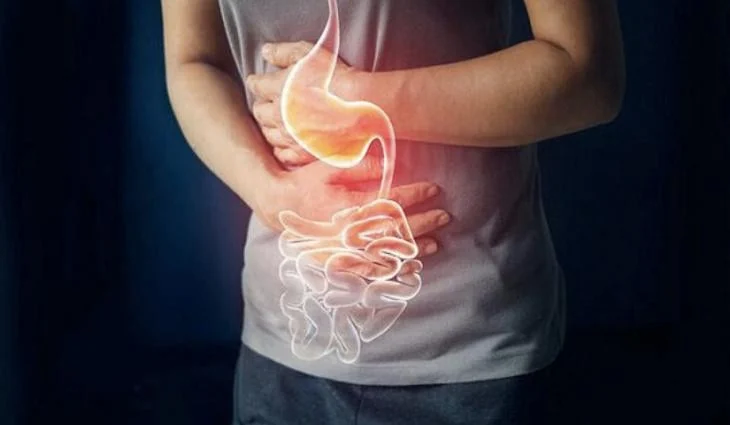
Heartburn is a burning feeling in the area above the navel (the epigastrium) or behind the breastbone, which may spread from the stomach up the esophagus, sometimes reaching the throat. It is more noticeable after eating, when bending over or when lying down. Many people also have acid regurgitation, with a sour or bitter fluid rising into the mouth.
The main cause lies in the lower esophageal sphincter. When this muscle weakens or relaxes at the wrong time, stomach acid can easily flow back up, irritating the lining of the esophagus and causing a burning sensation. An occasional episode is usually nothing to worry about, but if it keeps recurring, it is worth seeing a doctor to find the cause.
Habits that can trigger heartburn
Many cases of heartburn stem from eating habits and daily routines, and can improve with lifestyle changes. Common factors include:
- Fried and greasy food, spicy dishes, coffee, alcohol, chocolate, mint and acidic fruits such as oranges, lemons and pomelos. These stimulate the stomach to produce more acid or loosen the muscle at the lower end of the esophagus.
- Eating too much, eating late at night, or lying down before food has had time to digest.
- Being overweight, especially with fat around the abdomen pressing on the stomach.
- Smoking, as nicotine makes the lower esophageal sphincter less firm.
- Bending over after a large meal, which makes it easier for food and stomach juices to flow back up.
- Wearing clothes that are tight around the waist, which raises pressure inside the abdomen.
- Side effects of certain medicines taken for other conditions.
Conditions that can cause persistent heartburn
When heartburn happens often, the doctor will consider several digestive conditions, such as:
- Gastroesophageal reflux disease, abbreviated as GERD.
- Stomach and duodenal ulcers.
- Inflammation of the esophagus caused by acid reflux (esophagitis).
- Esophageal motility disorders.
- Diaphragmatic (hiatal) hernia.
Reflux left untreated for a long time can lead to narrowing of the esophagus, chronic esophagitis and Barrett's esophagus, while also raising the risk of esophageal cancer.
Signs you should see a doctor early
Heartburn after a greasy or overly large meal is usually not a concern. You should see a doctor if you experience any of the following:
- Heartburn two or more times a week.
- Discomfort lasting many weeks or months.
- No improvement despite changing your diet.
- Heartburn together with severe chest pain.
- Difficulty or pain when swallowing.
- Prolonged nausea or vomiting.
- Unexplained weight loss.
- Vomiting blood, or passing black stools.
Everyday ways to reduce heartburn
Alongside treatment as directed by your doctor, you can help keep heartburn from coming back with a few small changes:
- Eat slowly, chew well, split food into several small meals and avoid overeating.
- Cut down on greasy and spicy food, coffee, alcohol and fizzy drinks.
- Wait 2-3 hours after eating before lying down or bending over.
- Keep a healthy weight and quit smoking.
- Choose clothes that are loose around the waist.
- If you often have reflux at night, raise the head of the bed by about 15-20 cm.
Trusted clinic for heartburn and acid reflux in Ho Chi Minh City
Ky Hoa Medical Center has nearly 20 years of experience in medical care in Ho Chi Minh City, with a team of highly qualified doctors and a careful, transparent way of working. For heartburn and acid reflux, our Internal Medicine doctors take time to listen, examine carefully and explain clearly so that you fully understand your condition, then agree together on a treatment and follow-up plan.
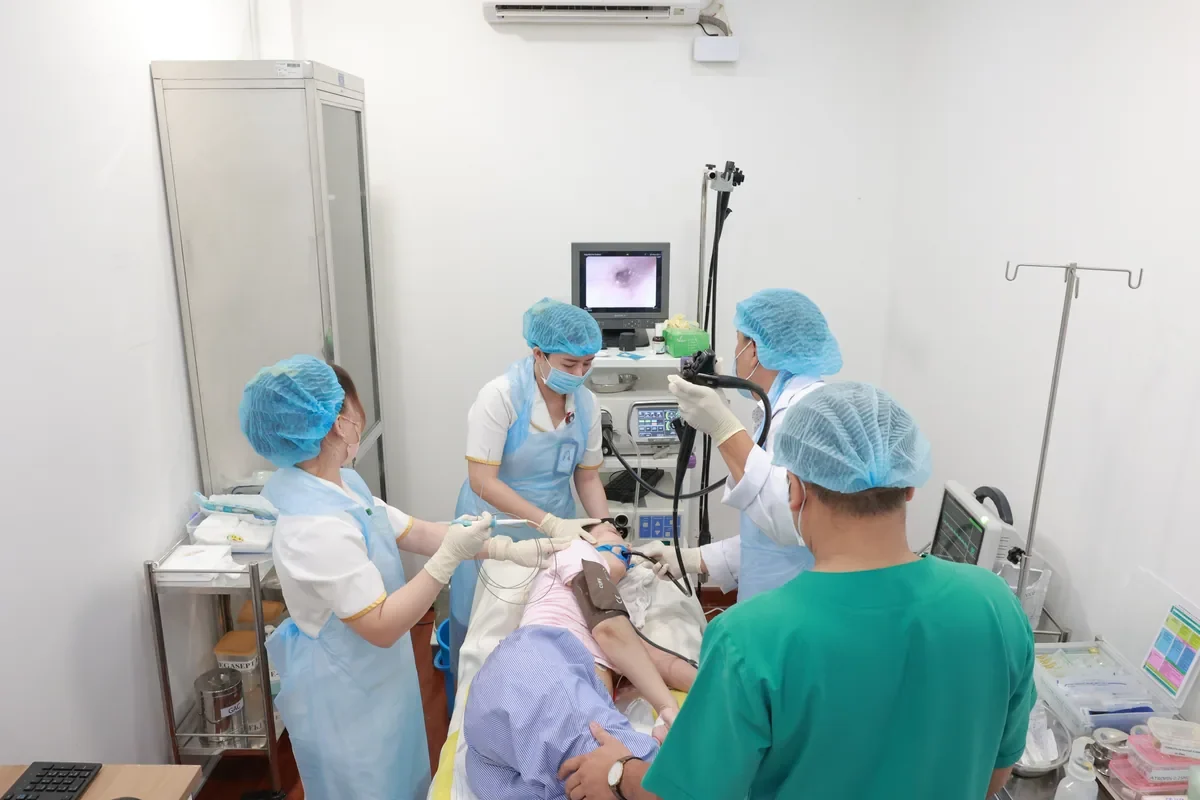
Endoscopy is performed on site, so you can complete check-ups in one place, which makes follow-up visits easier.
The center operates under Operating License No. 00449/HCM-GPHĐ, with a list of medical techniques approved by the Ho Chi Minh City Department of Health (Decision 471/QĐ-SYT), and is a primary care facility contracted with Ho Chi Minh City Social Security, accepting health insurance (BHYT) visits on Saturdays as well. The practising certificates of our 24 doctors are published on our Doctors page.
If heartburn keeps coming back or you notice any of the signs above, you can come to Ky Hoa Medical Center for an Internal Medicine consultation: simply walk in during opening hours and take a queue number. When needed, the doctor will order a digestive endoscopy or suitable laboratory tests to find the real cause.
Ky Hoa Medical Center
Address: 266A - 268 3 Thang 2 Street, Hoa Hung Ward, Ho Chi Minh City
Opening hours: Monday to Saturday, 6:30 - 11:30 and 13:00 - 17:00 (closed on Sunday)
Hotline: 028.3868.1097
Source: Suc Khoe & Doi Song (Health & Life) newspaper