
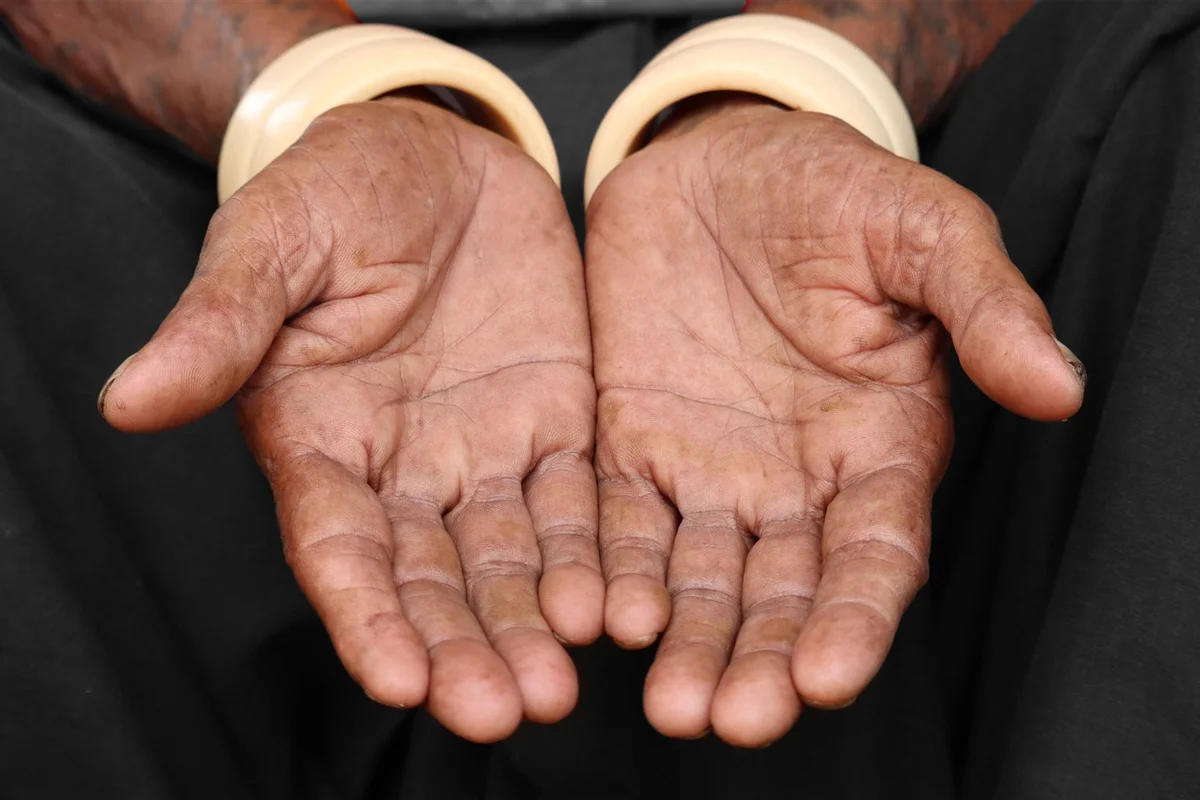
Rheumatoid arthritis is an autoimmune disease that causes swelling and pain in many small joints of the hands and feet, and can lead to joint deformity if left untreated. This article helps you recognize early signs and understand why timely medical attention is needed.
What is rheumatoid arthritis?
This is a disease in which the immune system mistakenly attacks the membrane surrounding the joints, causing persistent inflammation. Over time, the inflammation damages cartilage and bone, causing the joints to shift, become deformed and lose function. The disease is most common in women aged 30 to 60, but men and younger people can also develop it.
Unlike osteoarthritis caused by age-related "wear and tear," rheumatoid arthritis is a systemic inflammatory disease that can also affect the heart, lungs, eyes and blood.
Early signs to watch for
- Morning joint stiffness lasting more than 30 minutes, requiring movement for a while before being able to do activities.
- Swelling and pain in the small joints: finger joints, wrists, joints of the feet.
- Often affects both sides of the body at the same time, symmetrically.
- Difficulty making a tight fist, trouble opening bottle caps, fastening buttons.
- Fatigue, low-grade fever, weight loss, loss of appetite.
- Later on, hard lumps may appear under the skin near the elbows, and fingers may deviate to one side.
Why is early treatment important?
The first years of the disease are considered the "golden window": if diagnosed and treated at this stage, joint damage can be slowed and long-term mobility preserved. If left late, once the joints are already deformed, recovery is very difficult.
Many people buy painkillers or medications of unknown origin on their own to take. These may temporarily relieve pain but mask the disease, while also harming the stomach, liver, kidneys and bones.
How are the disease and its progression monitored?
The doctor will examine the joints, order blood tests to look for signs of inflammation and factors related to autoimmune disease, combined with X-rays or joint ultrasound. Patients need regular follow-up visits so the doctor can adjust treatment and monitor side effects.
Daily living
- Stay lightly active every day, doing finger and wrist stretching exercises.
- Keep hands and feet warm in cold weather, soak hands in warm water in the morning.
- Eat plenty of vegetables and fish, limit fried foods; quit smoking.
- Maintain a healthy weight to reduce the load on your joints.
If you are experiencing swollen and painful finger joints or morning stiffness lasting more than 30 minutes, please come in person during opening hours to Ky Hoa Medical Center, 266A - 268 3 Thang 2 Street, Hoa Hung Ward, Ho Chi Minh City. Hotline 028.3868.1097, Zalo 082.299.3377.