
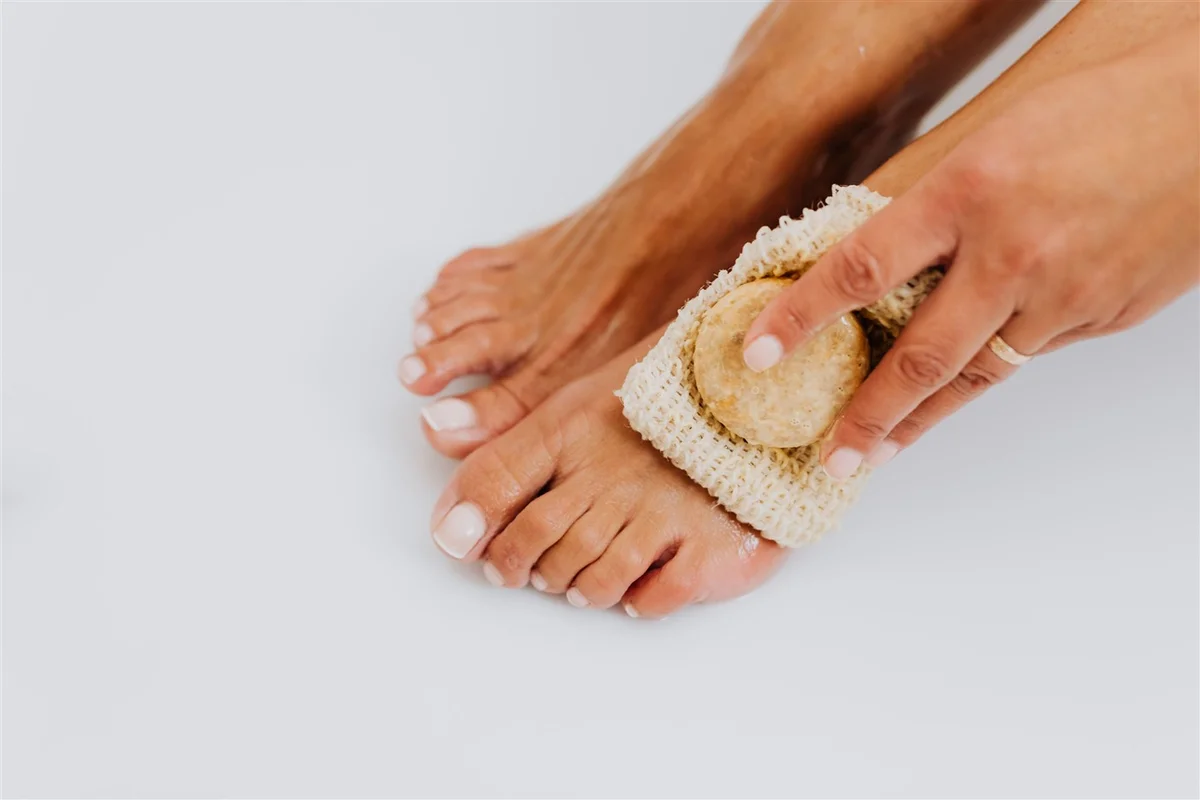
Fungal skin infections such as ringworm (hắc lào) and tinea versicolor (lang ben) are very common in hot, humid climates and often keep coming back. This article helps you identify each type, understand why the infection is hard to clear, and learn how to prevent it day to day.
Common types of fungal skin infections
Ringworm (hắc lào)
Round or oval red patches, with raised, scaly borders and small blisters; the center is often paler. Very itchy, commonly found in the groin, buttocks, and trunk. It spreads through direct contact or by sharing towels and clothing.
Tinea versicolor (lang ben)
Small white, pink, or light brown spots with a fine, flour-like scale, usually on the back, chest, neck, and shoulders. Little or no itching; more noticeable in sunlight or when sweating. Tinea versicolor is related to a fungus naturally present on the skin, which thrives when the skin is moist and oily.
Athlete's foot and jock itch
The skin between the toes becomes white, soggy, cracked, and odorous; the groin area becomes red, itchy, and burning. Common in people who wear closed shoes all day, wade in water, or wear tight clothing.
Why do fungal skin infections keep coming back?
- Stopping medication as soon as the itching stops, while the fungus is still present under the skin.
- Self-medicating with topical products containing strong anti-inflammatory ingredients: the skin looks less red at first, but the fungus spreads further.
- A hot, humid environment, heavy sweating, and not changing clothes in time.
- Family members are also affected but are not treated at the same time.
- Diabetes and being overweight make the skin more prone to fungal infection.
Daily prevention of fungal skin infections
- Bathe and dry the body thoroughly, especially skin folds and between the toes.
- Change clothes when sweating; choose breathable cotton fabrics.
- Do not share bath towels, clothing, or footwear.
- Wash and dry clothes in the sun; footwear should also be dried thoroughly.
- Check pets if you notice them losing hair in patches.
When should you see a dermatologist?
You should see a doctor when the patch spreads, recurs repeatedly, has not improved after self-treatment, or when the lesion is on the face, scalp, or nails. Other skin conditions such as eczema and psoriasis can look like a fungal infection, so a doctor's assessment is needed, and a fungal scraping may be performed for a more accurate diagnosis.
You can come in person during opening hours at Ky Hoa Medical Center, 266A - 268 3 Thang 2 Street, Hoa Hung Ward, Ho Chi Minh City. Hotline 028.3868.1097, Zalo 082.299.3377.