

Rosacea is a chronic skin inflammation that keeps the face red and is often mistaken for acne. Recognizing it and avoiding triggers means fewer flare-ups.
Besides redness, people with rosacea may also have bumps, pus-filled spots, visible small blood vessels and an uncomfortable burning or stinging feeling. Because the condition often comes back, daily skin care is just as important as treatment.
Who gets rosacea and why
Adults are the group most often affected, especially between the ages of 30 and 60, both men and women. The usual area is the center of the face: the cheeks, nose, forehead and chin. The skin may flare up in episodes and then calm down, or stay red persistently and relapse many times.
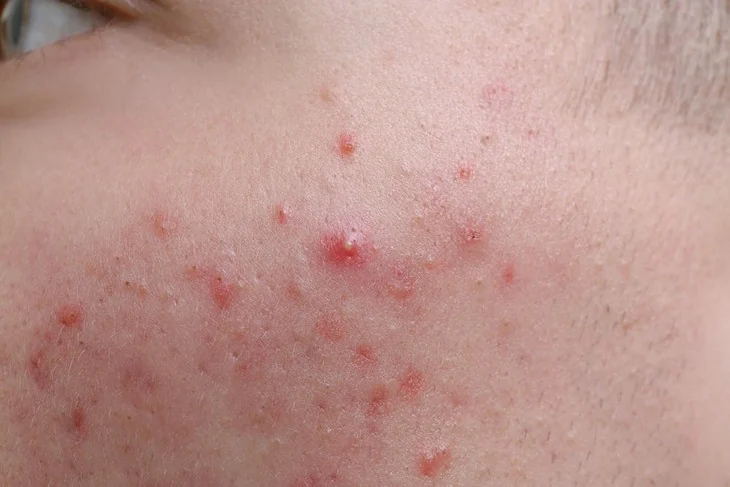
Unlike ordinary acne, rosacea does not have blackheads or whiteheads. Confusing the two conditions can easily lead to the wrong skin care and treatment.
The exact cause has not yet been identified. The condition is thought to result from several factors acting together: an abnormal reaction of the skin's immune system, disorders of the nerves and blood vessels, a genetic predisposition and the living environment. Some studies suggest that the innate immune system and the skin's natural antibacterial substances, when overactive, may widen the blood vessels and promote inflammation.
Triggers that can make the condition flare, depending on the person, include ultraviolet rays in sunlight, heat, sudden temperature changes, alcohol, spicy food, stress or certain cosmetics. Notably, some creams, if used for the wrong purpose or for too long, can cause or worsen rosacea, so do not buy creams on your own to put on facial lesions.
Common signs
- The center of the face turns red in episodes or stays red for a long time.
- Tiny blood vessels under the skin become clearly visible, especially on the cheeks and nose.
- Red bumps and pus-filled spots on the nose, cheeks, forehead and chin.
- Skin that feels hot, burning or stinging and is easily irritated.
- Dry, tight skin that sometimes peels.
Symptoms are usually more noticeable after drinking alcohol, eating spicy food, being in the sun or staying in hot places. Some people also have eye symptoms such as redness, dryness, grittiness, burning or inflamed eyelid margins; if the eyes become very red, painful, blurry or sensitive to light, see an eye doctor soon. Less commonly, the skin on the nose can thicken because of overgrown oil glands, gradually changing the shape of the nose, mostly in men, if the condition is not kept under control.
Diagnosis and treatment
Doctors diagnose rosacea mainly through an examination and the features of the skin lesions, while distinguishing it from ordinary acne, seborrheic dermatitis, perioral dermatitis, contact dermatitis or redness caused by using skin creams incorrectly.
The goal of treatment is to reduce inflammation, redness and bumps, and to help the condition flare up less often. Depending on the symptoms, the doctor will prescribe medicine applied to the skin or taken by mouth; if the blood vessels are very dilated, the doctor may consider a specialized treatment. Do not buy creams on your own, as some types make the skin even harder to control.
Five skin care tips to limit flare-ups
- Avoid things that have made your condition flare before, such as harsh sun, heat, alcohol and hot or spicy food, if those are really your triggers.
- Apply a broad-spectrum sunscreen every day and cover up well when going out.
- Choose a gentle cleanser and moisturizer made for sensitive skin. Not every moisturizer makes the condition worse.
- Do not rub or scrub hard, and stop using any cosmetics that cause burning.
- Keep track of each flare-up so you know which factors you are sensitive to and can avoid them.
Trusted clinic for rosacea in Ho Chi Minh City
With nearly 20 years of experience and a team of highly qualified doctors, Ky Hoa Medical Center is a familiar choice for many families in Ho Chi Minh City when they need care for rosacea. Here, our Dermatology doctors take time to listen, examine carefully and explain clearly so that you fully understand your condition, then agree together on a treatment and follow-up plan.
The center operates under Operating License No. 00449/HCM-GPHĐ, with a list of medical techniques approved by the Ho Chi Minh City Department of Health (Decision 471/QĐ-SYT), and is a primary care facility contracted with Ho Chi Minh City Social Security, accepting health insurance (BHYT) visits on Saturdays as well. The practising certificates of our 24 doctors are published on our Doctors page.
Although rosacea is long-lasting and tends to come back, it can be controlled with proper treatment and care. If your face stays red for a long time, bumps and pimples keep coming back or your eyes show unusual symptoms, simply walk in during opening hours and take a queue number at Ky Hoa Medical Center to be examined by doctors in Dermatology and Ophthalmology, rather than using ordinary acne products on your own.
Ky Hoa Medical Center
Address: 266A - 268 3 Thang 2 Street, Hoa Hung Ward, Ho Chi Minh City
Opening hours: Monday to Saturday, 6:30 - 11:30 and 13:00 - 17:00 (closed on Sunday)
Hotline: 028.3868.1097
Source: Suc Khoe & Doi Song (Health & Life) newspaper