

Early stomach cancer often has few symptoms and is easily mistaken for common digestive problems. Knowing risk groups and warning signs helps you act in time.
The disease can occur at many ages, and men are affected more often than women. Most early signs are quite vague, so it is easy to think it is just a stomach ache or indigestion and buy medicine on your own. Understanding who is at risk and which symptoms need attention helps you avoid missing the chance to detect the disease.
High-risk groups
- Long-term H. Pylori infection: the bacteria cause chronic gastritis, thinning of the stomach lining (atrophy) and intestinal metaplasia, and in some people lead to precancerous changes. Eliminating H. Pylori may help reduce the risk.
- Smoking: smokers have a higher risk than non-smokers. Quitting benefits the stomach as well as many other organs.
- Eating salty food, or often eating smoked, salt-cured or improperly stored food. On the other hand, a varied diet rich in green vegetables and fruit is good for overall health.
- Existing precancerous changes in the stomach such as intestinal metaplasia, chronic atrophic gastritis or certain gastric adenomatous polyps, or having pernicious anemia. People who have had part of their stomach removed should also be assessed and monitored by a doctor.
- A parent, child or sibling who has had stomach cancer. Some inherited syndromes such as Peutz-Jeghers syndrome, juvenile polyposis, Lynch syndrome, familial adenomatous polyposis (FAP) or hereditary diffuse gastric cancer also increase the risk.
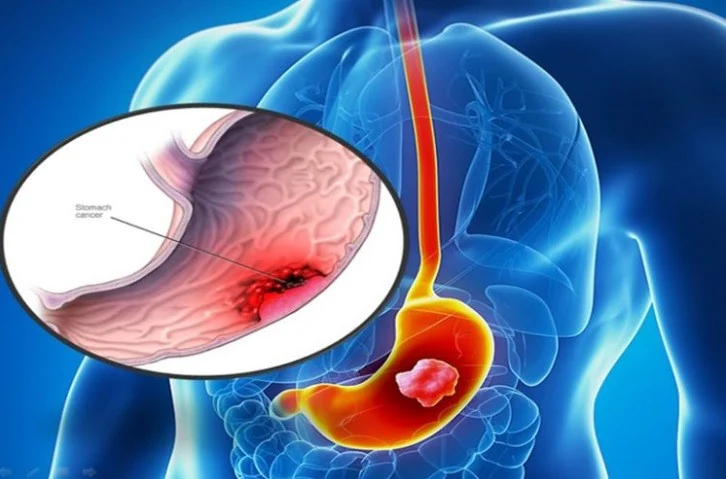
6 signs to watch for
The signs below are also common in many benign digestive conditions, so having symptoms does not mean you have cancer. What matters is that symptoms which last or get worse should be checked.
- Bloating, indigestion, feeling full quickly: a tight stomach or feeling full after just a few bites. If it persists or becomes more noticeable, get it checked.
- Pain or discomfort above the navel: reflux, stomach ulcers and many other conditions cause similar pain, so do not try to guess the disease from the pain alone.
- Prolonged loss of appetite and nausea: these make the person eat less and less, and deserve more attention when combined with weight loss.
- Unintended weight loss and tiredness: especially when weight drops quickly in a short time, along with loss of appetite, abdominal pain or nausea.
- Vomiting blood or passing black stools: signs of bleeding in the digestive tract. This is not always caused by cancer but needs prompt medical attention, especially if the person feels exhausted or dizzy.
- Persistent heartburn and acid reflux: mostly not cancer, but if it keeps coming back or comes with difficulty swallowing, vomiting, weight loss, upper abdominal pain or digestive bleeding, the cause should be investigated.
Do not wait for severe symptoms to see a doctor
None of the symptoms above is specific to stomach cancer, and many benign conditions cause similar signs. However, ignoring them or treating yourself for a long time can delay the diagnosis.
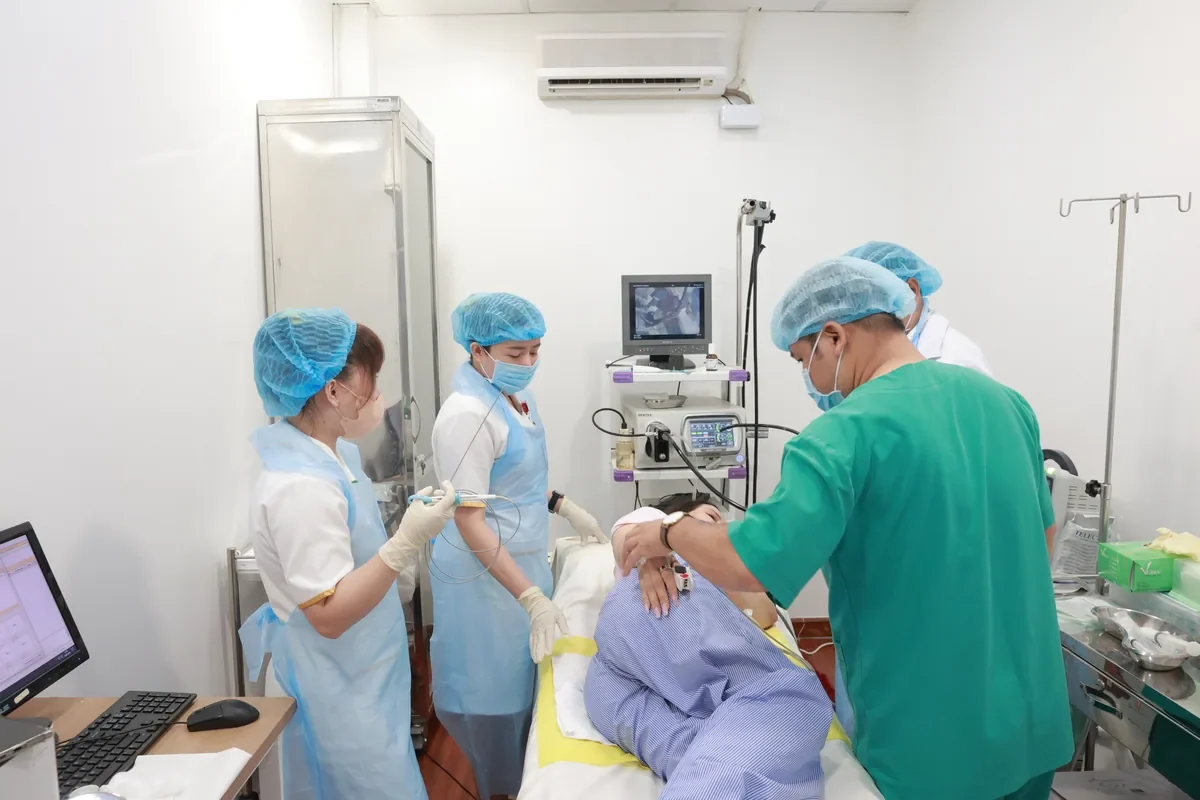
Anyone in a high-risk group, such as having a family member with the disease, intestinal metaplasia, atrophic gastritis, H. Pylori infection or an inherited syndrome, should ask the doctor about suitable monitoring. For those who need it, a gastroscopy (upper endoscopy) lets the doctor see abnormal areas and take biopsy samples if necessary. The earlier the disease is found, the more treatment options there are.
Trusted clinic for stomach conditions in Ho Chi Minh City
For nearly 20 years, Ky Hoa Medical Center has cared for the health of people in Ho Chi Minh City, bringing together highly qualified doctors who are attentive at every visit. When stomach conditions needs checking, our Internal Medicine doctors take time to listen, examine carefully and explain clearly so that you fully understand your condition, then agree together on a treatment and follow-up plan.
Endoscopy is performed on site, so you can complete check-ups in one place, which makes follow-up visits easier.
The center operates under Operating License No. 00449/HCM-GPHĐ, with a list of medical techniques approved by the Ho Chi Minh City Department of Health (Decision 471/QĐ-SYT), and is a primary care facility contracted with Ho Chi Minh City Social Security, accepting health insurance (BHYT) visits on Saturdays as well. The practising certificates of our 24 doctors are published on our Doctors page.
When digestive symptoms last a long time, especially with unexplained weight loss, black stools, feeling full quickly or loss of appetite, you can come to Ky Hoa Medical Center for an Internal Medicine consultation: simply walk in during opening hours and take a queue number. The doctor will examine you and order an endoscopy or suitable laboratory tests.
Ky Hoa Medical Center
Address: 266A - 268 3 Thang 2 Street, Hoa Hung Ward, Ho Chi Minh City
Opening hours: Monday to Saturday, 6:30 - 11:30 and 13:00 - 17:00 (closed on Sunday)
Hotline: 028.3868.1097
Source: Suc Khoe & Doi Song (Health & Life) newspaper