
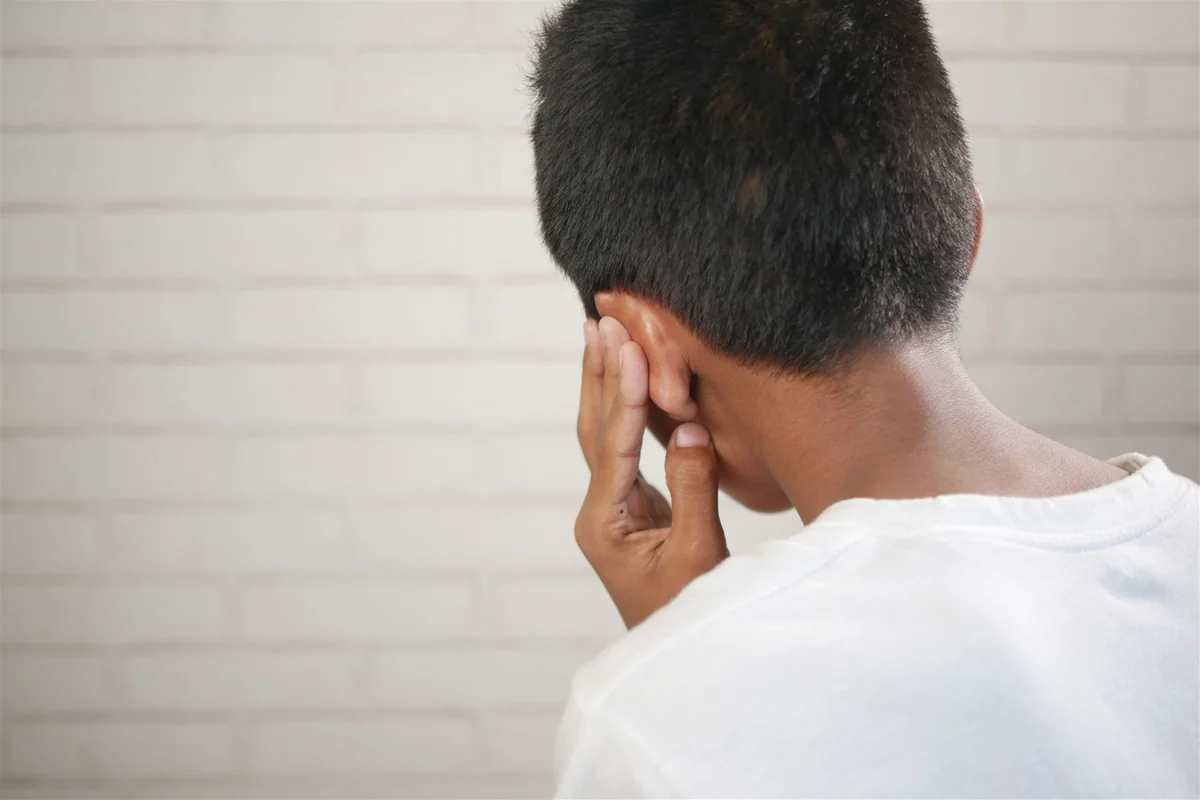
Outer ear infection (otitis externa) is inflammation of the ear canal, often occurring after swimming or bathing and washing hair with water left standing in the ear, or from the habit of picking the ears. This article helps you recognize it early, care for it properly, and prevent it for the whole family.
What is outer ear infection?
The outer ear canal is the section from the ear opening to the eardrum, covered by a thin layer of skin and protected by earwax. When the skin of the ear canal is scratched or stays moist for a long time, bacteria and fungi easily grow and cause inflammation. The condition is also called "swimmer's ear."
Common causes
- Water left standing in the ear after swimming, bathing, or washing hair.
- Cleaning the ears with cotton swabs, sticks, hairpins, or fingernails scratches the skin of the ear canal.
- Removing earwax too thoroughly removes the natural protective layer.
- Wearing in-ear headphones for long periods, or sharing earphones.
- Eczema or seborrheic dermatitis of the ear canal skin.
- People with diabetes are more susceptible and more likely to develop severe disease.
Signs to recognize
- Ear pain, which worsens when pulling the outer ear or pressing on the tragus, and pain when chewing.
- Itching inside the ear.
- The ear canal is red and swollen, with discharge or pus.
- A feeling of fullness in the ear and reduced hearing because the swollen canal narrows.
- There may be fever and swollen lymph nodes in front of or behind the ear.
What you should and should not do
- Keep the ear dry: after swimming or bathing, tilt your head to let the water drain out and gently wipe the outer ear with a towel.
- Wear a swim cap or use earplugs when swimming if you are prone to this.
- Do not pick or clean your ears; normal earwax will come out on its own.
- Do not put oil, alcohol, garlic, or medicine of unknown origin into your ear on your own.
- Do not share earphones, and clean earphones regularly.
When should you see a doctor?
You should see a doctor if you have severe ear pain, pus or discharge, swelling that spreads to the face, fever, reduced hearing, or if a person with diabetes has ear pain. The doctor will examine the ear, clean the ear canal, and prescribe appropriate medication; it must be taken correctly and for the full course. You can come in person during opening hours at Ky Hoa Medical Center, 266A - 268 3 Thang 2 Street, Hoa Hung Ward, Ho Chi Minh City. Hotline 028.3868.1097, Zalo 082.299.3377.