
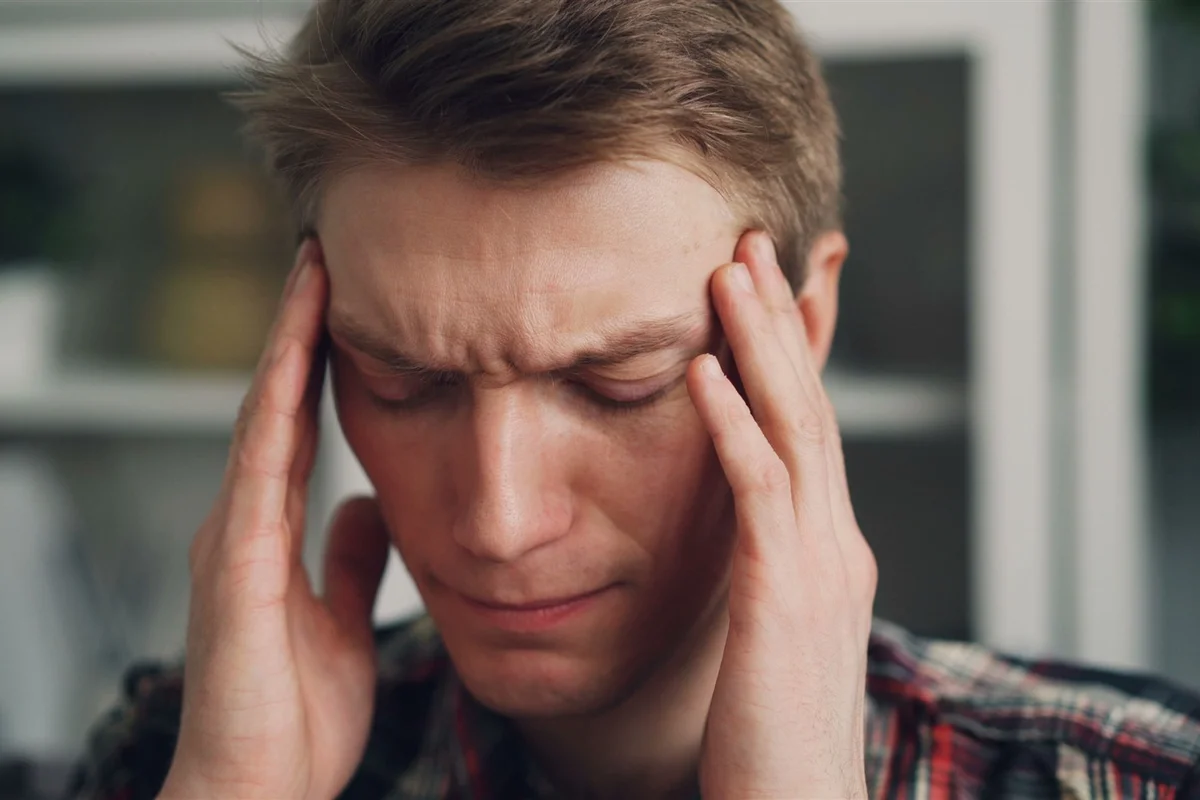
Tension-type headache is the most common type of headache, with a sensation of a band tightening around the head. This article helps you recognize it, relieve the pain by changing habits, and know when you need to see a doctor.
Recognizing tension-type headache
- A dull, heavy ache or a tight squeezing sensation across the forehead, both temples, or the back of the neck.
- Pain on both sides of the head, mild to moderate in severity, and you can still keep working.
- Usually no nausea, no vomiting, and less light sensitivity than migraine.
- Often accompanied by neck, shoulder, and upper back fatigue and muscle tension.
- It can last from a few tens of minutes to several days.
Why do you get tension headaches?
- Work and study pressure, prolonged worry.
- Sitting at the computer for a long time, bending the head to look at the phone, and poor posture straining the neck muscles.
- Lack of sleep, irregular sleep hours.
- Skipping meals, drinking too little water, drinking a lot of coffee and then stopping suddenly.
- Eye strain from looking at screens, uncorrected refractive errors.
Non-drug pain relief methods
- Take a short 5-minute break every hour: stand up, stretch, and look into the distance.
- Gently massage the temples, neck, and shoulders; apply warm compresses to the neck and shoulder area.
- Breathe slowly and deeply for a few minutes when you feel stressed.
- Get a full 7 to 8 hours of sleep, going to bed and waking up at regular times.
- Eat regular meals and drink enough water; cut down on coffee gradually instead of stopping suddenly.
- Regular walking, swimming, and yoga help reduce stress.
Overusing pain relievers, taking them many days each week, can cause the very condition known as medication-overuse headache, making attacks more frequent. If you have to take pain relievers regularly, see a doctor.
When should a headache be seen by a doctor immediately?
- A sudden, severe headache, the "worst headache of your life."
- Headache with fever, a stiff neck, and repeated vomiting.
- Accompanied by limb weakness, facial drooping, slurred speech, or blurred vision: call emergency services immediately.
- Headache after a blow to the head.
- A headache that first appears after age 50, or one that is getting progressively worse.
For recurrent headaches, you can come in person during opening hours at Ky Hoa Medical Center, 266A - 268 3 Thang 2 Street, Hoa Hung Ward, Ho Chi Minh City. Hotline 028.3868.1097, Zalo 082.299.3377.