

Periodontitis is a chronic disease that quietly wears down the tissues holding your teeth. Catching it early keeps teeth firm longer and helps avoid tooth loss.
What is periodontitis
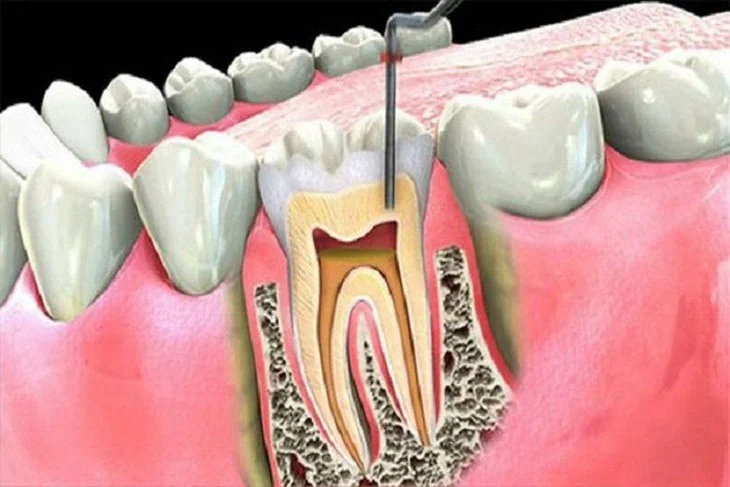
Each tooth stays firmly in place thanks to the gums, the ligaments and the bone socket around it. Periodontitis (gum disease) is when these tissues become inflamed and infected. The disease is closely linked to bacterial plaque and tartar that build up over time, especially in people who do not clean their teeth thoroughly. It can smolder for years before the teeth start to loosen, so waiting until it hurts to see a dentist is often too late.
Signs and consequences of the disease
- Red, swollen gums that bleed when brushing, and sometimes bleed on their own.
- Heavy tartar buildup both above and below the gum line.
- Pockets forming around the teeth, where fluid or pus may be seen during an examination.
- Bad breath even after brushing.
- Receding gums, exposed tooth roots and sensitive teeth.
- Teeth that become loose or drift out of their usual position.
On an X-ray, the dentist may see that the bone around the teeth has been lost to varying degrees. If left untreated, the damage keeps spreading, the teeth gradually lose their support and the risk of losing teeth increases.
Daily oral care
- Brush your teeth at least twice a day, especially in the evening before bed.
- Use a soft-bristled toothbrush and fluoride toothpaste, and brush gently and correctly to clean every tooth surface and the gum line. Brushing too hard can easily injure the gums and wear down the necks of the teeth.
- Use dental floss or a properly sized interdental brush to remove food from between the teeth.
- Mouthwash only helps in certain cases and cannot replace brushing and cleaning between the teeth.
Regular check-ups and scaling
Regular dental check-ups help detect gingivitis, periodontitis and tooth decay early, along with factors that make disease more likely, such as crowded teeth, ill-fitting dental restorations or areas that are hard to clean.
Tartar is simply plaque that has hardened. It cannot be removed by brushing at home, and it makes it easier for new plaque to stick. Even so, there is no universal rule that everyone must have their teeth scaled every 3-6 months. How often you need a cleaning depends on the current state of your mouth and how prone you are to disease; people who have had periodontitis may need more frequent follow-up visits as their dentist advises.
Because it is a chronic disease, even after it improves you should keep up good oral hygiene and return for follow-up visits on the dates your dentist gives you. Whether medicine is needed is for the doctor to decide when the disease flares up or has complications. Do not buy medicines, gels or medicated mouthwashes on your own for long-term use, because the core of treatment is still removing plaque, tartar and the causes of the disease.
Diet, lifestyle and underlying conditions
Meals should be varied, with enough protein, vitamins and minerals, and you should drink enough water. When your gums are inflamed, sore or bleeding, cut back on very hard, hot or spicy foods if they make things worse. Eating fewer sweets helps prevent tooth decay. Smoking is a major risk factor for gum disease and makes treatment less effective, so it is important to quit.
Poorly controlled diabetes and periodontitis affect each other. People with HIV, conditions that weaken the immune system or blood disorders are also more likely to have serious oral health problems. People with chronic illnesses should therefore keep their condition stable and tell their dentist about their full health status so that a suitable treatment plan can be made.
Trusted clinic for gum disease (periodontitis) in Ho Chi Minh City
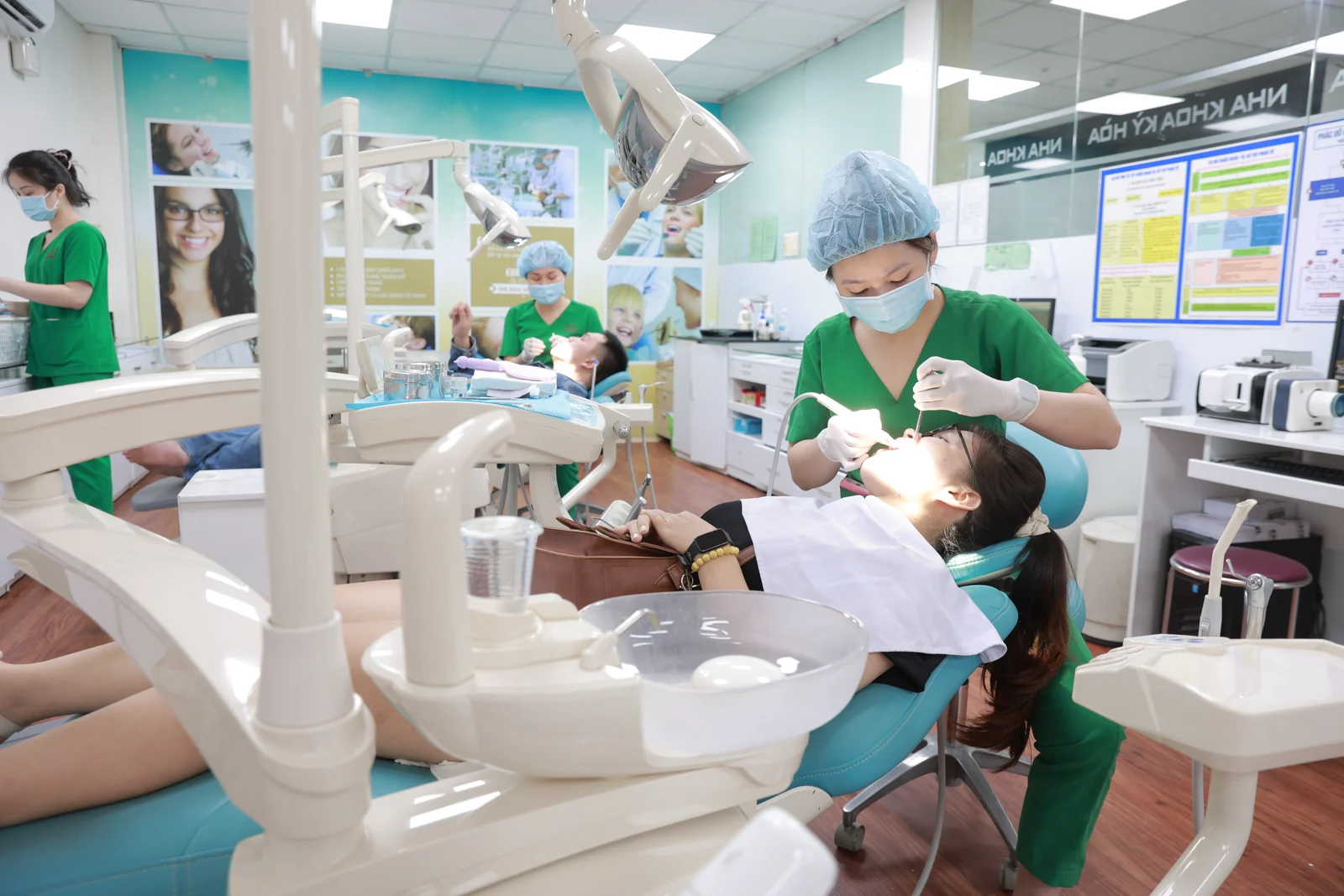
For nearly 20 years, Ky Hoa Medical Center has cared for the health of people in Ho Chi Minh City, bringing together highly qualified doctors who are attentive at every visit. When gum disease (periodontitis) needs checking, our Dentistry doctors take time to listen, examine carefully and explain clearly so that you fully understand your condition, then agree together on a treatment and follow-up plan.
The center operates under Operating License No. 00449/HCM-GPHĐ, with a list of medical techniques approved by the Ho Chi Minh City Department of Health (Decision 471/QĐ-SYT), and is a primary care facility contracted with Ho Chi Minh City Social Security, accepting health insurance (BHYT) visits on Saturdays as well. The practising certificates of our 24 doctors are published on our Doctors page.
When your gums often bleed, look red and swollen, or you have bad breath, receding gums or teeth starting to loosen, see a dentist early rather than waiting until it hurts. Ky Hoa Medical Center has a Dentistry (Oral & Maxillofacial) department and dental services; simply walk in during opening hours and take a queue number, and a doctor will check your teeth, remove tartar when needed and show you how to care for them.
Ky Hoa Medical Center
Address: 266A - 268 3 Thang 2 Street, Hoa Hung Ward, Ho Chi Minh City
Opening hours: Monday to Saturday, 6:30 - 11:30 and 13:00 - 17:00 (closed on Sunday)
Hotline: 028.3868.1097
Source: Suc Khoe & Doi Song (Health & Life) newspaper