
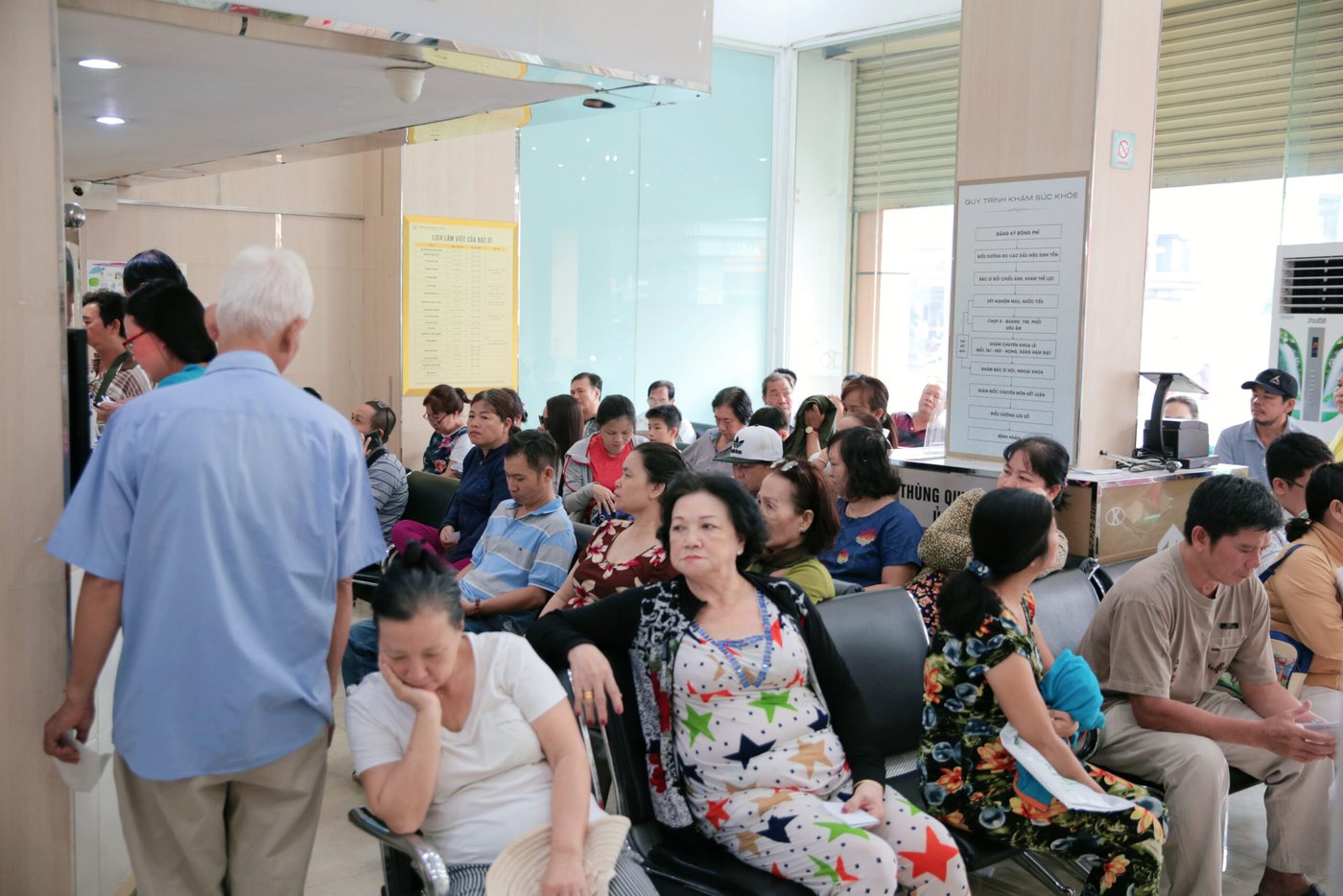
Internal medicine diseases are conditions inside the body that are diagnosed and treated with medication, diet, lifestyle and monitoring, without surgery. An internal medicine examination is the first general check-up for most common symptoms: fatigue, fever, cough, abdominal pain, dizziness, high blood pressure, high blood sugar. At Ky Hoa Medical Center, General Internal Medicine is the specialty that receives the most visits and offers examinations with health insurance (BHYT).
What is an internal medicine examination?
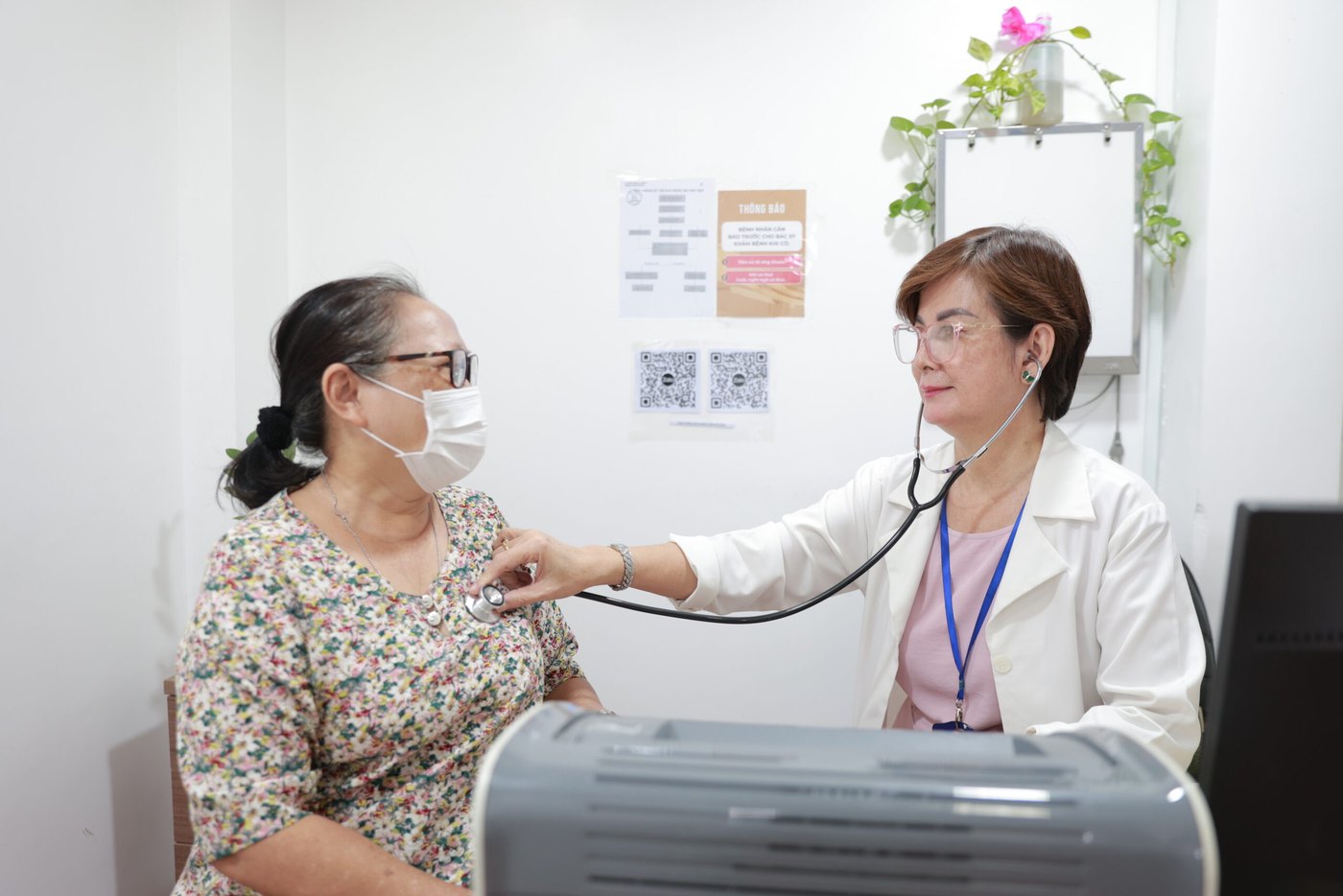
The internal medicine doctor asks about symptoms, medical history and current medications; measures blood pressure, listens to the heart and lungs, and examines the abdomen; then orders blood tests, urine tests, ultrasound, X-ray or electrocardiogram if needed. After the results are available, the doctor makes a diagnosis, prescribes medication or gives monitoring instructions, and refers the patient to a more specialized department when the condition falls outside the scope of internal medicine. In short, internal medicine is the "first door" for most health problems in adults.
8 common groups of internal medicine diseases
1. Cardiovascular diseases
- Hypertension: blood pressure persistently higher than normal, which over time can lead to stroke, myocardial infarction and kidney failure.
- Coronary artery disease: narrowing of the arteries that supply blood to the heart, causing angina; in severe cases, myocardial infarction.
2. Respiratory diseases
- Asthma: a chronic disease of the airways causing shortness of breath, cough and episodes of wheezing.
- Chronic obstructive pulmonary disease (COPD): includes chronic bronchitis and emphysema, often seen in long-term smokers.
3. Digestive diseases
- Gastric and duodenal ulceration: pain above the navel, acid reflux, indigestion, possibly related to H. pylori bacteria.
- Fatty liver, hepatitis, cirrhosis: long-term liver damage, often detected only through tests and ultrasound.
4. Kidney and urinary diseases
- Chronic kidney failure: gradually declining kidney filtration function, often accompanied by hypertension and diabetes.
- Urinary tract infection: painful, frequent urination, possibly with fever.
5. Endocrine diseases
- Diabetes: persistently high blood sugar; many people who are not overweight still develop it.
- Thyroid disorders: hyperthyroidism, hypothyroidism, affecting weight, heart rate and sleep.
6. Neurological diseases
- Cerebrovascular accident (stroke): requires emergency care immediately when there is weakness on one side of the body, facial drooping or difficulty speaking.
- Vestibular disorders: dizziness, loss of balance, nausea.
7. Musculoskeletal diseases
- Arthritis, osteoarthritis: joint pain, stiffness and limited movement, often seen in older adults.
- Osteoporosis: brittle bones, prone to fractures after age 50, especially in postmenopausal women.
8. Infectious diseases
- Dengue fever: caused by the Dengue virus, transmitted by mosquitoes; close monitoring is needed from day 3 to day 7.
- Hepatitis B and C: silent for many years, detected through blood tests.
When should you get an internal medicine examination?
- Fatigue, unexplained weight loss, prolonged fever of unknown cause.
- Headache, dizziness, palpitations, shortness of breath on exertion.
- Recurring abdominal pain, acid reflux, digestive disorders.
- Already diagnosed with hypertension, diabetes or high cholesterol: periodic follow-up visits are needed to adjust medication.
- Over 40 years old and not having had a general check-up in the past 12 months.
Sudden signs such as weakness on one side of the body, difficulty speaking, severe chest pain or severe shortness of breath are emergencies: go to the nearest medical facility immediately, do not wait to be seen by queue number.
What do you need to prepare for an internal medicine examination at Ky Hoa?
- Citizen identity card and valid health insurance (BHYT) card if using insurance.
- Prescriptions, most recent test results, and blood pressure and blood sugar monitoring logbook if available.
- If you plan to have a blood test, come in the morning before eating breakfast.
- The center sees patients in order of queue number, no advance booking is required: come during opening hours and take a number at the reception counter.
Frequently asked questions
How do internal medicine diseases differ from surgical diseases?
Internal medicine diseases are treated with medication and lifestyle changes; surgical diseases require surgery or procedures. Many diseases begin in internal medicine; when surgery is needed, the doctor will refer the patient to surgery.
If you don't know what's wrong with you, which department should you visit?
Visit General Internal Medicine first. The internal medicine doctor will perform a general examination and then refer you to the appropriate specialty if needed.
Can I use my health insurance (BHYT) card for an internal medicine examination?
Yes. Ky Hoa Medical Center is a primary health insurance (BHYT) facility, offering general internal medicine examinations with a health insurance (BHYT) card, including on Saturday.
How long does an internal medicine examination take?
The clinical examination is usually quick; if laboratory tests or ultrasound are needed, allow extra time for results, most of which are received the same session.
The Internal Medicine Department of Ky Hoa Medical Center provides examination and follow-up for common internal diseases, with laboratory tests, ultrasound, X-ray and electrocardiogram on site. The center is open Monday to Saturday, 6:30 - 11:30 in the morning and 13:00 - 17:00 in the afternoon, closed on Sunday. Address 266A - 268 3 Thang 2 Street, Hoa Hung Ward, Ho Chi Minh City. Hotline 028.3868.1097.