
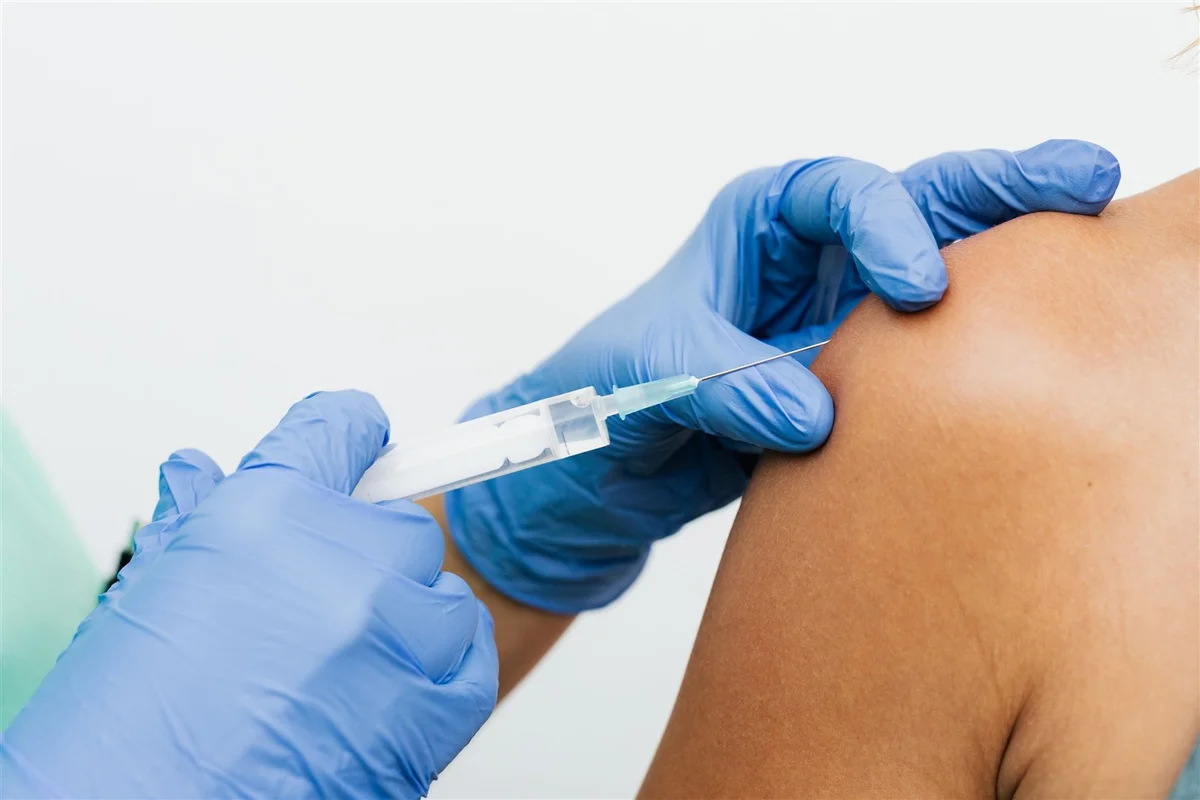
Vaccination is not just for young children: adults, older adults and people with chronic diseases also need vaccines to prevent illnesses that can become severe. This article helps you understand the vaccines commonly recommended.
Why do adults still need vaccines?
- Immunity from vaccines given in childhood can gradually wane over time.
- Many adults have never been fully vaccinated or do not remember what they received.
- The older a person is, the weaker the immune response becomes, and infections are more likely to turn severe.
- People with heart disease, lung disease, diabetes or kidney disease are more prone to complications when infected.
- Vaccination also helps protect family members, especially young children and grandparents in the household.
Vaccines commonly recommended for adults
- Flu: a booster is recommended every year because influenza viruses keep changing; it is especially important for people over 50, pregnant women and people with chronic diseases.
- Pneumococcal: prevents pneumococcal pneumonia and meningitis; recommended for older adults and people with underlying conditions.
- Hepatitis B: for those not yet infected and without antibodies; testing is recommended before vaccination.
- Tetanus: periodic boosters, and after a dirty wound if it has been a long time since the last dose.
- Shingles (herpes zoster): for older adults to reduce the risk of shingles and long-lasting nerve pain after shingles.
- HPV: prevents cervical cancer and some other diseases; can be given to adults within the recommended age range.
- Measles - mumps - rubella, chickenpox: for those without immunity, especially women preparing for pregnancy.
Each person has a different vaccination schedule depending on age, health and vaccination history, so specific advice from a doctor is needed.
Notes before and after vaccination
- Tell the doctor if you have a fever, are pregnant, have a history of allergy, or are being treated for a condition that reduces immunity.
- Bring your vaccination record or previous vaccination documents if you have them.
- Stay for about 30 minutes of observation after vaccination at the vaccination site.
- Mild pain at the injection site, low-grade fever and fatigue for 1 to 2 days are common reactions.
- Shortness of breath, widespread hives, swelling of the lips or face, or dizziness after vaccination: seek medical care immediately.
If you would like advice on a suitable vaccination schedule, you can come in person during opening hours at Ky Hoa Medical Center, 266A - 268 3 Thang 2 Street, Hoa Hung Ward, Ho Chi Minh City. Hotline 028.3868.1097, Zalo 082.299.3377.