
Young children often play in soil and sand and suck their fingers, so they are very easily infected with worms, which affects eating and development. This article helps parents recognize the signs, know when to deworm, and how to prevent reinfection for the whole family.
How do children get infected with worms?
- Swallowing worm eggs through dirty hands, thumb-sucking, or nail-biting.
- Eating raw vegetables or fruit that have not been washed clean; drinking water that has not been boiled.
- Playing in soil and sand, walking barefoot (hookworm larvae can penetrate the skin).
- Pinworms spread very quickly within a family and classroom through toys, clothing, and bedding.
Signs that a child may have a worm infection
- Intermittent dull pain around the navel, nausea, digestive disorders.
- Poor appetite, or eating a lot but gaining weight slowly.
- Anal itching at night, fussiness and crying, restless sleep (usually caused by pinworms).
- Pale skin, fatigue, and poor concentration due to anemia.
- Teeth grinding during sleep, drooling (not specific).
- Seeing worms in the stool or around the anus.
When should a child be dewormed?
According to current common recommendations, children 24 months of age and older can be dewormed regularly about once every 6 months, especially in places where sanitation conditions are limited. Children under 2 years old, children who are ill, who have liver or kidney disease, or who show signs suggestive of a worm infection should be examined by a doctor before taking medication. Parents should give deworming medication at the correct dose for the child's age, following the doctor's or pharmacist's instructions.
When one person in the family has a pinworm infection, the whole family should be dewormed at the same time to avoid passing it back and forth.
Preventing reinfection with worms
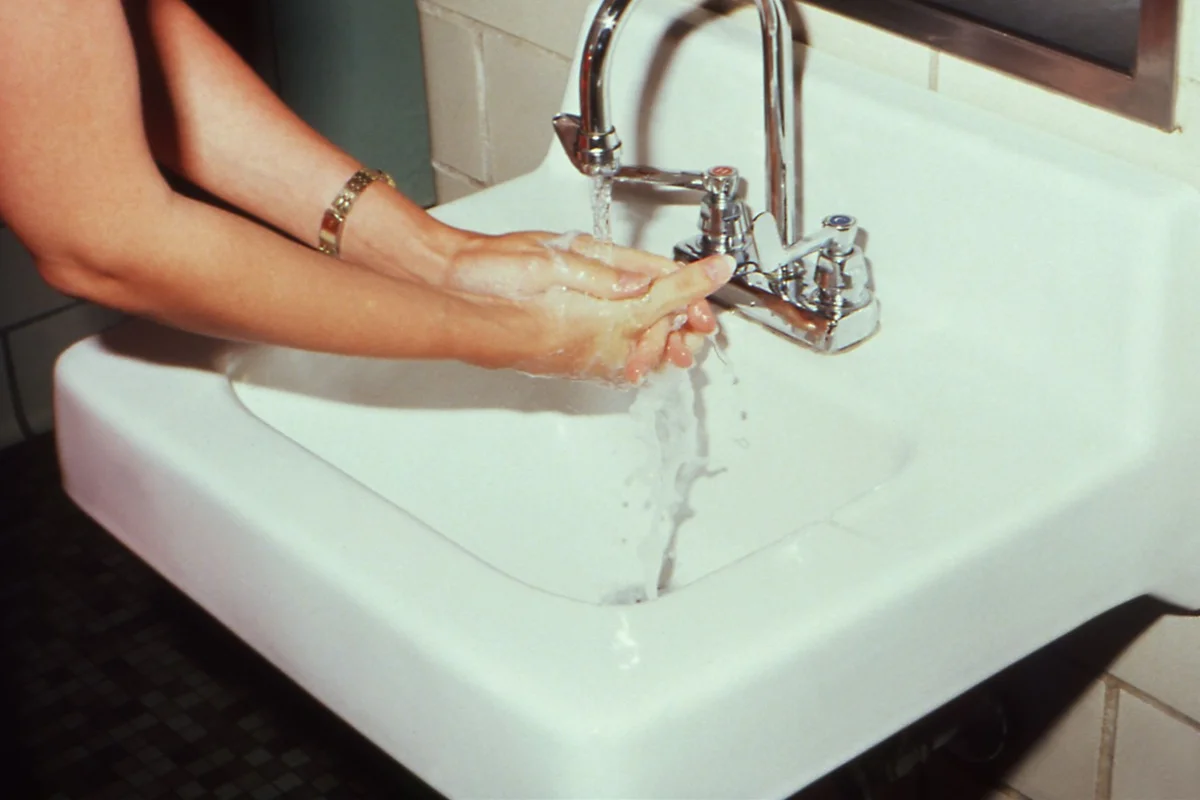
- Wash hands with soap before eating, after using the toilet, and after playing.
- Keep the child's nails short, and break the habit of thumb-sucking and nail-biting.
- Eat thoroughly cooked food and drink boiled water; wash raw vegetables and fruit carefully.
- Have the child wear sandals; do not play in dirty soil and sand.
- Wash bedding, clothing, and underwear in hot water and dry them in the sun.
- Clean the home and toys regularly.
When should you take your child to be examined?
Parents should take their child to be examined when the child has severe abdominal pain, vomits worms, has a distended abdomen, bloody stools, weight loss, pale skin, or still has anal itching even after deworming. Parents can bring their child in directly for an examination during opening hours at Ky Hoa Medical Center, 266A - 268 3 Thang 2 Street, Hoa Hung Ward, Ho Chi Minh City, or call hotline 028.3868.1097, Zalo 082.299.3377 to ask about quieter times.