

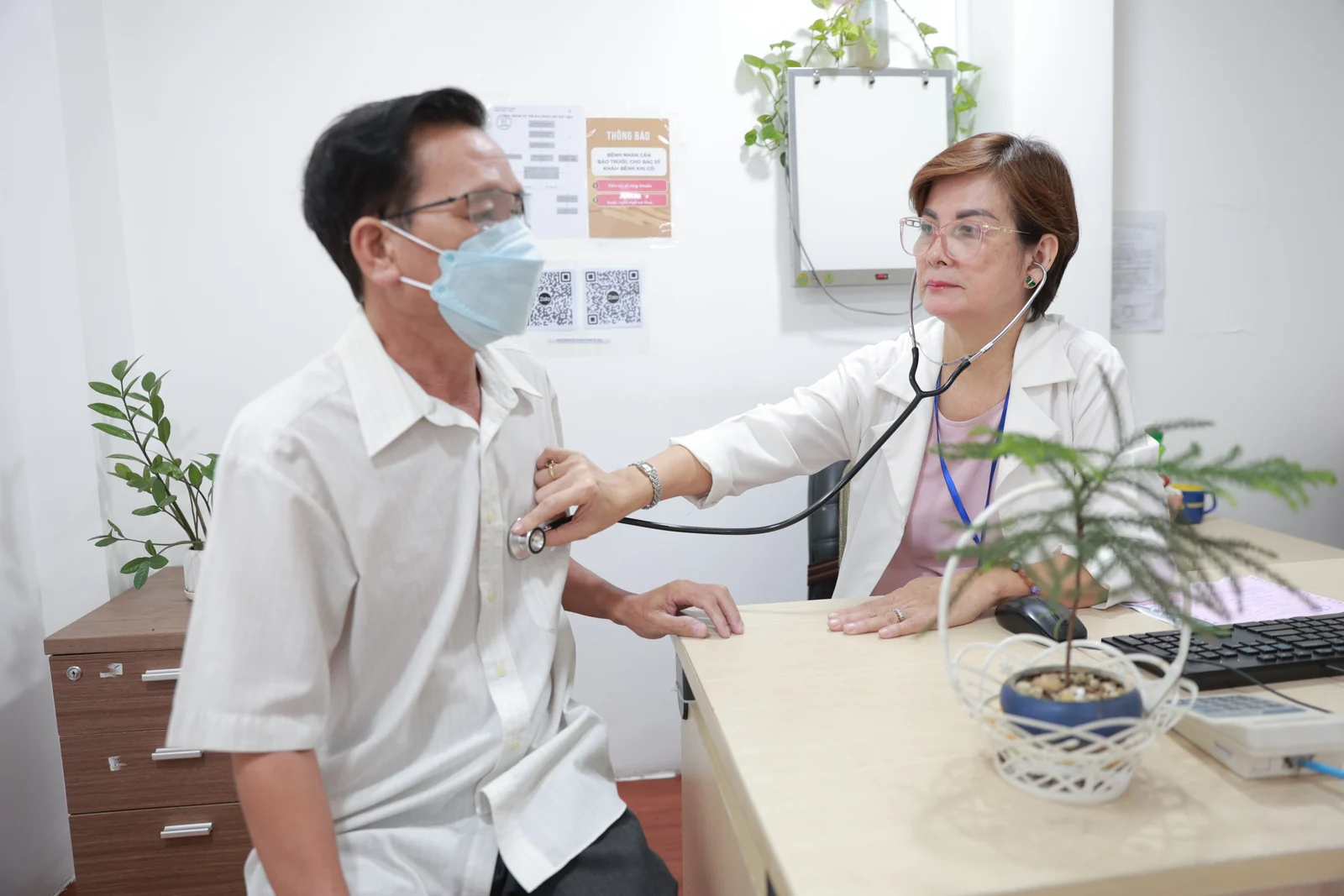
Eating less salt but blood pressure still not under control? The cause may be hidden sodium, sugar, drinks or cutting fat the wrong way in daily meals.
Diet is a natural way to keep blood pressure in check, yet many people who try hard to restrict their food still see no improvement in their readings. The reason is often a few habits that seem harmless, or a misunderstanding about nutrition. Here are seven points people with high blood pressure should review.
Cutting salt in cooking is not enough
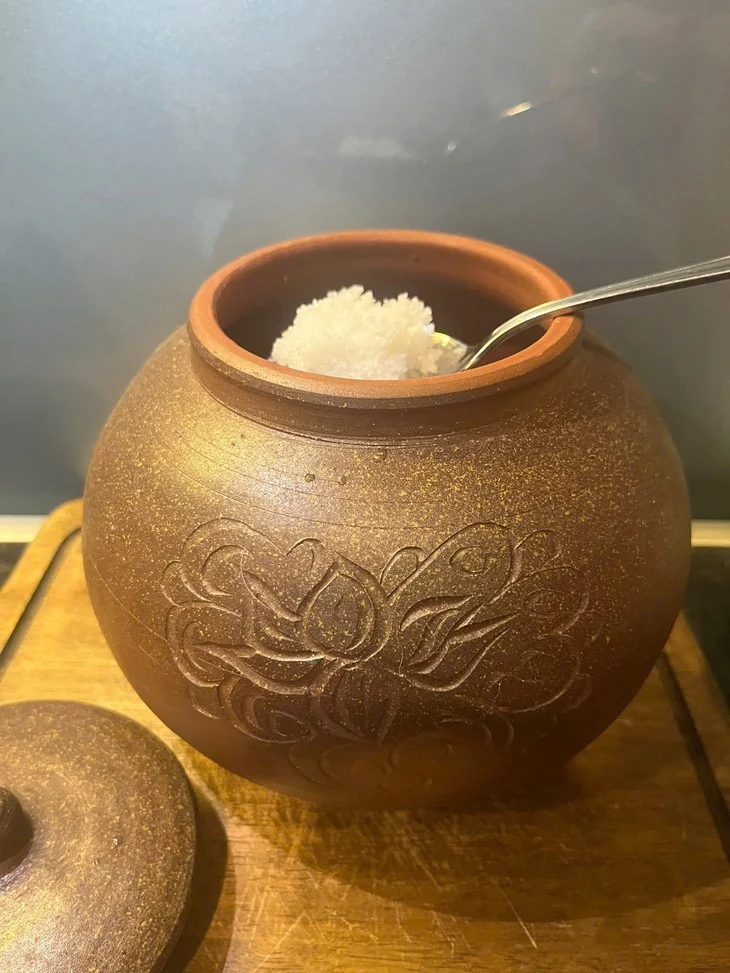
One: overlooking hidden sodium. Sodium is the main component of table salt. The body needs sodium, but too much raises blood pressure. Many people season lightly when cooking but do not realize that most sodium is already in ready-made foods, fast food, dipping sauces, sandwiches and cold cuts. So cut back on packaged foods and choose fresh, whole foods as much as possible.
Two: eating a lot of added sugar. Refined sugar and high-fructose corn syrup, two sweeteners common in processed foods, also push blood pressure up. Several meta-analyses have found that the more added sugar people eat, the higher their risk of high blood pressure. Fresh fruit contains natural sugar, whereas the refined sugar in sweets, soft drinks and canned foods can easily disrupt metabolism, cause chronic inflammation and make blood vessels constrict.
Fats and minerals: do not cut the wrong things
Three: cutting out fat completely. What you need to do is tell apart which fats to reduce and which to use:
- Reduce: saturated fats and trans fats in fried foods, fast food, red meat, cold cuts and animal fat. They raise bad cholesterol, cause hardening of the arteries and push blood pressure even higher.
- Use: monounsaturated and polyunsaturated fats in avocados, olive oil, oily fish and nuts. This group protects the vessel walls, keeps blood vessels elastic and helps stabilize blood pressure.
Four: forgetting helpful minerals. Sodium needs to be limited, but potassium, magnesium and calcium help lower blood pressure. Potassium helps the kidneys flush sodium out in the urine and relaxes the vessel walls. Magnesium helps keep muscles and blood vessels working smoothly. Calcium is needed for the heart muscle to contract and for the smooth muscle in vessel walls to tighten and relax. These three minerals are found in vegetables, fruit, milk, lean protein, whole grains and nuts.
Nutrition labels and fiber
Five: not reading food labels. People with high blood pressure are usually advised to keep sodium at 2.3 g a day or less; in some cases the doctor asks them to cut it to 1.5 g. Checking the nutrition panel on the package is a simple way to keep track. A serving is considered low in sodium when it has 0.14 g of sodium or less, or a percent daily value (% DV) of no more than 5%. Products listing 20% DV or more are very salty and should be avoided.
Six: not eating enough fiber. Soluble fiber, found in oats, beans, green vegetables and fruit, indirectly helps lower blood pressure. In the gut, it forms a gel that slows the absorption of sugar and cholesterol, feeds the gut microbiome and helps with weight control, so the heart does not have to work as hard. Men with high blood pressure should eat about 38 g of fiber a day, and women about 28 g.
Watch what you drink, too
Seven: underestimating drinks. Many people are very careful with food but take in harmful substances through what they drink:
- Fizzy soft drinks, energy drinks and sports drinks raise uric acid, make the body hold on to excess sodium and push blood pressure up.
- Alcohol makes blood pressure swing up and down: it may drop slightly right after drinking, then shoot up a few hours later. Drinking regularly makes blood pressure hard to control and makes treatment less effective.
Doctors also advise people with high blood pressure to eat more foods rich in omega-3, be more physically active and quit smoking.
Trusted clinic for high blood pressure in Ho Chi Minh City
For nearly 20 years, Ky Hoa Medical Center has cared for the health of people in Ho Chi Minh City, bringing together highly qualified doctors who are attentive at every visit. When high blood pressure needs checking, our Internal Medicine doctors take time to listen, examine carefully and explain clearly so that you fully understand your condition, then agree together on a treatment and follow-up plan.
The center operates under Operating License No. 00449/HCM-GPHĐ, with a list of medical techniques approved by the Ho Chi Minh City Department of Health (Decision 471/QĐ-SYT), and is a primary care facility contracted with Ho Chi Minh City Social Security, accepting health insurance (BHYT) visits on Saturdays as well. The practising certificates of our 24 doctors are published on our Doctors page.
If your blood pressure is still hard to stabilize even though you are careful with your diet, you can come to Ky Hoa Medical Center, where an Internal Medicine doctor will examine you and advise on a suitable menu. Simply walk in during opening hours and take a queue number.
Ky Hoa Medical Center
Address: 266A - 268 3 Thang 2 Street, Hoa Hung Ward, Ho Chi Minh City
Opening hours: Monday to Saturday, 6:30 - 11:30 and 13:00 - 17:00 (closed on Sunday)
Hotline: 028.3868.1097
Source: Suc Khoe & Doi Song (Health & Life) newspaper