

Older adults do not need drastic changes. Keeping up eight small eating habits every day can help prevent and manage heart disease well.
Many people avoid changing their lifestyle because they think it is hard. In fact, what makes the difference is good eating habits kept up day after day. You can start by learning which foods to eat more of and which to cut back on or avoid.
Choose the right food groups
- Add vegetables and fruit. They are a rich source of vitamins, minerals and fiber yet low in calories. Like many other plant foods, vegetables and fruit contain substances that may help prevent heart disease. Eat a variety of fresh vegetables and fruit every day.
- Switch to whole grains. Brown rice, oats and brown bread are rich in fiber and nutrients and help keep blood pressure stable. Use them in place of white rice and white bread.
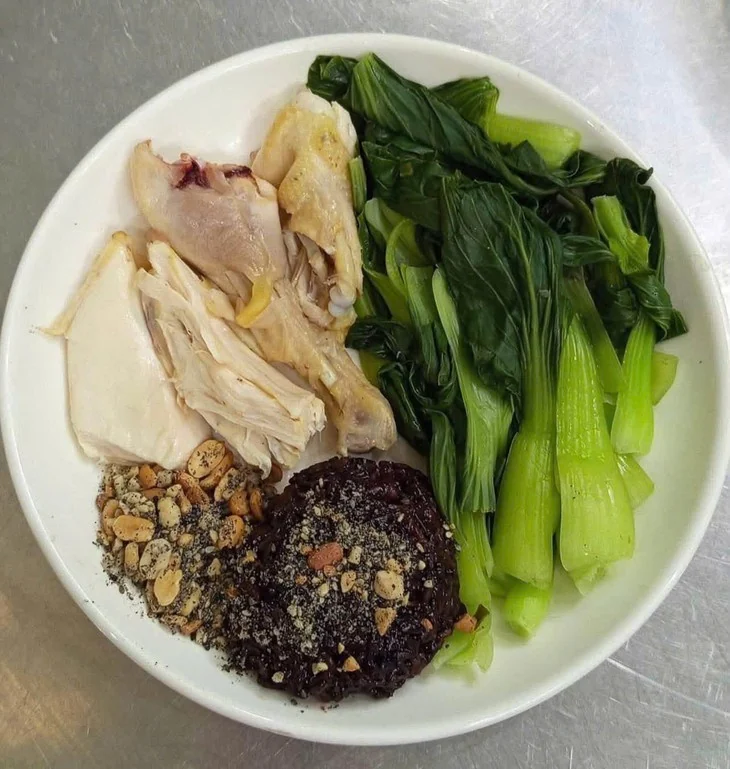
- Choose healthy protein sources. Eat more plant protein from beans and legumes such as lentils, soybeans and peas, as well as nuts. Eat fish and seafood often. For meat, choose lean cuts, remove the skin and keep cold cuts and sausages to a minimum. For milk, choose low-fat or unsweetened types.
- Use good fats. Cook with oils rich in unsaturated fats, such as olive oil, canola oil and soybean oil. Cut back on lard and butter, and on oils rich in saturated fat such as palm oil and coconut oil.
The American Heart Association recommends that saturated fat make up less than 6% of total daily calories. If you eat 2,000 calories a day, that equals roughly 11 - 13 g. Trans fats should be avoided altogether.
How to cook and eat the right way
- Eat fresh, minimally processed food. Cook at home from fresh ingredients and limit canned food and ready-made dishes.
- Less sugar, less salt. Limit sweets, cakes and bottled soft drinks. Go easy on salt and fish sauce when cooking, and eat less pickled vegetables and salty snacks. According to the same association, adults should have no more than 2.3 g of sodium a day, about 5.8 g of salt, or nearly one teaspoon. Ideally, keep it to at most 1.5 g of sodium, especially for people with high blood pressure.
- Limit alcohol. Not drinking at all is ideal. If you do drink, keep it as low as possible.
- Eat just enough. Energy needs vary with age, sex and activity level. Older adults usually burn less energy than younger people, so eat just enough to avoid gaining weight.
Balance eating with physical activity
For a healthy heart, the energy you take in needs to balance what you burn through activity. Ask your doctor how many calories you need to maintain your weight. The 2,000-calorie figure printed on food labels is only a reference; your real needs depend on your age, sex, height, weight, activity level and living environment.
Regular exercise helps you keep a healthy weight, keep the weight off after losing it, and is good for your heart. A few suggestions:
- Spend at least 150 minutes a week on light activity such as brisk walking or leisurely cycling, split into about 20 - 30 minutes a day. If your health allows, you can do 75 minutes of more vigorous activity instead.
- If it is hard to set aside time to exercise, break it up through the day: park farther away to walk a little more, and take the stairs instead of the elevator.
- Add muscle-strengthening exercises at least twice a week, either as separate sessions or by adding resistance moves to your usual routine.
Trusted clinic for blood pressure and cholesterol in older adults in Ho Chi Minh City
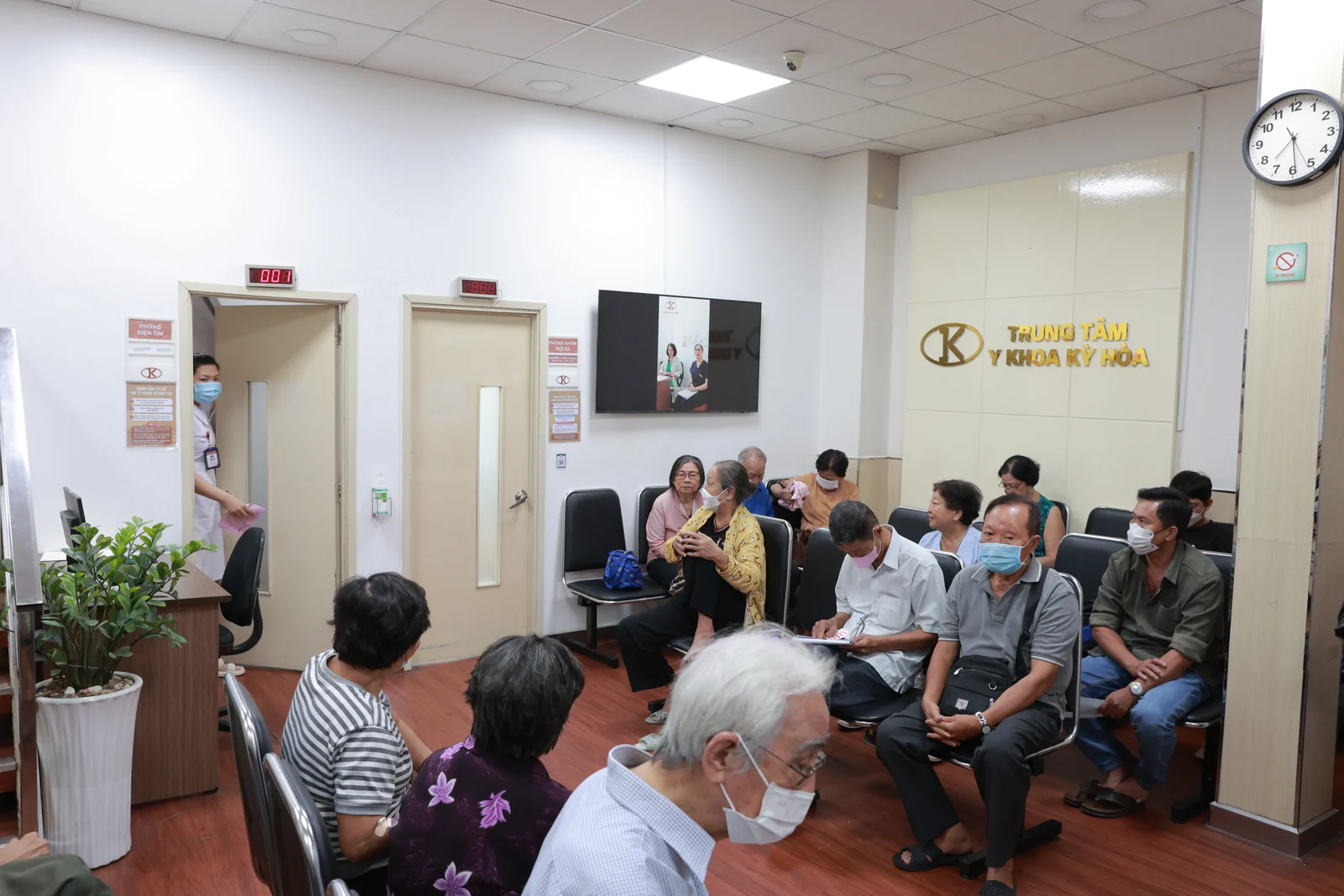
With nearly 20 years of experience and a team of highly qualified doctors, Ky Hoa Medical Center is a familiar choice for many families in Ho Chi Minh City when they need care for blood pressure and cholesterol in older adults. Here, our Internal Medicine doctors take time to listen, examine carefully and explain clearly so that you fully understand your condition, then agree together on a treatment and follow-up plan.
Laboratory tests is performed on site, so you can complete check-ups in one place, which makes follow-up visits easier.
The center operates under Operating License No. 00449/HCM-GPHĐ, with a list of medical techniques approved by the Ho Chi Minh City Department of Health (Decision 471/QĐ-SYT), and is a primary care facility contracted with Ho Chi Minh City Social Security, accepting health insurance (BHYT) visits on Saturdays as well. The practising certificates of our 24 doctors are published on our Doctors page.
Older adults who already have heart disease, high blood pressure or high blood fats should ask a doctor before making major changes to their diet and exercise. You can come to Ky Hoa Medical Center for an Internal Medicine consultation, where you will be given suitable laboratory tests and specific guidance; simply walk in during opening hours and take a queue number.
Ky Hoa Medical Center
Address: 266A - 268 3 Thang 2 Street, Hoa Hung Ward, Ho Chi Minh City
Opening hours: Monday to Saturday, 6:30 - 11:30 and 13:00 - 17:00 (closed on Sunday)
Hotline: 028.3868.1097
Source: Suc Khoe & Doi Song (Health & Life) newspaper