

Acute bronchitis is mostly viral and clears up on its own, but in older people with heart or lung disease it can turn serious. Know the warning signs.
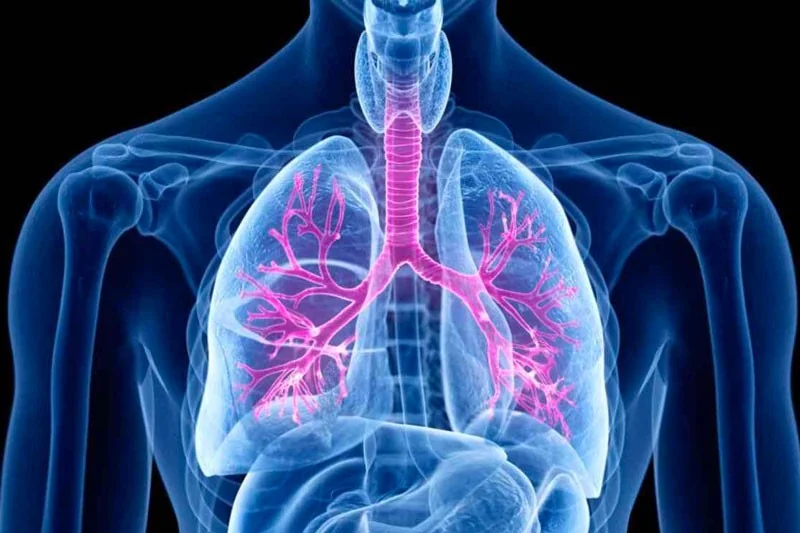
Acute bronchitis is inflammation of the lining of the bronchial tubes, usually following a respiratory infection. Anyone can get it, but in older people, immunity has weakened and the airways clear themselves less well, so the inflammation tends to last longer and lead to complications. You should be especially watchful if your grandparents have heart or lung disease.
Recognizing acute bronchitis
When the bronchial tubes are inflamed, the airways produce more mucus, which causes coughing. The cause is usually a virus (colds, flu and many other respiratory viruses), while bacteria are less common. The illness often follows a cold or flu, and cigarette smoke, dust, chemicals and polluted air can make the cough more persistent. Common signs include:
- A lingering cough, which may be worse at night or when lying down. It starts dry and later brings up phlegm.
- Coughing up phlegm, or a feeling of phlegm stuck in the throat.
- Shortness of breath, chest tightness and wheezing.
- Tiredness and sluggishness.
- Possibly mild fever, chills, headache and body aches.
Phlegm may be white, yellow or green, but its color is not enough to conclude that there is a bacterial infection. In older people the illness may also be atypical: no high fever but marked tiredness, poor appetite, fast breathing, confusion or clearly weaker walking. These signs need attention, especially in people with underlying conditions.
Why older people are more likely to become seriously ill
Old age weakens the breathing muscles and the cough reflex, making it hard to clear phlegm, so secretions tend to collect and give germs a place to multiply. People with heart failure, asthma, COPD, diabetes, conditions that weaken immunity, or a long history of smoking are even more likely to become seriously ill. It is also worth knowing that the symptoms are easily confused with pneumonia, a COPD flare-up or heart failure, so do not diagnose yourself based only on coughing and phlegm.
Signs to see a doctor early
Take grandparents to see a doctor when the cough lasts a long time, or symptoms get worse or affect eating, sleeping and daily activities. Go to a medical facility right away if there is:
- Shortness of breath, fast breathing or a feeling of not getting enough air.
- Chest pain, especially when breathing or coughing.
- High fever, or fever lasting several days.
- Coughing up blood.
- Confusion, unusual excessive sleepiness or drowsiness.
- Bluish lips or fingertips.
- A falling reading on a home SpO2 meter (if you have one and have been shown how to use it).
- Respiratory symptoms getting worse quickly in someone with heart or lung disease.
These may be signs of pneumonia or other complications that need prompt treatment.
Care and treatment
Most viral cases improve on their own. The main things are rest, keeping warm, drinking enough fluids (unless the doctor advises limiting them) and avoiding cigarette smoke and other airway irritants. Medicines to relieve symptoms should be chosen by a doctor to suit each person, because older people often take many medicines and are prone to interactions.
Do not buy medicine on your own. The illness is mainly caused by viruses, and many medicines that people commonly buy for themselves do not act on viruses; unnecessary use can cause side effects and allergies and increase drug resistance. The doctor will decide which medicines to use based on the examination and any signs of bacterial infection.
Preventing respiratory illness in grandparents
- Wash hands often, avoid close contact with sick people, and wear a mask in crowded, smoky or dusty places.
- Avoid cigarette smoke completely.
- Get vaccinated as recommended, such as flu vaccines and other respiratory vaccines for older people and those with underlying conditions.
- Eat a nutritious diet, stay active within your limits, sleep well and keep chronic conditions well controlled.
Trusted clinic for acute bronchitis in Ho Chi Minh City
Ky Hoa Medical Center has nearly 20 years of experience in medical care in Ho Chi Minh City, with a team of highly qualified doctors and a careful, transparent way of working. For acute bronchitis, our Internal Medicine doctors take time to listen, examine carefully and explain clearly so that you fully understand your condition, then agree together on a treatment and follow-up plan.
Digital X-ray is performed on site, so you can complete check-ups in one place, which makes follow-up visits easier.
The center operates under Operating License No. 00449/HCM-GPHĐ, with a list of medical techniques approved by the Ho Chi Minh City Department of Health (Decision 471/QĐ-SYT), and is a primary care facility contracted with Ho Chi Minh City Social Security, accepting health insurance (BHYT) visits on Saturdays as well. The practising certificates of our 24 doctors are published on our Doctors page.
When your grandparents have a lingering cough, or feel more tired or short of breath than usual, you can bring them to Ky Hoa Medical Center for an Internal Medicine consultation: simply walk in during opening hours and take a queue number. When needed, the doctor will order a chest X-ray or suitable laboratory tests.
Ky Hoa Medical Center
Address: 266A - 268 3 Thang 2 Street, Hoa Hung Ward, Ho Chi Minh City
Opening hours: Monday to Saturday, 6:30 - 11:30 and 13:00 - 17:00 (closed on Sunday)
Hotline: 028.3868.1097
Source: Suc Khoe & Doi Song (Health & Life) newspaper