

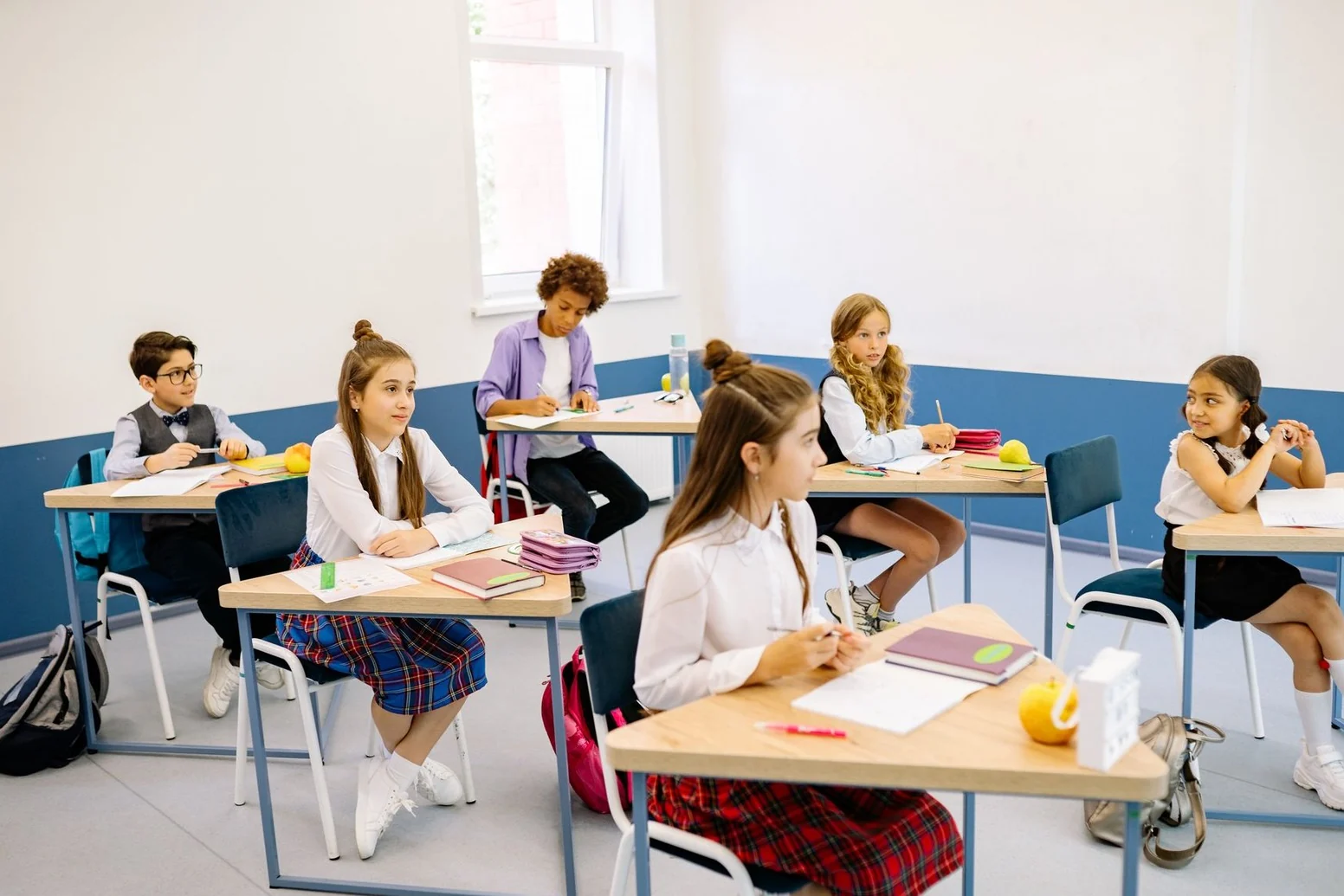
Back-to-school season brings coughs, runny noses and fevers as weather shifts and classes fill up. Learn how to prevent illness and spot serious signs early.
Why children often get respiratory infections
Many people think respiratory illness only comes in cold weather. In fact, children can still get sick when it is hot and humid, when the temperature changes suddenly or when they are in crowded places. Going back and forth between air-conditioned rooms and the muggy heat outside can easily irritate a child's airways, especially in children prone to allergies or who have had asthma or allergic rhinitis.
Children also often go swimming, go out to play, travel, and visit play areas and other crowded places, so they have many chances to come into contact with viruses and bacteria. When they return to school, crowded classrooms make it even easier for germs to spread between children.
The most common illnesses are colds, tonsillitis, nose and throat infections, pneumonia and bronchitis, along with asthma flare-ups. The younger the child, or if the child has an underlying condition and weaker defenses, the more easily the illness can become serious.
Spotting early signs
In the early stage, respiratory illnesses in children look quite similar. Parents should pay attention when their child has signs such as:
- Runny nose, stuffy nose, sneezing, coughing.
- Sore throat, hoarse voice, fever.
If the illness gets worse, the child may breathe fast, wheeze, have trouble breathing, complain of chest pain, become exhausted, or eat or feed poorly.

Take your child to a doctor right away if you notice any of the following signs:
- Difficulty breathing, or the chest wall sinking in when breathing in.
- Bluish lips, fingertips or toes.
- The child is very drowsy, cannot drink, or refuses to breastfeed or bottle-feed.
- A fever that will not go away.
Parents should not buy medicine for their child on their own before a doctor has examined them. Children should only take medicine as prescribed by a doctor.
Using air conditioning sensibly and keeping clean
Do not set the air conditioner too cold or let cold air blow directly at your child; the room temperature should be comfortable and suit the weather and the clothes your child is wearing. Air-conditioned rooms should be cleaned often, kept well ventilated and not allowed to get too dry. When taking your child from a cool room out into the sun, give them time to adjust gradually to the outdoor temperature.
Teach your child to wash their hands with soap, especially before meals, after using the toilet and after playing in public places. Try to keep your child from playing near people who are coughing, have a fever or a runny nose. When your child is sick, let them rest at home and avoid crowded places so they do not pass it on to other children.
Eating, sleeping and staying active
- Eat a varied, nutritious diet. A child's meals should include meat, fish, eggs, milk, beans, vegetables and fruit in amounts suited to their age, giving them the energy to grow and learn.
- Drink enough water. Babies under 6 months who are exclusively breastfed usually do not need extra water if they are feeding well, unless a health worker advises it. Older children need to drink water regularly, especially in hot weather or when running around a lot. Do not give soft drinks, energy drinks or sugary drinks in place of plain water.
- Get enough sleep. Sleep helps children develop physically and mentally and keeps their resistance up. Each age group needs a different amount of sleep, so parents should set bedtimes that suit their child rather than applying one fixed rule.
- Play outdoors. Encourage your child to play outside during cooler hours, avoid the harshest sun, and give them water and rest when they are tired.
- Get all recommended vaccinations. This is an important way to prevent many infectious diseases. Parents should keep track of the vaccination record and make sure their child receives all the vaccine doses recommended by the health authorities.
For children with a chronic respiratory condition such as asthma, parents need to follow the doctor's treatment plan carefully and not stop medication on their own when the child seems better.
Trusted clinic for respiratory illnesses in children in Ho Chi Minh City
With nearly 20 years of experience and a team of highly qualified doctors, Ky Hoa Medical Center is a familiar choice for many families in Ho Chi Minh City when they need care for respiratory illnesses in children. Here, our Pediatrics and ENT specialists take time to listen, examine carefully and explain clearly so that you fully understand your child's condition, then agree together on a care and follow-up plan.
The center operates under Operating License No. 00449/HCM-GPHĐ, with a list of medical techniques approved by the Ho Chi Minh City Department of Health (Decision 471/QĐ-SYT), and is a primary care facility contracted with Ho Chi Minh City Social Security, accepting health insurance (BHYT) visits on Saturdays as well. The practising certificates of our 24 doctors are published on our Doctors page.
When your child has unusual breathing symptoms or is not getting better after a few days, you can bring them to the Pediatrics or ENT (Ear, Nose & Throat) department at Ky Hoa Medical Center, where a doctor will examine them and advise on care. Simply walk in during opening hours and take a queue number.
Ky Hoa Medical Center
Address: 266A - 268 3 Thang 2 Street, Hoa Hung Ward, Ho Chi Minh City
Opening hours: Monday to Saturday, 6:30 - 11:30 and 13:00 - 17:00 (closed on Sunday)
Hotline: 028.3868.1097
Source: Suc Khoe & Doi Song (Health & Life) newspaper