

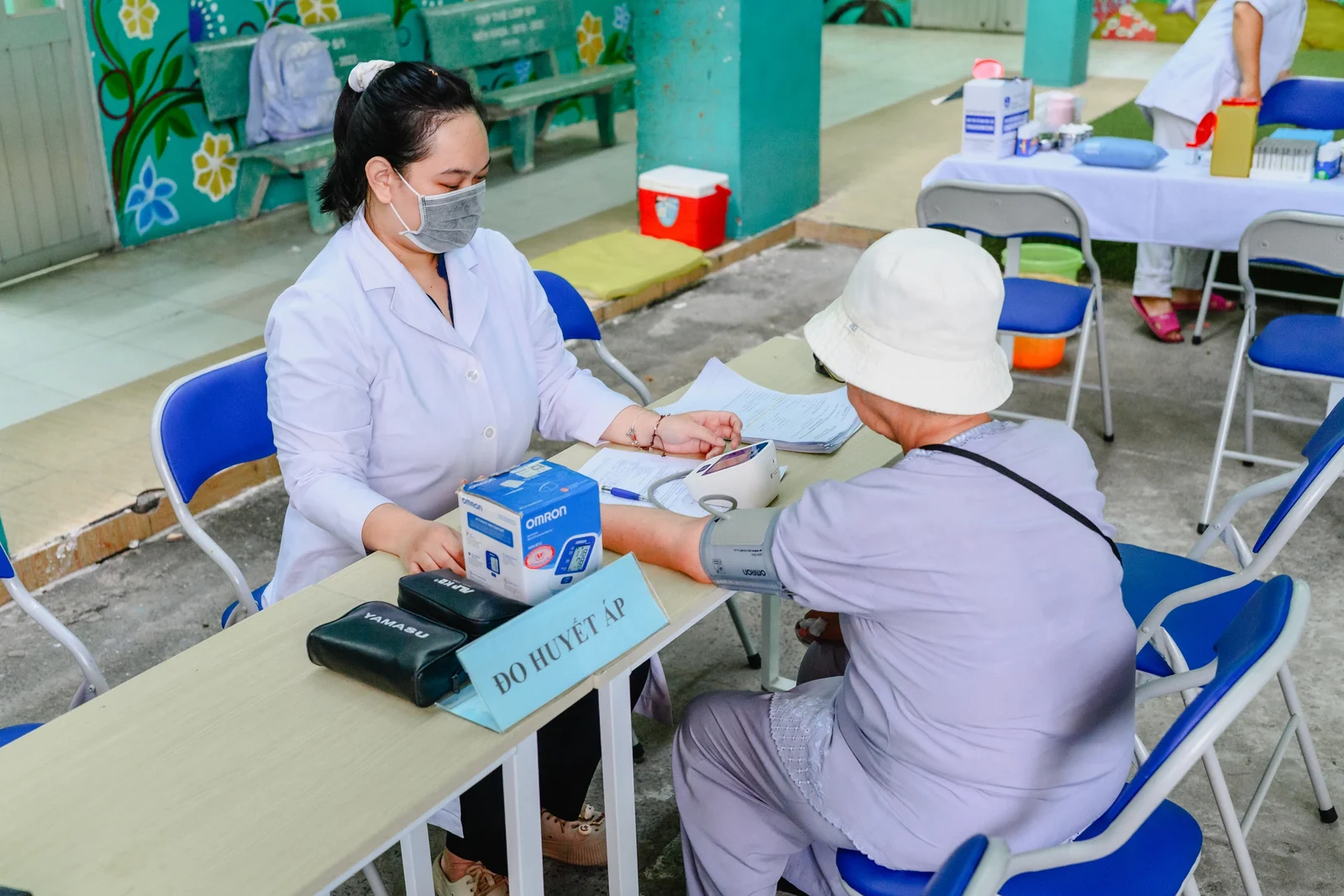
High blood pressure is not a given in old age, and one reading says little. Measuring correctly over several days helps the doctor assess it accurately.
Many people have become used to checking their blood pressure at home. But two misconceptions remain: that high blood pressure is normal as you get older, and that one high reading means you have hypertension. In fact, an older person's blood pressure needs to be judged over several correctly taken readings, in the context of that person's overall health.
Current thresholds for high blood pressure
Blood pressure has two numbers, systolic (the top number) and diastolic (the bottom number), measured in mmHg. According to the 2024 guidelines of the European Society of Cardiology (ESC):
- Measured at the clinic: high blood pressure is defined as 140/90 mmHg or higher.
- Measured at home: the threshold is lower, around 135/85 mmHg or higher, based on the average of several readings.
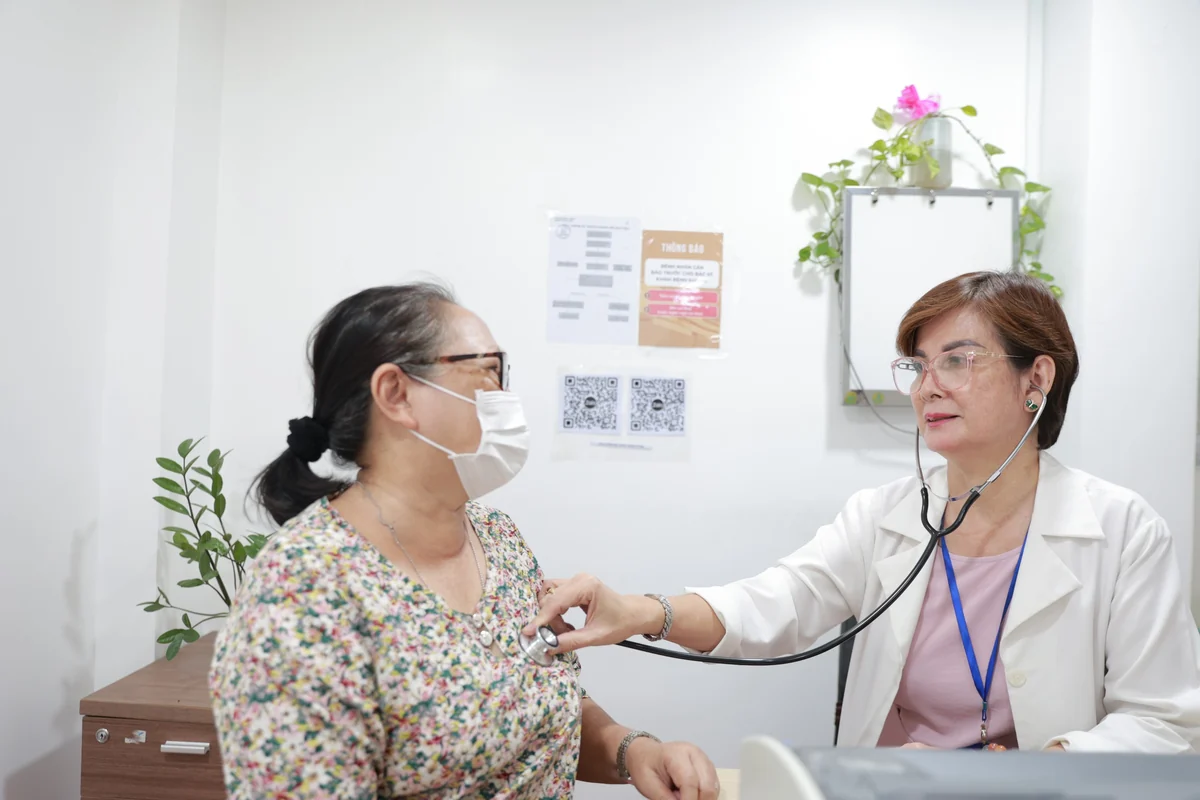
There is no single number for all older people; the target blood pressure also depends on age, physical condition, heart disease, kidney disease, diabetes, the risk of falls and, above all, whether the body tolerates the medication.
A pattern often seen in old age is isolated systolic hypertension: the top number is high but the bottom number does not rise with it, partly because the arteries stiffen over the years. On the other hand, very low blood pressure is not good news either if it comes with dizziness, lightheadedness, fainting, tiredness or falls.
Why one reading is not enough
Blood pressure rises and falls throughout the day, affected by emotions, pain, physical activity, smoking, coffee, poor sleep and many other factors. One reading of 150/90 mmHg is no reason to panic, just as one reading of 120/70 mmHg is no reason to relax. The trend over several days is more reliable.
How to measure blood pressure accurately at home
- Sit and rest quietly for at least 5 minutes; do not measure right after exercise, smoking or drinking coffee.
- Sit with your back supported, both feet flat on the floor and legs uncrossed; rest your arm on a table at heart level; do not talk while measuring.
- Use a validated electronic upper-arm monitor with a cuff that fits your arm size.
- Take 2 readings each time, about 1 minute apart, and write down both results.
- When monitoring is needed, measure twice in the morning and twice in the evening for at least 3 days, ideally 7 days. Take morning readings before eating and before taking any medicine, and evening readings before going to bed.
The doctor will use the average of these readings for the assessment.
Watch for low blood pressure on standing up
In older people, blood pressure can drop when standing up after sitting or lying down for a while, causing dizziness, lightheadedness or even fainting. For those who often feel dizzy when standing up, have fallen before or are being treated for high blood pressure, the doctor may measure blood pressure lying down or sitting, then again after standing.
When to see a doctor
- Average home readings regularly at 135/85 mmHg or higher: bring your written log of readings so the doctor can assess it. Do not increase, reduce or stop medicine on your own based on a few readings.
- Low blood pressure with dizziness, fainting, exhaustion or falls.
- Very high blood pressure with a drooping mouth, weakness or paralysis, shortness of breath, chest pain, drowsiness or a severe headache: go to the emergency room.
Trusted clinic for high blood pressure in older adults in Ho Chi Minh City
For nearly 20 years, Ky Hoa Medical Center has cared for the health of people in Ho Chi Minh City, bringing together highly qualified doctors who are attentive at every visit. When high blood pressure in older adults needs checking, our Internal Medicine doctors take time to listen, examine carefully and explain clearly so that you fully understand your condition, then agree together on a treatment and follow-up plan.
The center operates under Operating License No. 00449/HCM-GPHĐ, with a list of medical techniques approved by the Ho Chi Minh City Department of Health (Decision 471/QĐ-SYT), and is a primary care facility contracted with Ho Chi Minh City Social Security, accepting health insurance (BHYT) visits on Saturdays as well. The practising certificates of our 24 doctors are published on our Doctors page.
Blood pressure is not a fixed number. You can bring your loved one to Ky Hoa Medical Center for an Internal Medicine consultation: simply walk in during opening hours and take a queue number. Remember to bring your home blood pressure log so the doctor has more information for the assessment.
Ky Hoa Medical Center
Address: 266A - 268 3 Thang 2 Street, Hoa Hung Ward, Ho Chi Minh City
Opening hours: Monday to Saturday, 6:30 - 11:30 and 13:00 - 17:00 (closed on Sunday)
Hotline: 028.3868.1097
Source: Suc Khoe & Doi Song (Health & Life) newspaper