

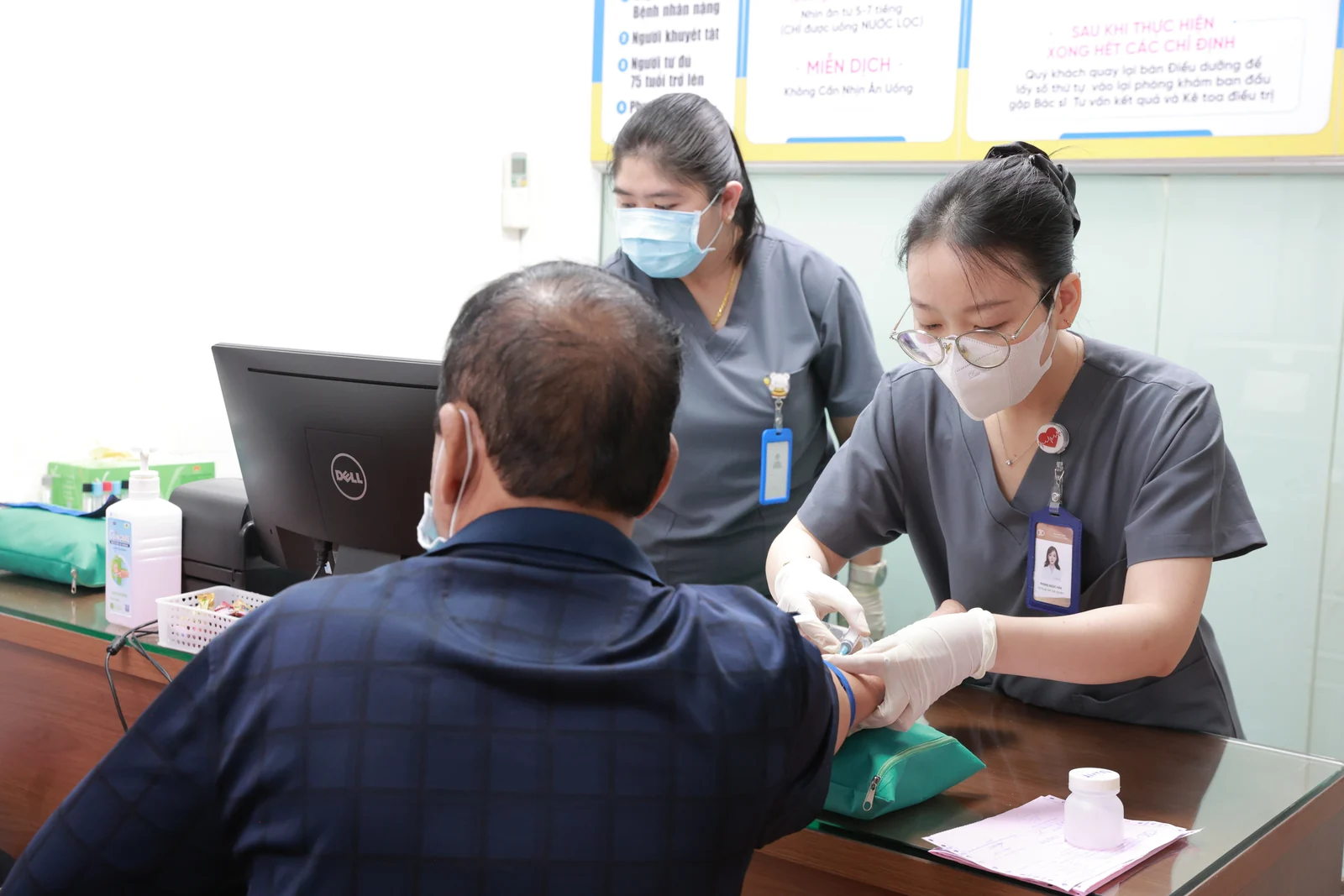
One high blood sugar reading is not enough to diagnose diabetes, but it should not be ignored. Knowing the thresholds and when to test helps catch it early.
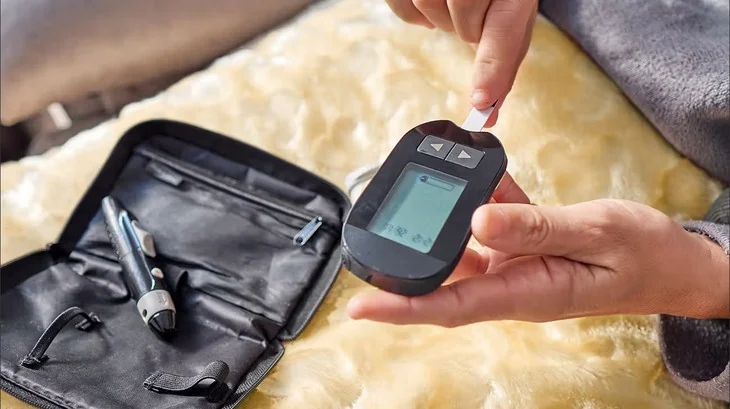
Many families now have a blood glucose meter at home, and quite a few people have heard of HbA1c, the number that reflects average blood sugar over the past 2-3 months. Even so, it is worth knowing that a single high reading does not necessarily mean disease, and not every rise in blood sugar calls for medication.
Thresholds for diagnosing diabetes
For people who are not pregnant, under current criteria, any one of the following results is enough to meet the diagnostic threshold:
- Fasting blood sugar of 7.0 mmol/L or higher.
- HbA1c of 6.5% or higher.
- A reading of 11.1 mmol/L or higher 2 hours after drinking 75 g of glucose (the glucose tolerance test).
If the person already has clear symptoms of high blood sugar or is in an acute high blood sugar crisis, a single random reading of 11.1 mmol/L or higher may also be enough for a diagnosis. When there are no symptoms, an abnormal result usually has to be repeated or confirmed with another test. So do not conclude that you have the disease after just one reading at home.
What is prediabetes
Between normal and diabetes lies a zone called prediabetes, which applies when results fall into one of these ranges:
- Fasting: 5.6-6.9 mmol/L.
- HbA1c: 5.7-6.4%.
- Glucose tolerance test: a 2-hour result of 7.8-11.0 mmol/L.
At this point it is not yet a disease, but the risk is already higher, and this is exactly the time when making changes is most worthwhile.
Signs that are easy to miss
When blood sugar is only slightly raised, it usually causes no discomfort, so the disease can exist silently for years. Only when blood sugar rises clearly does the body start sending signals:
- Frequent thirst, drinking a lot and urinating often, especially at night.
- Getting hungry quickly, tiredness, blurred vision.
- Losing weight without trying.
- Recurring infections and wounds that are slow to heal.
If you notice these signs, do not just buy a meter and check at home; get tested and find out the cause.
Who should be checked regularly
Even healthy people should get tested proactively, based on age, weight, family history and metabolic risks, rather than waiting for symptoms. Regular checks are all the more important if you:
- Are overweight, obese or not very active.
- Have a family member with diabetes.
- Have high blood pressure or a blood lipid disorder.
- Have had gestational diabetes.
Screening can be done with fasting blood sugar or HbA1c. HbA1c is convenient because no fasting is needed and it gives a longer-term picture, but it can be skewed in people with conditions that affect hemoglobin or the lifespan of red blood cells. The USPSTF, the US task force on preventive health services, recommends that people aged 35-70 who are overweight or obese be screened for both type 2 diabetes and prediabetes, using one of three methods: fasting blood sugar, a glucose tolerance test or HbA1c.
When is treatment needed
A single number does not decide treatment. Once the disease is confirmed, the doctor will make a full assessment before drawing up a plan, which usually includes diet, exercise, weight management and medication if indicated. At the prediabetes stage, many people improve noticeably by losing weight if they are overweight, being more active and adjusting their meals, which helps prevent or delay the progression to diabetes.
If blood sugar rises very high with vomiting, abdominal pain, intense thirst and very frequent urination, fast and deep breathing, sluggishness, drowsiness or dehydration, go to the emergency room right away, as this may be an acute complication. Early detection helps keep blood sugar under control before complications appear in the eyes, kidneys, nerves, heart and blood vessels.
Trusted clinic for blood sugar problems in Ho Chi Minh City
For nearly 20 years, Ky Hoa Medical Center has cared for the health of people in Ho Chi Minh City, bringing together highly qualified doctors who are attentive at every visit. When blood sugar problems needs checking, our Internal Medicine doctors take time to listen, examine carefully and explain clearly so that you fully understand your condition, then agree together on a treatment and follow-up plan.
Laboratory tests is performed on site, so you can complete check-ups in one place, which makes follow-up visits easier.
The center operates under Operating License No. 00449/HCM-GPHĐ, with a list of medical techniques approved by the Ho Chi Minh City Department of Health (Decision 471/QĐ-SYT), and is a primary care facility contracted with Ho Chi Minh City Social Security, accepting health insurance (BHYT) visits on Saturdays as well. The practising certificates of our 24 doctors are published on our Doctors page.
If you are in a risk group or have had a high blood sugar reading, you can come to Ky Hoa Medical Center for an Internal Medicine consultation: simply walk in during opening hours and take a queue number. The doctor will order suitable laboratory tests and explain the results.
Ky Hoa Medical Center
Address: 266A - 268 3 Thang 2 Street, Hoa Hung Ward, Ho Chi Minh City
Opening hours: Monday to Saturday, 6:30 - 11:30 and 13:00 - 17:00 (closed on Sunday)
Hotline: 028.3868.1097
Source: Suc Khoe & Doi Song (Health & Life) newspaper