

Pneumonia can spread when caused by viruses or certain bacteria in the airways, but not every case is contagious. Knowing how it spreads helps protect elders.
Pneumonia is an infection of the lung tissue. It can be caused by viruses, bacteria or fungi, or even by non-infectious factors, so whether it is contagious depends on the cause. It is also worth knowing that older people, with weaker resistance and often living with chronic illnesses, are both more likely to get it and more likely to become seriously ill than younger people.
When can pneumonia spread
Flu, COVID-19 and RSV are viruses that cause respiratory infections and can pass from person to person; so can some bacteria. However, being exposed to a germ does not mean you will definitely get pneumonia. Some people only get an upper respiratory infection, and others have no symptoms at all.
In old age, immunity declines over the years, the airways protect themselves less well, and many people already have heart disease, chronic lung disease or diabetes. So when someone in the household has a respiratory illness, protecting grandparents from infection needs extra attention.
Spread through droplets from coughs and sneezes
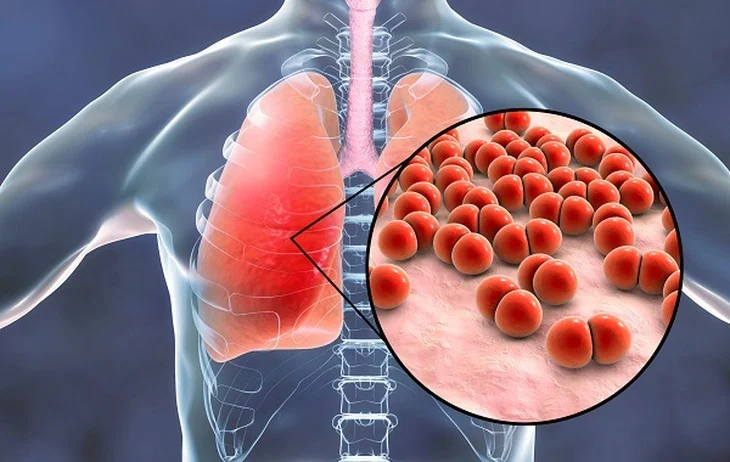
Some viruses and bacteria are carried out in droplets and respiratory secretions when a sick person coughs, sneezes, talks or is close to others. The risk of spread is higher with close contact, long periods together, or in closed, poorly ventilated rooms.
After being infected, an older person may only catch a cold or an upper respiratory infection, but it can also develop into pneumonia, depending on the germ and their overall health. Grandparents with heart failure, diabetes, chronic lung disease, weakened immunity or frail health need closer protection, as a respiratory infection can easily make them seriously ill.
Spread through hands and surfaces
Some germs also spread via hands or surfaces contaminated with secretions. For example, a sick person coughs into their palm and then touches surfaces around the house; someone else touches those spots and then rubs their eyes, nose or mouth, giving the germs a way into the body. Even so, how important this route is depends on the type of virus or bacteria. You should not assume that every case of pneumonia spreads through objects.
How to protect grandparents at home
- Avoid being close to anyone with a cough, fever, sneezing or a runny nose, especially while symptoms are still obvious.
- The sick person should cover their mouth and nose when coughing or sneezing, preferably with a tissue that is then thrown in the bin.
- Everyone in the family should wash their hands often with soap, or use hand sanitizer.
- Do not share personal items; regularly wipe down surfaces that many people touch.
- Keep the home well ventilated and avoid crowded gatherings in closed rooms.
- Get fully vaccinated as recommended. Depending on each person's age, health and individual risks, the doctor may advise on flu, pneumococcal and other suitable vaccines.
- Eat a nutritious diet, stay active within your limits, get enough sleep, keep chronic conditions well controlled and stay away from cigarette smoke.
Signs of pneumonia in older adults to watch for
Pneumonia in older people is sometimes not obvious. There may be no high fever, only unusual tiredness, poor appetite, confusion, excessive drowsiness, coughing, shortness of breath or being weaker on their feet than before. If a grandparent is short of breath, breathing fast, has chest pain or bluish lips, becomes drowsy and confused, or their health declines quickly, the family should take them to a medical facility right away.
Trusted clinic for pneumonia in older adults in Ho Chi Minh City
For nearly 20 years, Ky Hoa Medical Center has cared for the health of people in Ho Chi Minh City, bringing together highly qualified doctors who are attentive at every visit. When pneumonia in older adults needs checking, our Internal Medicine doctors take time to listen, examine carefully and explain clearly so that you fully understand your condition, then agree together on a treatment and follow-up plan.
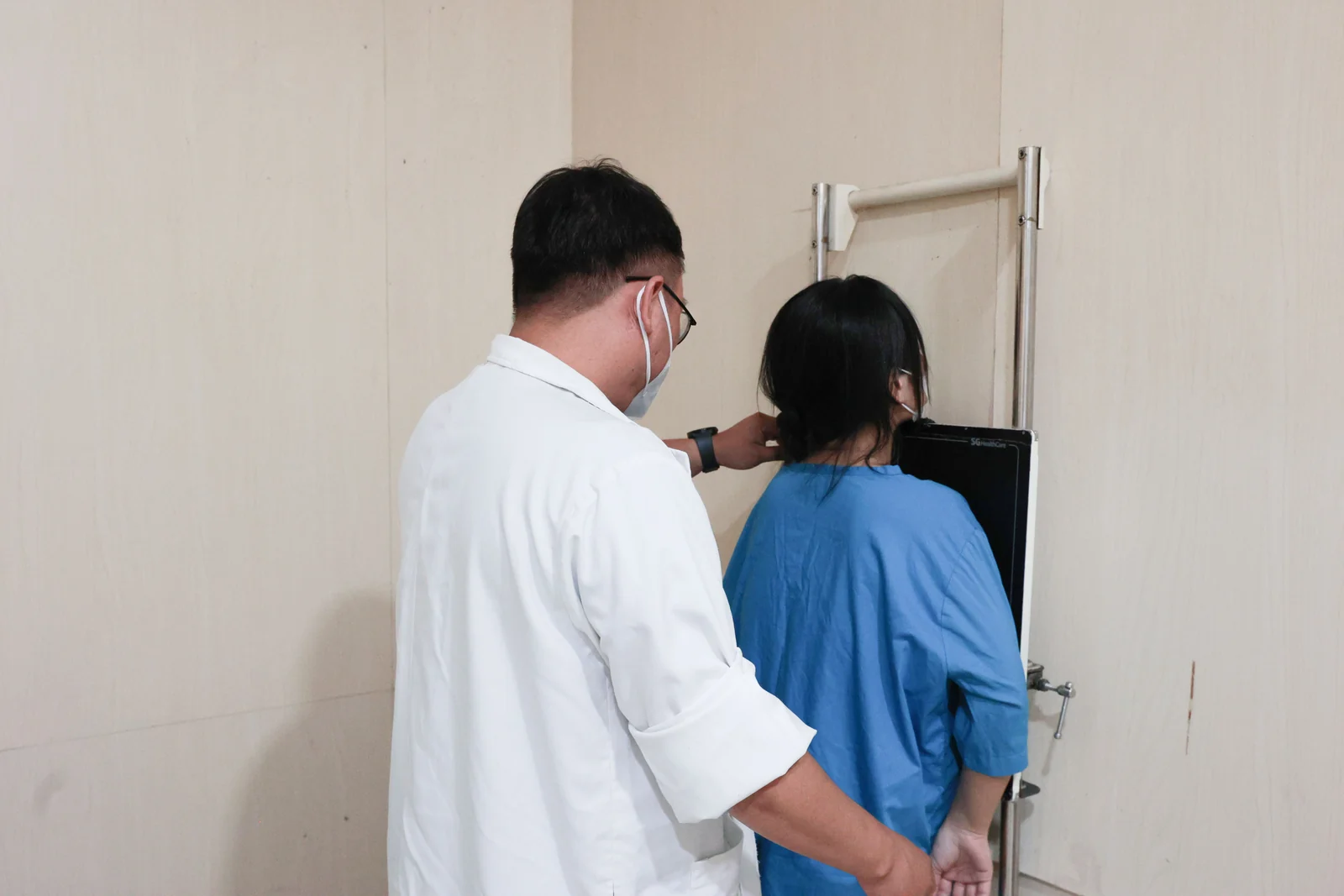
Digital X-ray and laboratory tests are performed on site, so you can complete check-ups in one place, which makes follow-up visits easier.
The center operates under Operating License No. 00449/HCM-GPHĐ, with a list of medical techniques approved by the Ho Chi Minh City Department of Health (Decision 471/QĐ-SYT), and is a primary care facility contracted with Ho Chi Minh City Social Security, accepting health insurance (BHYT) visits on Saturdays as well. The practising certificates of our 24 doctors are published on our Doctors page.
When an older family member has a lingering cough, tiredness or poor appetite, you can bring them to Ky Hoa Medical Center for an Internal Medicine consultation: simply walk in during opening hours and take a queue number. When needed, the doctor will order a chest X-ray or suitable laboratory tests.
Ky Hoa Medical Center
Address: 266A - 268 3 Thang 2 Street, Hoa Hung Ward, Ho Chi Minh City
Opening hours: Monday to Saturday, 6:30 - 11:30 and 13:00 - 17:00 (closed on Sunday)
Hotline: 028.3868.1097
Source: Suc Khoe & Doi Song (Health & Life) newspaper