

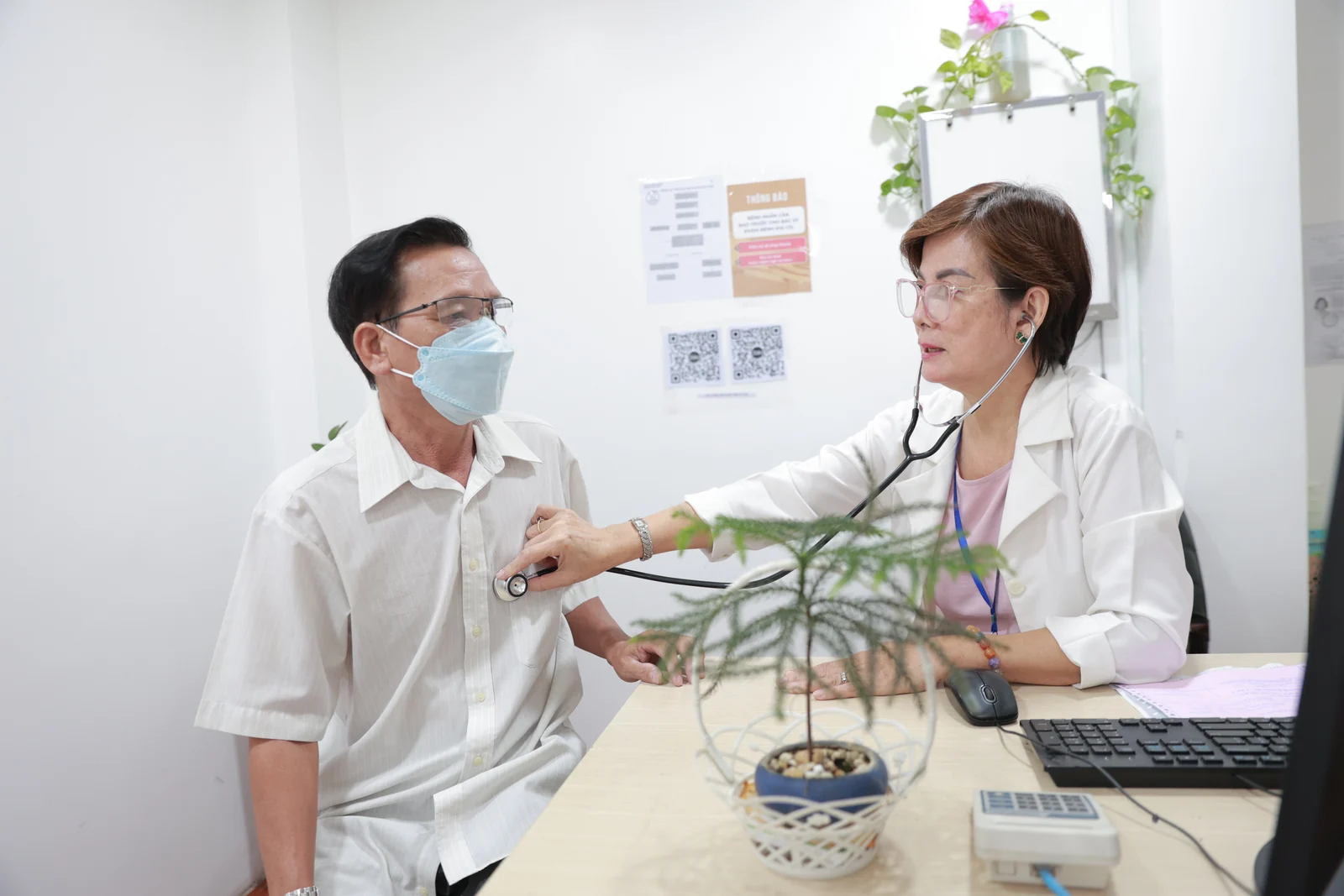
As seasons change and temperature and humidity swing, older people are prone to breathing, heart and joint problems. Prevent early and watch for unusual signs.
As people age, their resistance declines and their ability to regulate body temperature weakens. On top of that, many are living with heart disease, COPD (chronic obstructive pulmonary disease), diabetes or high blood pressure, so the body is easily affected whenever the weather changes. It is all the more important to keep an eye on the health of grandparents and parents during these days.
Common respiratory illnesses
Sudden changes in the weather help respiratory viruses and bacteria multiply and spread. Older people are prone to:
- Seasonal flu, colds and acute nose and throat infections.
- Community-acquired pneumonia and bronchitis.
- Flare-ups (exacerbations) in people with COPD.
Familiar symptoms are cough, sore throat, a blocked or runny nose, fever, headache, tiredness and shortness of breath. However, in older people the illness often shows only faint signs: pneumonia without a high fever, just severe tiredness, poor appetite, confusion or drowsiness. As a result, families may easily mistake it for the tiredness of old age. If detected late, the illness can become serious, causing respiratory failure or a blood infection (sepsis), or worsening existing conditions.
People with COPD, asthma or heart disease should pay attention if they cough more, produce more phlegm or notice it changing color, become more short of breath, or tire quickly with exertion.
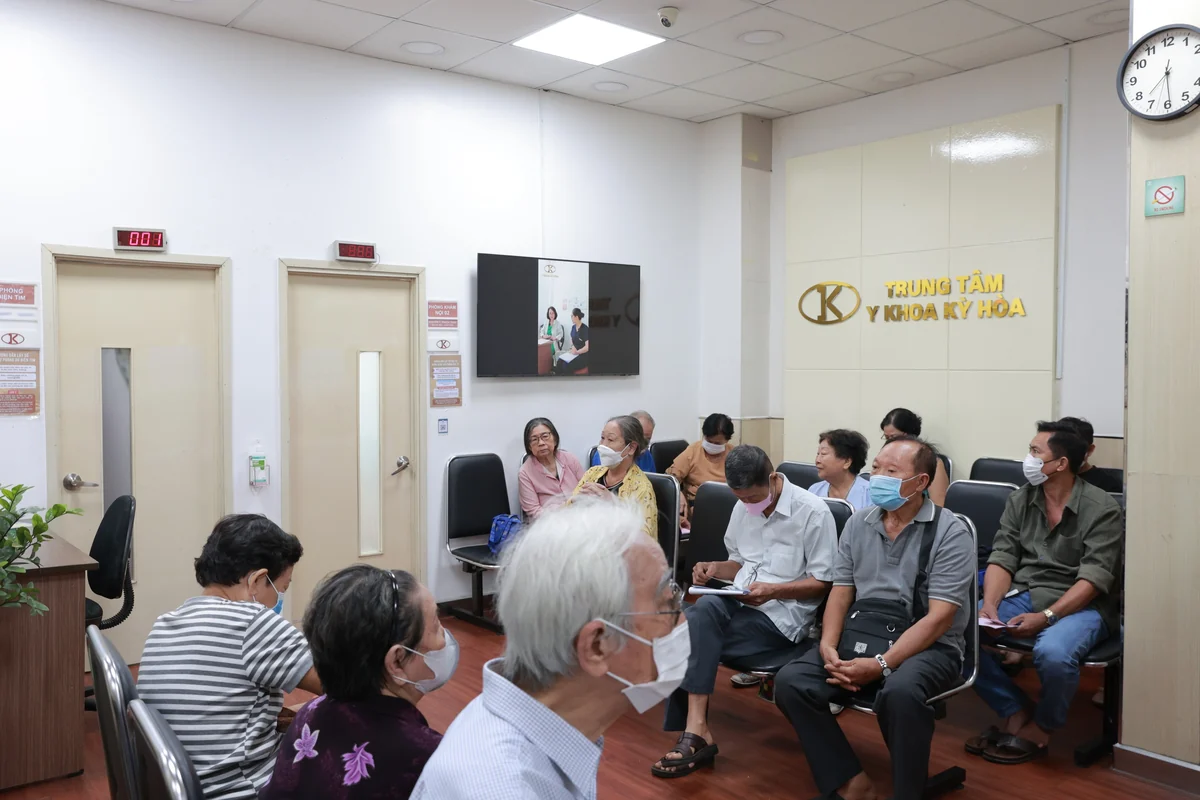
Heart conditions can worsen when it turns cold
Cold weather makes blood vessels constrict, blood pressure may rise and the heart has to work harder. People with heart failure, coronary artery disease, heart rhythm disorders or high blood pressure may notice their symptoms more when the temperature changes suddenly. So it is advisable to:
- Check blood pressure regularly and take medicine as prescribed.
- Avoid changing temperature too quickly, for example stepping straight from an air-conditioned room into the hot sun or the other way round.
- Go to a medical facility immediately if you have chest pain or tightness, shortness of breath, sweating, lightheadedness, weakness in the arms or legs, or difficulty speaking.
More bone and joint aches
Many grandparents find their joints ache more at the change of seasons, especially those with osteoporosis, arthritis or osteoarthritis. Changes in temperature and humidity make joints stiff, tired and hard to move. At such times, do not rely only on medicine for pain relief or take extra medicine on your own when the pain gets worse. Gentle exercise, keeping warm, maintaining a healthy weight and following the doctor's treatment will help limit the symptoms.
Preventing illness as the seasons change
- Keep the body warm and avoid sudden temperature changes, especially when using air conditioning.
- Keep the home airy and clean, and avoid cigarette smoke, dust and other airway irritants.
- Get enough energy, protein, vitamins and minerals; drink enough water, sleep well and stay active within your limits.
- Get vaccinated as recommended, especially against flu and pneumococcus for those in the recommended groups, to help reduce the chance of respiratory illness and its complications.
- People with chronic conditions should take their medicines regularly, return for follow-up on the dates the doctor advises, and not stop medicine on their own when they feel well.
Trusted clinic for seasonal illnesses in older adults in Ho Chi Minh City
With nearly 20 years of experience and a team of highly qualified doctors, Ky Hoa Medical Center is a familiar choice for many families in Ho Chi Minh City when they need care for seasonal illnesses in older adults. Here, our Internal Medicine doctors take time to listen, examine carefully and explain clearly so that you fully understand your condition, then agree together on a treatment and follow-up plan.
Laboratory tests and digital X-ray are performed on site, so you can complete check-ups in one place, which makes follow-up visits easier.
The center operates under Operating License No. 00449/HCM-GPHĐ, with a list of medical techniques approved by the Ho Chi Minh City Department of Health (Decision 471/QĐ-SYT), and is a primary care facility contracted with Ho Chi Minh City Social Security, accepting health insurance (BHYT) visits on Saturdays as well. The practising certificates of our 24 doctors are published on our Doctors page.
If your grandparents are eating poorly, confused or drowsy, or have chest pain, shortness of breath, fever, a cough that will not go away, or an underlying condition that suddenly gets worse, they should see a doctor early. You can bring your loved one to Ky Hoa Medical Center for an Internal Medicine consultation: simply walk in during opening hours and take a queue number. When needed, the doctor will order an X-ray or suitable laboratory tests.
Ky Hoa Medical Center
Address: 266A - 268 3 Thang 2 Street, Hoa Hung Ward, Ho Chi Minh City
Opening hours: Monday to Saturday, 6:30 - 11:30 and 13:00 - 17:00 (closed on Sunday)
Hotline: 028.3868.1097
Source: Suc Khoe & Doi Song (Health & Life) newspaper